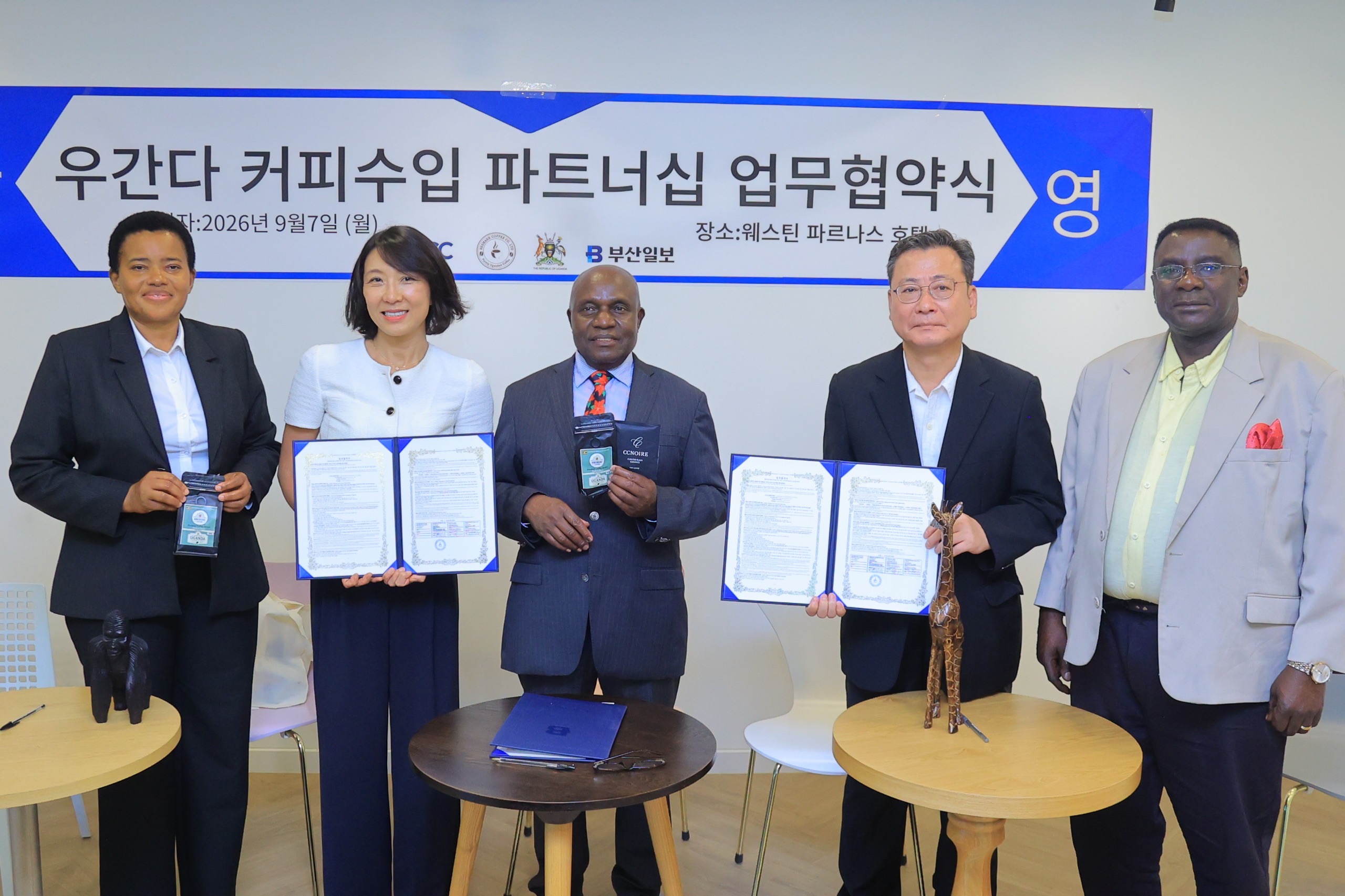
BUSAN, South Korea — Uganda has signed an agreement to supply coffee to a South Korean company, with a first shipment already on its way to the Asian market.
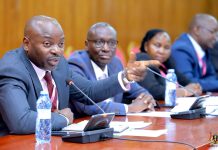
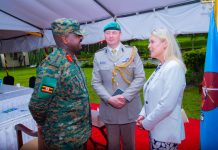
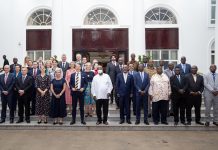
The memorandum of understanding was signed on Monday 7 September with GVCC Co. Ltd, a coffee firm in the southern port city of Busan, on the sidelines of the Uganda–Korea Trade and Investment Meeting. Uganda’s ambassador to Japan, Tophace Kaahwa, whose mission is accredited to South Korea, said the main bilateral session was due the following day, 8 September.
Under the deal, Besmark Coffee Company Ltd will serve as Uganda’s exclusive supply partner and GVCC as the exclusive distributor in South Korea. A first consignment of two containers is already being shipped, the Ugandan delegation said.
The partners say they aim to build a supply chain that uses Busan as a regional hub to process, add value to and re-export Ugandan coffee across Asia, including to Japan and Southeast Asia. Import volumes and pricing will be set under separate commercial agreements, officials said.
The agreement also includes a promotional tie-up with the Busan daily The Busan media, which is to run coverage and host events to raise the profile of Ugandan coffee.
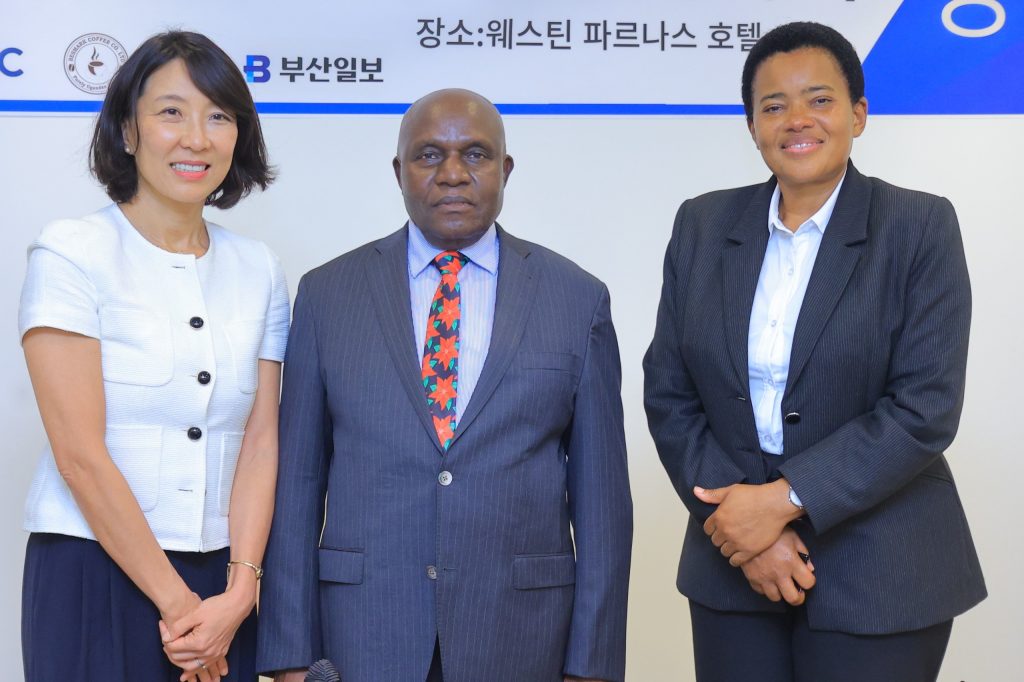
GVCC chief executive Soo-jung Lim said the company was ready to do business with Uganda and had taken a strong interest in its coffee after initial talks with the Ugandan delegation at a coffee exhibition in Busan. Ambassador Kaahwa said Lim was targeting imports of one 20-tonne container a day — about 3,500 tonnes a year and appealed to Ugandan farmers to expand production to help meet that goal.
The deal was coordinated by Uganda’s embassy in Tokyo and is being presented as an early result of the country’s Economic and Commercial Diplomacy (ECD) strategy. Launched in 2025, the strategy encourages missions to promote value-added goods rather than raw commodities, according to the Ministry of Foreign Affairs. It is tied to Uganda’s goal of growing its economy to $500bn by 2040.
Uganda’s Second Deputy Prime Minister, Dr Crispus Kiyonga, who led the delegation, thanked GVCC for its interest and assured it of a sustained supply.
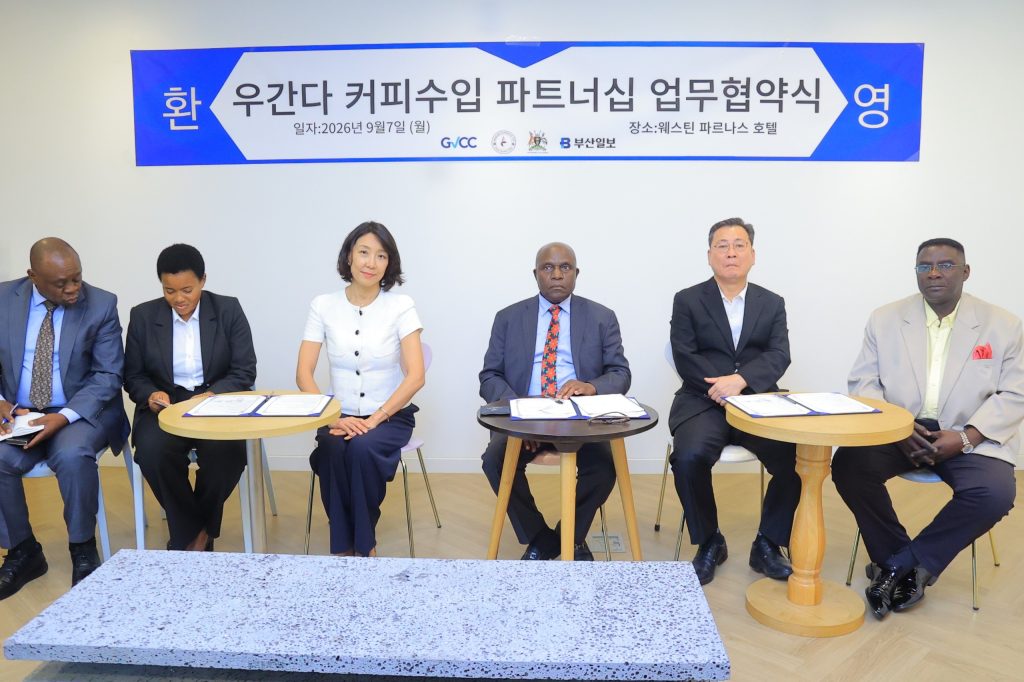
Dr Kiyonga said Uganda wanted, in time, to add value to its coffee at home rather than ship raw beans, and was looking to expand in Asia, with Japan and other markets in its sights. He said President Yoweri Museveni had set a national target of 20 million bags a year, up from current levels, and that the government would give the partnership whatever support it needed. Uganda grows two main varieties, Arabica and Robusta.
Dr Kiyonga said Ugandan coffee was produced by smallholders on plots of two to three acres, without chemicals, which he said made it effectively organic and good for health.
He also said Uganda exported about $10m worth of goods to South Korea while importing about $100m, and wanted to balance the trade. Official data put Uganda’s total exports to South Korea at about $7.18m in 2023, of which coffee, tea and spices accounted for about $2.6m.
Ambassador Henry Mayega called the deal a significant step for coffee exports, noting that coffee features in Ugandan custom, including marriage and bride-price rites.
Uganda is Africa’s largest coffee exporter, having overtaken Ethiopia in 2025, and is among the world’s biggest suppliers of Robusta. By volume it ranks around sixth to eighth globally, behind Brazil and Vietnam. In the 12 months to May 2026 it exported 8.6 million 60kg bags worth about $2.3bn (UGX 8.3tn), up from 7.4 million bags a year earlier, according to the Ministry of Agriculture, Animal Industry and Fisheries.
Robusta makes up about 80% of exports, while Arabica is smaller but growing faster in value. In the 2024/25 coffee year, Europe took about 62% of Uganda’s exports, Africa 23% and Asia 13%, the ministry said. Coffee accounts for more than a fifth of Uganda’s export earnings and supports millions of smallholder households.
Exports to South Korea remain small. South Korea, a market of about 51.6 million people,Uganda has no resident embassy in Seoul; its Tokyo mission is accredited to South Korea. The Korea International Trade Association, a co-organiser of the meeting, has urged Kampala to open one.