The Government is set to commence implementation of the second phase of the Development Response to Displacement Impacts Project (DRDIP II) in October 2026, with the five-year programme targeting about three million refugees and members of host communities.
The $328 million programme will be implemented in 14 refugee-hosting districts and will focus on addressing the long-term social, economic and environmental impacts of forced displacement.
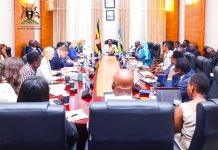
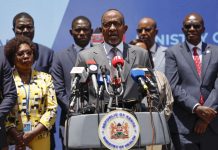
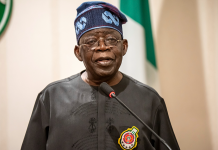
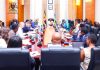
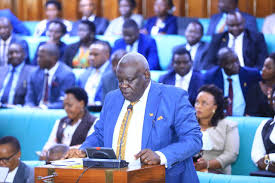
Minister for Disaster Preparedness and Refugees, Hon. Sam Engola, announced the plans while appearing before the Committee on Presidential Affairs on Tuesday, September 15, 2026.
Engola said DRDIP II will support investments in social and economic services, infrastructure, livelihoods, economic opportunities, environmental management and community resilience.
He called on Members of Parliament to support the programme through oversight, advocacy and community mobilisation, particularly by helping to address misinformation and encouraging communities to participate in the programme.
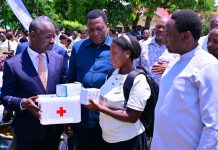
The Minister said the first phase of DRDIP recorded significant achievements in improving access to services and strengthening livelihoods, adding that the second phase would build on those experiences to promote greater self-reliance among refugees and host communities.
However, the committee raised concerns over incomplete projects under DRDIP I, with committee chairperson Hon. Martin Mapenduzi Ojara asking the ministry to account for projects that remain unfinished before moving ahead with the new phase.
“There is nowhere in your presentation where you mention when you will finish the incomplete projects, yet you are already proceeding to Phase II,” Ojara said.
He asked the ministry to provide a detailed report on all unfinished DRDIP I projects, including their implementation costs.
Amuru District Woman Representative Hon. Lucy Akello called for a comprehensive assessment of Phase I to establish its impact, while Hon. Ali Kasirye asked the ministry to provide a clear implementation plan and human resource structure for DRDIP II.
Ojara also urged the ministry to ensure equitable distribution of programme benefits and address challenges that affected the first phase, including delayed disbursements and weak coordination with local governments.
DRDIP II will be implemented with support from development partners, including the World Bank, across 14 refugee-hosting districts.