By Samuel Ssenono
President Museveni has welcomed the construction of the $16 billion Dangote oil refinery in Lamu, Kenya, saying East Africa needs more refineries to process its resources and create jobs.
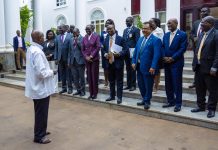
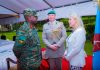
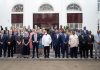
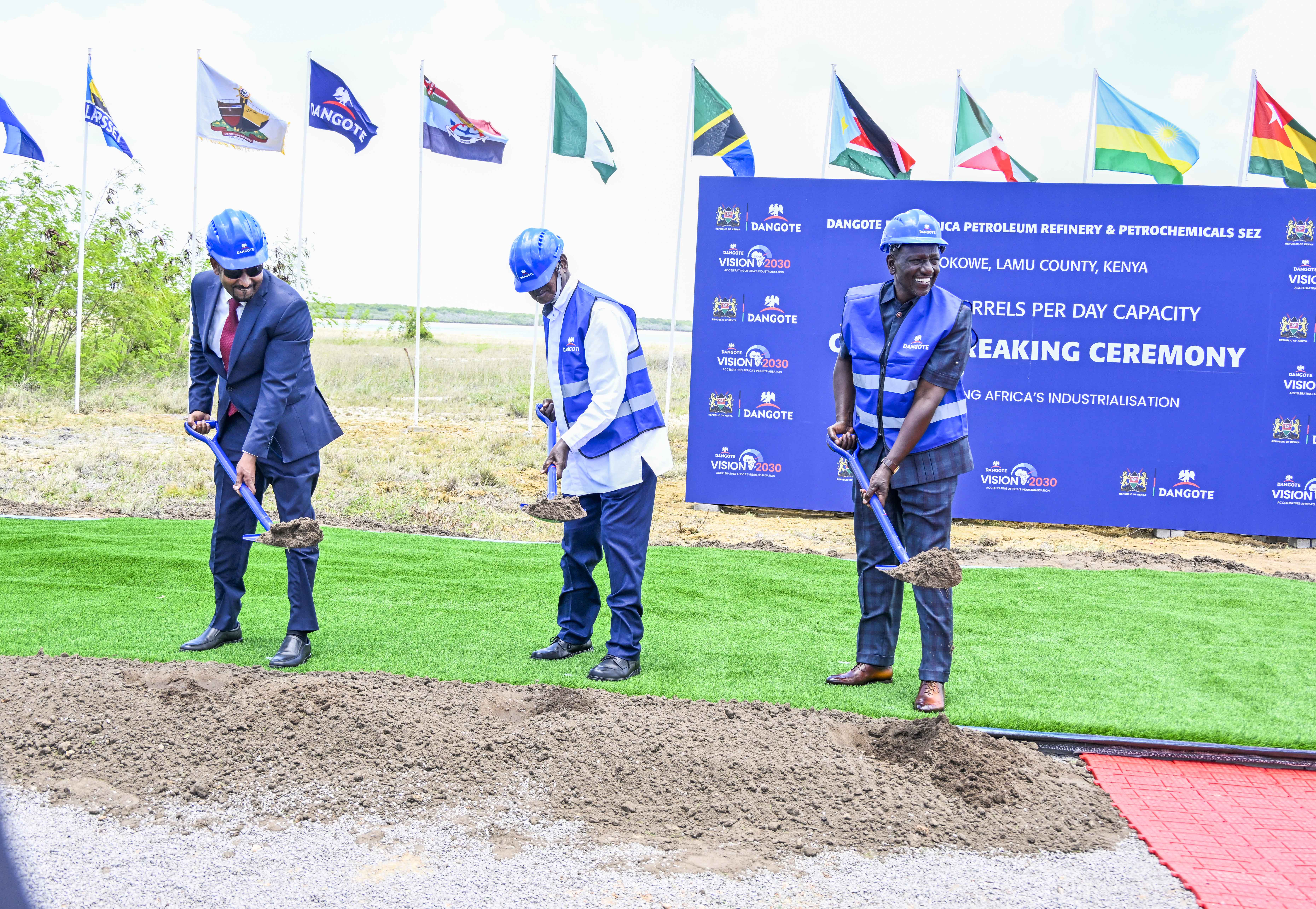
Museveni joined Kenyan President William Ruto, Ethiopian Prime Minister Abiy Ahmed, Nigerian billionaire Aliko Dangote and other African leaders at the groundbreaking ceremony in Mokowe, Lamu County.
The Dangote East Africa Petroleum Refininery is designed to process 700,000 barrels of crude oil a day, making it one of the biggest refinery projects on the continent.
For Uganda, the project comes as government pushes ahead with its own 60,000-barrel-per-day refinery at Kabaale in Hoima. The Ministry of Energy says implementation agreements have been signed with UAE-based Alpha MBM Investments for the project, which is estimated at about $4 billion.
Museveni said Uganda would maintain its refinery plans despite the much larger project taking shape in Kenya.
“We are going to build a small refinery in Uganda. We had planned this long ago. We can’t change that. The refinery will produce for Uganda and for the interior parts of Africa,” Museveni said.
He said Lamu, Hoima and another refinery previously discussed for Tanga in Tanzania could all operate within the region.
“The refinery here in Lamu can be there. The one in Tanga can be there. The one in Uganda will be there. The one in Nigeria can also be there. But I’m really happy with this one at Lamu too,” he said.
Museveni said he would first speak to Tanzanian President Samia Suluhu Hassan before Uganda considers taking a stake in the Lamu project.
“I want to discuss with Samia and His Excellency Ruto to find out what happened to that refinery in Tanga. What was the problem?” he said.
Dangote has set aside up to 30 per cent of the Lamu refinery for East African countries that want to take a stake.
“This project is for all of East Africa. We have earmarked a 30 per cent stake for countries in the region,” Dangote said.
He said the project started from discussions with Museveni and Ruto.
“This project started almost like a joke. President Ruto invited me to attend a conference in Kenya, where we had a small meeting on the sidelines with him and President Museveni. That is where we first discussed the idea of setting up a refinery in the region,” he said.
Ruto credited Museveni with pushing the idea.
“I want to thank our father, President Museveni. When we sat down with Aliko Dangote, it was your vision that brought us this far. Mzee, don’t take your vision for granted. You are the one who pushed us,” Ruto said.
The Kenyan President said the project was part of a wider push to process more of Africa’s resources on the continent.
“At the UN General Assembly, I told delegates that Africa does not come to plead. I said Africa’s resources must be the beginning of our industries, not merely Africa’s contribution to global prosperity,” Ruto said.
He also assured Dangote that Kenya would protect his investment.
“Investors are our partners in the development of our nations, not our enemies. Aliko, I know you have had a different experience in Kenya before, but I want to assure you that nobody is going to extort you in Kenya this time round,” Ruto said.
Dangote said Africa had spent too long exporting raw materials and buying back finished products.
“For too long, our continent has been rich in resources but poor in value addition. I firmly believe Africa cannot build lasting prosperity by exporting what it has and importing what it needs,” he said.
Museveni made the same case, citing coffee, cotton, gold and petroleum among resources that Africa should process locally.
“When we sell a bean of coffee, after the husking, removing the skin, you get $2 a kilo. When it is roasted, ground and packed, the one who did it gets $40,” Museveni said.
He also pointed to Dangote’s move from importing cement to manufacturing on the continent.
“Mr Dangote started as part of the bourgeoisie compradore, as Mao Zedong wrote many years ago. He was importing cement and selling it. But now Dangote belongs to the bourgeoisie nationale, producing and adding value here in Africa,” Museveni said.
Museveni also used the ceremony to renew his call for the political federation of East Africa.
“We need to look again at the political federation of East Africa. Our earlier leaders saw the need for it, and some current leaders do too. In Nigeria, oil moves freely across the country. Imagine if there were borders. East Africa must seriously consider political federation,” he said.
He argued that while regional countries could take shares in the refinery and earn returns, deeper integration was needed if East Africans were to benefit fully from jobs created by investments across national borders.
“Although the refinery is here, they will also get profit. But it does not answer the issue of jobs,” Museveni said.
Ethiopian Prime Minister Abiy Ahmed said African countries should also ensure their young people are directly involved in projects of this size.
“East Africa is not only a market; it is a place to build and create value. Young Africans should not remain observers of projects like this. They should become the engineers and contractors. That is how we build a lasting legacy,” Abiy said.
Dangote says the refinery could create about 60,000 jobs during construction, with a training school planned for 1,000 people in technical and engineering skills. He has promised to commission the refinery within 40 months.
The project is planned for Lamu Port along the LAPSSET Corridor and is expected to serve markets across East Africa. Project details presented at the ceremony say it could process crude from Kenya’s Lokichar fields and other sources in the region.
For Museveni, the Lamu project fits into a wider argument he has made for years: Africa should process more of what it produces and keep more of the jobs and money that come with it.