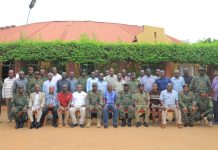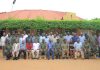
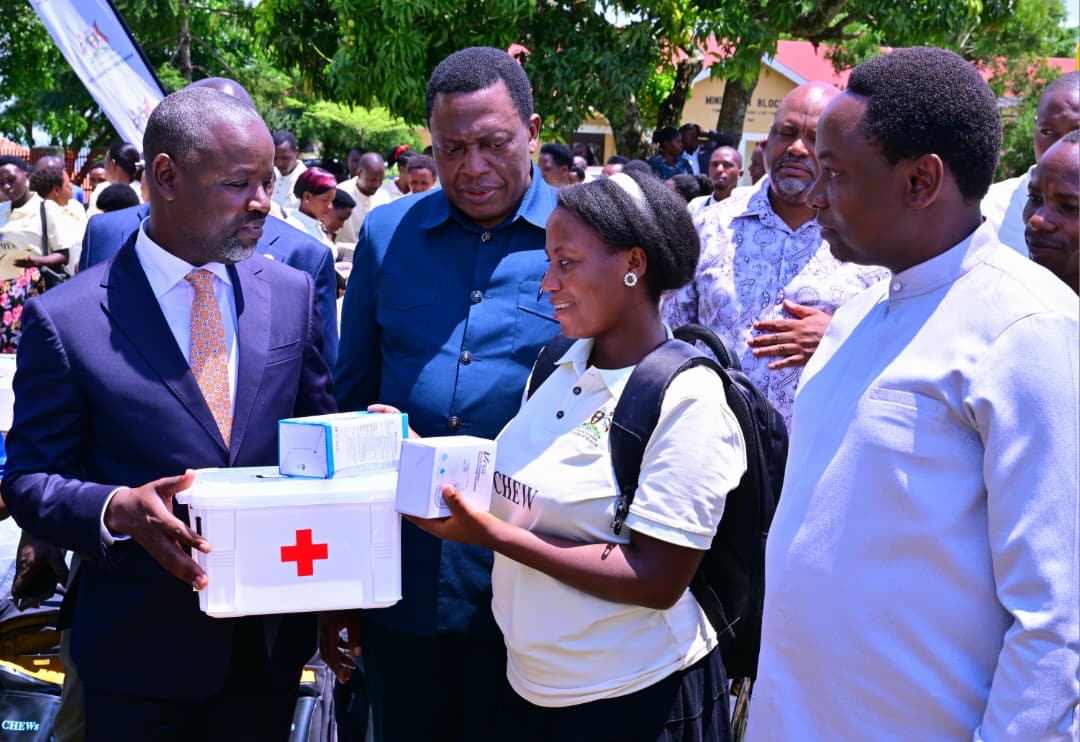
Mitooma District has deployed 155 newly trained Community Health Workers to strengthen disease prevention, health education and early referral of patients, as the district grapples with a health worker staffing level of just 22 percent.
The workers will operate within communities, helping households identify health problems early, promoting immunisation and antenatal care, and referring patients who require further medical attention.
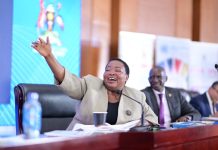
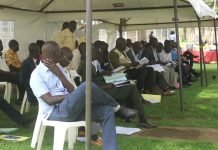
Speaking at their passing-out ceremony at Mitooma District headquarters, Deputy Speaker of Parliament Thomas Tayebwa warned the new workers against taking on the role of medical practitioners.
“You’re not a doctor; don’t start acting like doctors, don’t set up clinics. That is not your job,” Tayebwa said.
He said the workers should serve as the eyes and ears of government in communities by identifying health concerns, providing accurate information and directing patients to health facilities.
Tayebwa also asked them to use community gatherings, including burials, to sensitise residents about immunisation, antenatal care, alcohol abuse and lifestyle-related diseases.
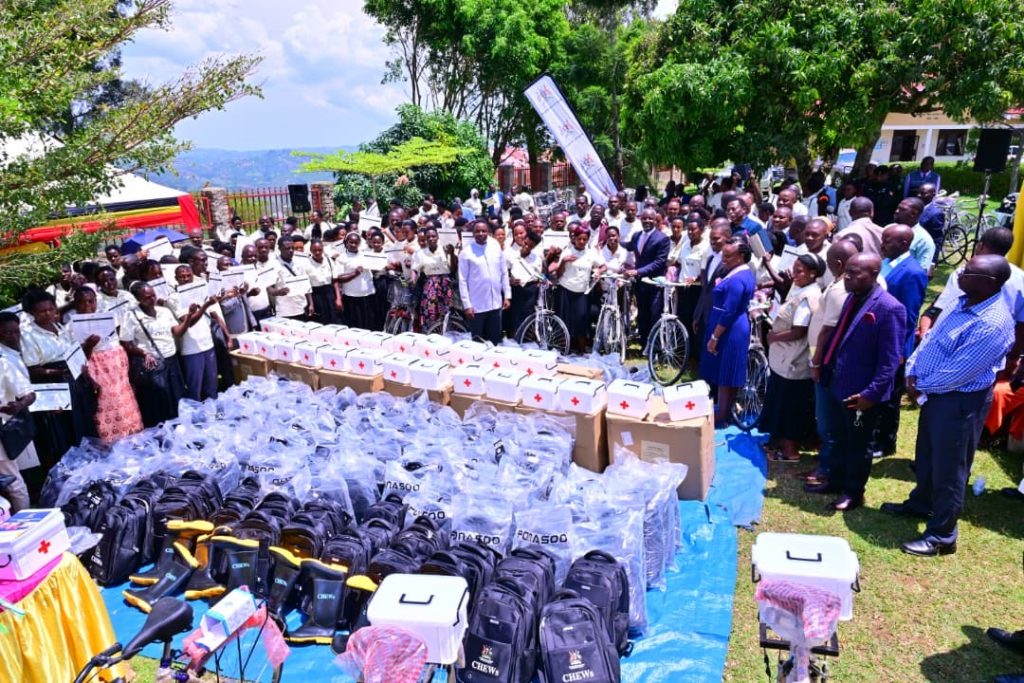
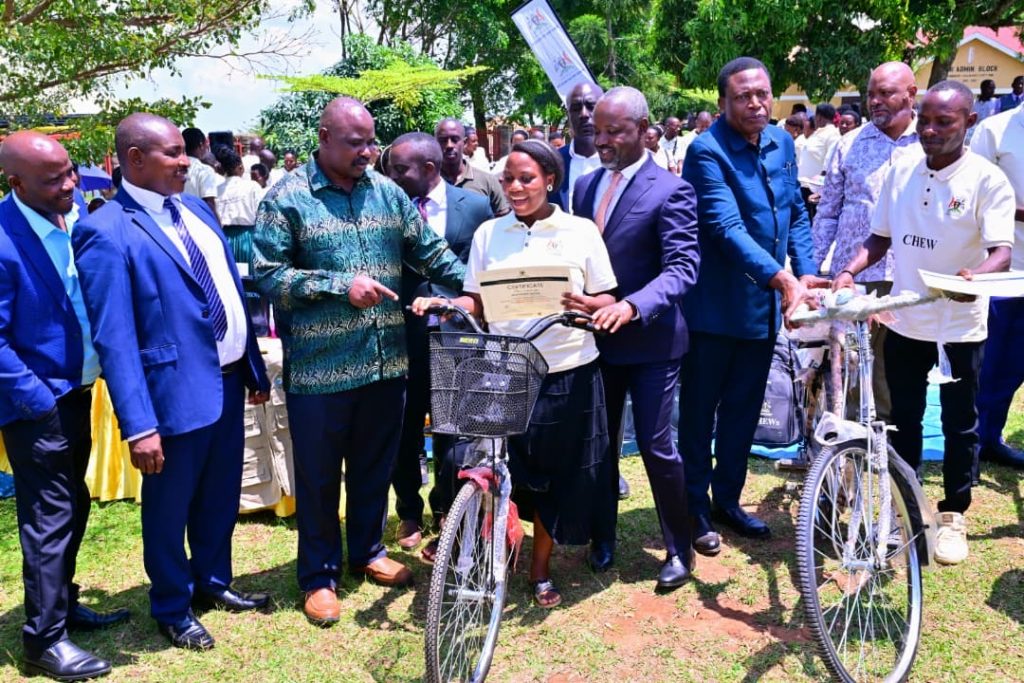
He warned them against demanding money or transport from residents and cautioned against misuse of bicycles and other equipment provided for their work.
“Guard the properties that you have been given; they are not gifts. They are work equipment,” he said.
“Seventy-five percent of the disease burden is preventable. And that’s why we want, as a Ministry, to shift our investment from curative to preventive through you community health workers,” Olaro said.
Director General of Health Services Dr Charles Olaro said the Community Health Worker programme is part of the Ministry of Health’s push to place greater emphasis on disease prevention.
He said the success of the programme should be measured by illnesses prevented at household level rather than the number of patients referred to health facilities.
“I am not interested in seeing how many patients have come to the facility. I would want to see how many patients we have prevented from coming to the facility because they have taken up health promotion and health prevention strategies at home,” he said.
Olaro also asked the workers to lead by example while promoting immunisation, antenatal care, family planning and healthier lifestyles.
Mitooma Acting District Health Officer Julius Taremwa said the workers will help bridge the gap between communities and the formal health system, particularly in areas where access to health facilities remains limited.
He said the district recruited 101 health workers this year, but staffing remains at only 22 percent.
“Although we have recruited 101 health workers, our staffing level is still at 22 percent, which is the lowest in the region,” Taremwa said.
He said the shortage makes community health workers particularly important in areas where residents still struggle to access formal health services.