By Joseph Mary Buwule
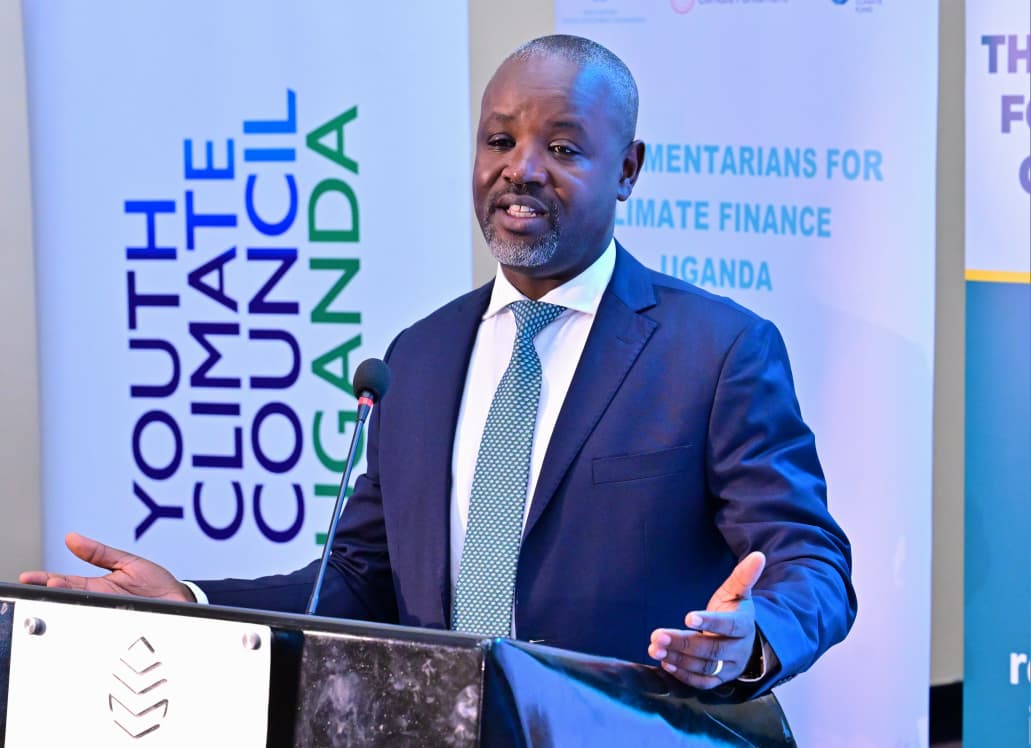
KAMPALA, UGANDA: Deputy Speaker of Parliament Thomas Tayebwa has challenged Members of Parliament to move beyond climate change rhetoric and use their legislative, budgeting, oversight and representation powers to drive practical measures that can protect Ugandans from the growing effects of climate change.
Tayebwa said Uganda can no longer afford to treat climate change as a subject reserved for speeches, workshops and international conferences, warning that failure to take decisive action could undermine development gains, destroy livelihoods and expose communities to recurring disasters.
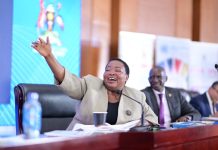
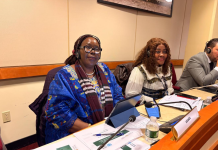
He made the remarks on Tuesday while opening a two-day induction for members of the Parliamentary Committee on Climate Change and the Committee on Natural Resources at Mestil Hotel in Kampala.
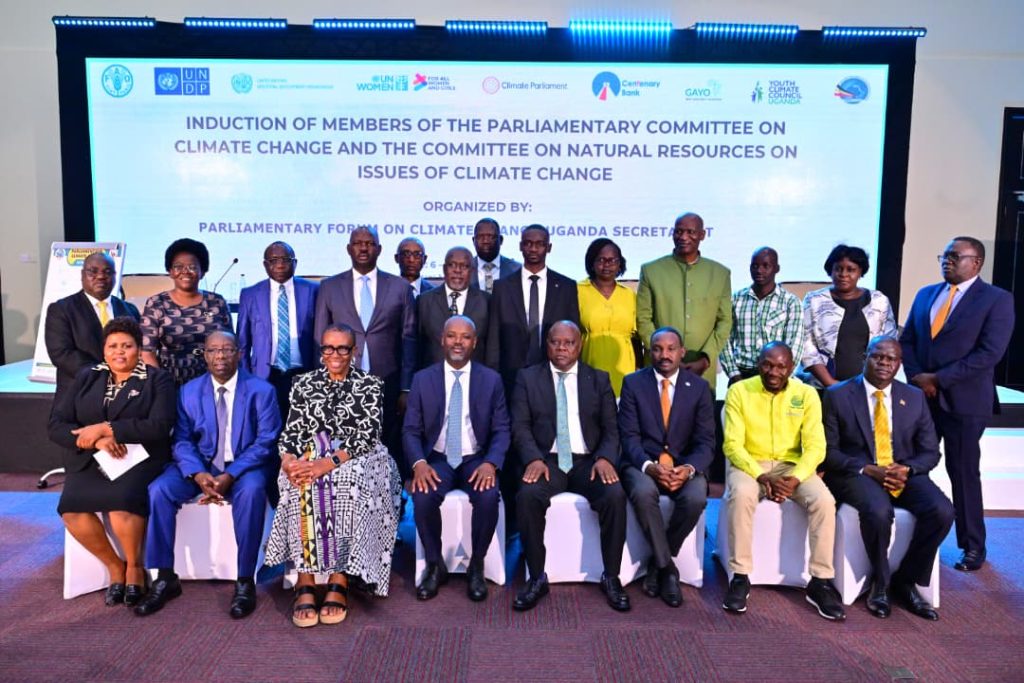
The induction brings together legislators expected to play a central role in shaping Uganda’s response to climate change through legislation, public expenditure, policy oversight and engagement with communities.
Parliament’s legacy should be measured by action
Tayebwa said the 12th Parliament should be judged by the practical steps it takes to prevent climate-related disasters rather than by the number of parliamentary sittings or conferences attended.
“History will judge the 12th Parliament not by how many sittings we had, or how many conferences we attended, but on how we prevented disasters from happening again,” Tayebwa said.
He urged MPs to make climate action part of their day-to-day parliamentary work, particularly when considering government programmes and approving national and sectoral budgets.
According to Tayebwa, it would be wasteful for the country to invest heavily in development projects only for those investments to be destroyed by floods, droughts, landslides and other climate-related disasters.
He said MPs should therefore scrutinise public expenditure with climate risks in mind and ensure that government programmes are designed to withstand changing weather conditions.
Shift from disaster response to prevention
The Deputy Speaker particularly challenged government to reduce its dependence on emergency responses after disasters occur.
He cited the recurring flooding along River Nyamwamba in Kasese District, where communities have repeatedly been displaced, as an example of a problem that requires a lasting solution rather than repeated emergency interventions.
Tayebwa questioned whether it is sustainable for government to continue spending public resources every year on tents, blankets, food and other emergency supplies for communities affected by floods and famine instead of investing in infrastructure and environmental measures that can prevent or reduce the impact of such disasters.
He argued that prevention would ultimately be more effective and economical than repeatedly responding to the same emergencies.
The Deputy Speaker also identified Ntoroko District as another area facing serious climate-related risks, noting that some families have already lost substantial portions of their land after areas were submerged.
He said such experiences demonstrate the need for Parliament and government to develop long-term climate adaptation measures that protect communities whose livelihoods and homes are increasingly vulnerable.
Climate change threatens agriculture and livelihoods
Tayebwa further warned that climate change could undermine government programmes intended to improve household incomes and strengthen food security if agriculture is not adapted to changing weather patterns.
He called for greater emphasis on climate-smart agriculture, including the use of drought-resistant seeds, agroforestry, soil conservation and improved agricultural extension services.
He urged Parliament to consider linking Parish Development Model (PDM) financing to agricultural practices that can withstand climate shocks.
“I do hope that we, as the 12th Parliament, can tie PDM funds to climate-smart agriculture, to drought-resistant seeds, to ensure we focus on agroforestry, soil protection, and also ensure that we have extension workers who are well equipped with knowledge to teach people on how they can do sustainable agriculture,” he said.
Tayebwa said farmers should not only receive financial support but should also have access to the knowledge and technologies necessary to use resources sustainably.
He stressed the importance of properly equipped agricultural extension workers who can guide farmers on soil protection, sustainable farming methods, water management and adaptation to changing weather patterns.
Water harvesting and renewable energy
The Deputy Speaker also called for increased investment in water harvesting systems, particularly in public institutions.
He proposed that schools, hospitals and other government institutions should be encouraged to harvest and store rainwater for use during dry periods.
Tayebwa also encouraged public institutions to explore renewable energy solutions, particularly solar power.
He said institutions should be supported to generate their own electricity where possible, reducing their dependence on the national grid and potentially allowing surplus electricity to be supplied back to the grid.
The proposal, he said, would not only strengthen energy resilience but could also contribute to Uganda’s transition towards cleaner and more sustainable sources of energy.
Stronger protection of forests and wetlands
Tayebwa further called for stronger parliamentary oversight of Uganda’s forests and wetlands, warning that environmental degradation was putting the country’s future at risk.
He said Parliament must hold government agencies responsible for environmental protection accountable and ensure that they effectively perform their mandates.
“We need to protect our forests. We need to keep these people in government who should protect our forests in check, on their toes,” he said.
Tayebwa said Uganda is losing about 80,000 hectares of forest cover annually, describing the trend as unacceptable.
He urged MPs to pay closer attention to environmental protection when carrying out their oversight responsibilities and to demand accountability from institutions charged with protecting natural resources.
Forests, wetlands and other ecosystems play a critical role in regulating water systems, protecting soils, supporting agriculture and communities, and helping the country cope with climate variability.
Investment in weather forecasting
Tayebwa also emphasised the importance of strengthening Uganda’s capacity to predict extreme weather events.
He called for greater government support to the Uganda National Meteorological Authority (UNMA) so that it can acquire the equipment and technology required to provide accurate and timely weather information.
“We need to support Uganda National Meteorological Authority (UNMA), give them the equipment they need to give perfect projections,” he said.
He argued that accurate forecasts can save lives and livelihoods by giving communities, farmers and local authorities sufficient time to prepare for extreme weather events.
Tayebwa proposed that weather information should be delivered directly to farmers through mobile phones and communicated in languages that communities can easily understand.
He said such an approach would make climate information more accessible to ordinary Ugandans, particularly farmers who depend heavily on weather conditions for planting, harvesting and livestock production.
MPs urged to make climate action a national priority
The Deputy Speaker’s remarks place Parliament at the centre of Uganda’s efforts to respond to climate change, with MPs expected to integrate climate considerations into legislation, budgets, government programmes and oversight.
The two-day induction at Mestil Hotel provides members of the Parliamentary Committee on Climate Change and the Committee on Natural Resources with an opportunity to deepen their understanding of climate-related challenges and strengthen their capacity to respond to them through parliamentary processes.
For Tayebwa, however, the ultimate measure of success will not be the number of climate meetings held or policies adopted, but whether those policies translate into fewer disasters, stronger communities, protected ecosystems and more resilient livelihoods.
His message to MPs was therefore clear: climate change requires action, investment and accountability—not simply discussion.