By Shivan Ayebare| Kabale
The Uganda Electricity Distribution Company Limited (UEDCL) says it has cleared all outstanding electricity connection applications inherited from 2025 in Greater Kabale, as the company works to connect another 400 customers before Christmas.
UEDCL Kabale Station Manager Lovinsa Nshemereirwe said the company had connected 2,537 customers since taking over electricity distribution operations from Umeme in March 2025.
Speaking during a blood donation campaign in Kabale, Nshemereirwe said UEDCL currently serves approximately 19,000 customers across Greater Kabale, with 950 new connections completed in 2026.
She explained that the company inherited a backlog of applications during the transition from Umeme but had since cleared all outstanding applications from 2025.
“No customer is pending from 2025, and we are committed to clearing all pending new connections (400) before Christmas,” Nshemereirwe said.
The company is now focusing on completing the remaining applications received this year.
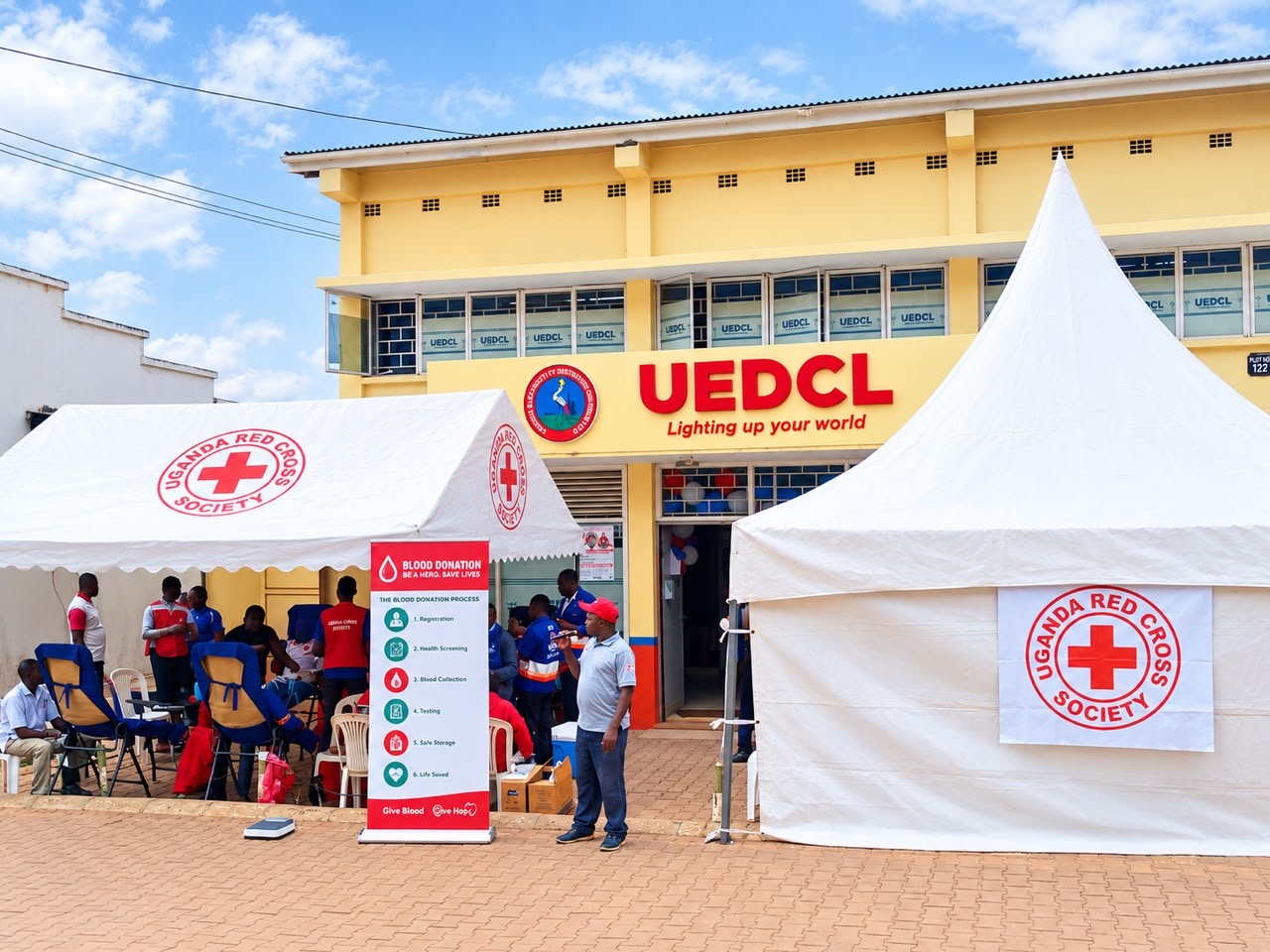
Meanwhile, UEDCL Kabale Station has partnered with the Uganda Red Cross Society and Uganda Blood Transfusion Services to conduct a two-day blood donation campaign targeting 100 units.
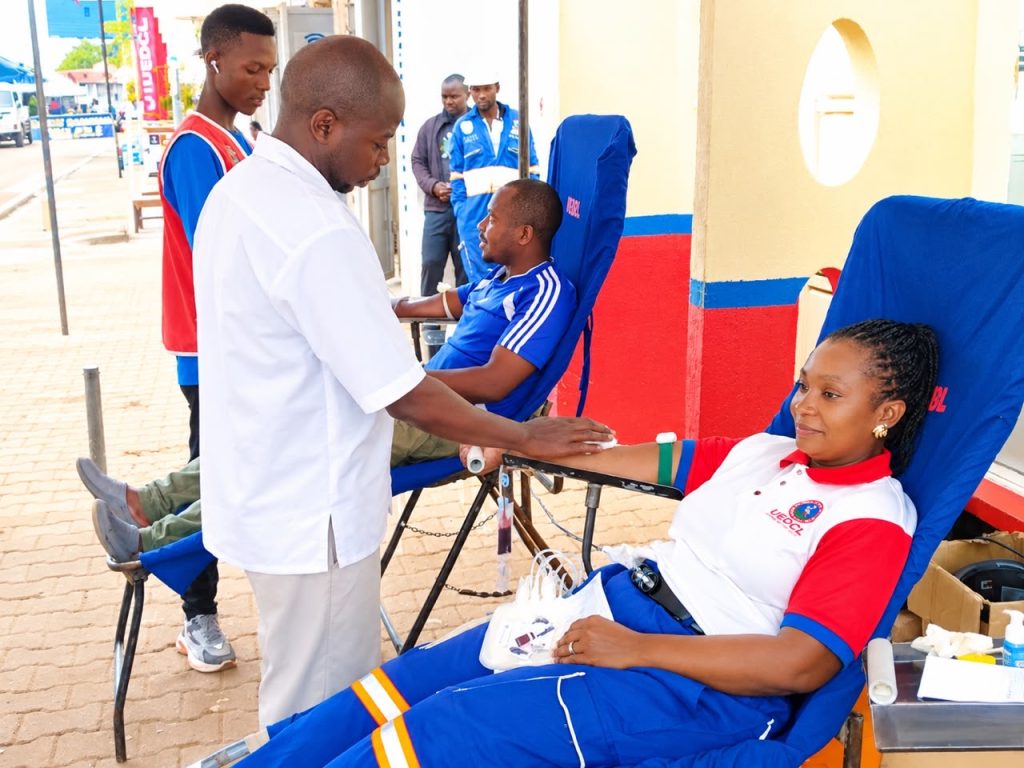
The exercise, organised as part of Customer Service Month activities, collected 68 units of blood on its first day.
Nshemereirwe, who also donated blood, encouraged residents to participate, saying regular blood donations are critical for hospitals treating accident victims, cancer patients and mothers experiencing severe bleeding after childbirth.
“Let’s be those silent heroes to the mothers in hospitals, accident victims, and others who need this blood,” she said.
She said the exercise also gave UEDCL an opportunity to interact directly with customers, receive complaints and respond to concerns about electricity distribution services.
Sam Byamugisha, Senior Blood Donor Recruitment Officer at the Kabale Collection Centre, said Uganda continues to face difficulties in collecting enough blood to meet demand from health facilities.
He attributed the challenge to inadequate funding for blood collection activities and reluctance among some members of the public to donate.
“Sometimes there are insufficient funds to support such drives, but our people also fear or deliberately ignore calls to donate blood,” Byamugisha said.
Byamugisha urged residents to donate blood regularly, noting that hospitals depend on voluntary donors to maintain adequate supplies for emergencies and routine medical procedures.