By Parliament Press
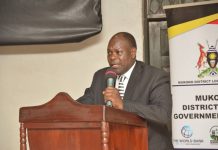
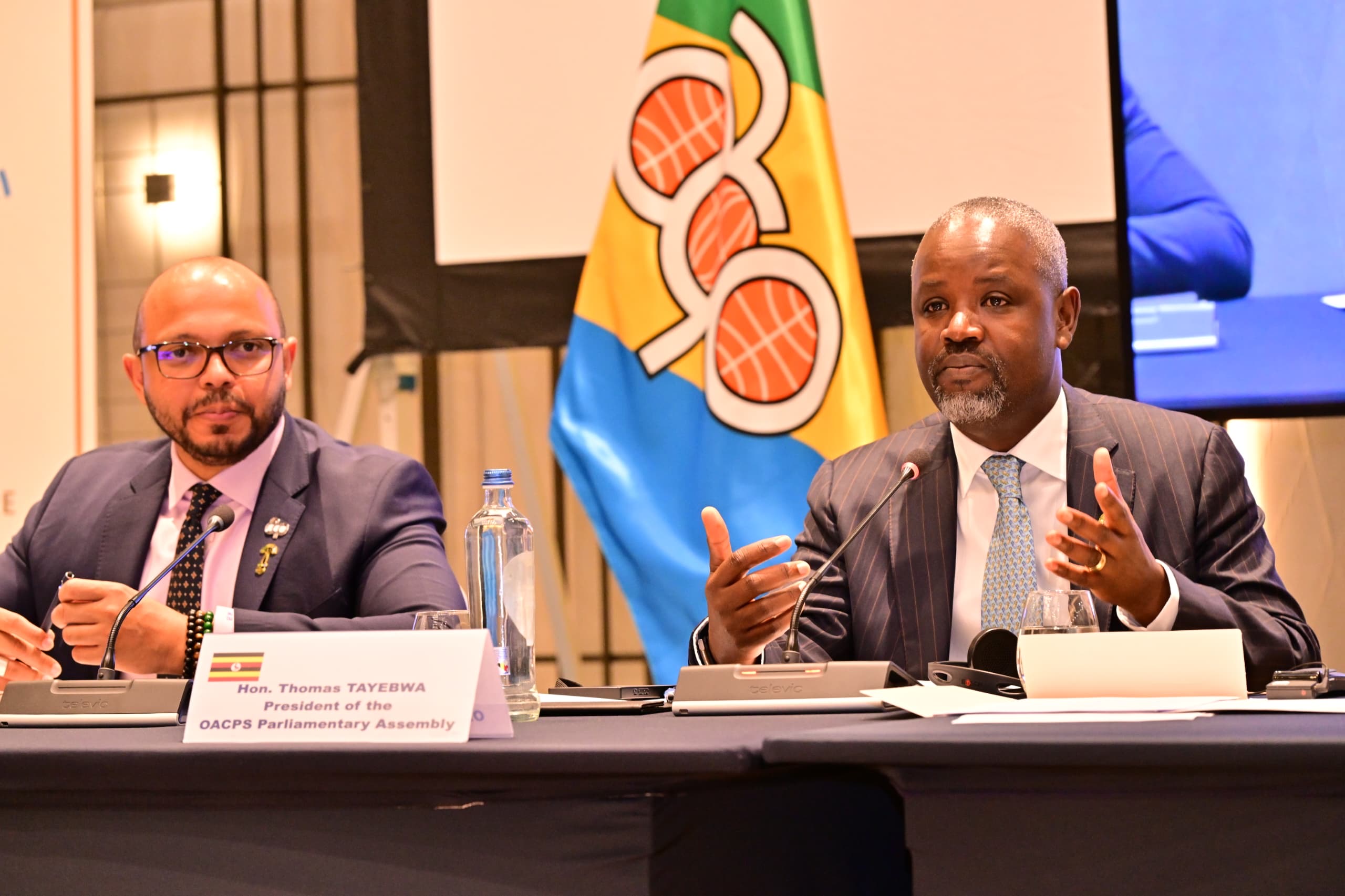
Deputy Speaker of Parliament Thomas Tayebwa has urged African, Caribbean and Pacific countries to adopt a united position in negotiations with the European Union on trade, investment, climate financing and development cooperation.
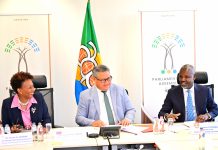
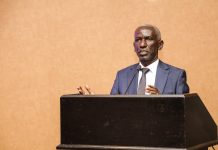
Tayebwa, who is also President of the Organisation of African, Caribbean and Pacific States (OACPS) Parliamentary Assembly, made the call while chairing the Assembly’s 65th session in Brussels on Sunday, November 8, 2026.
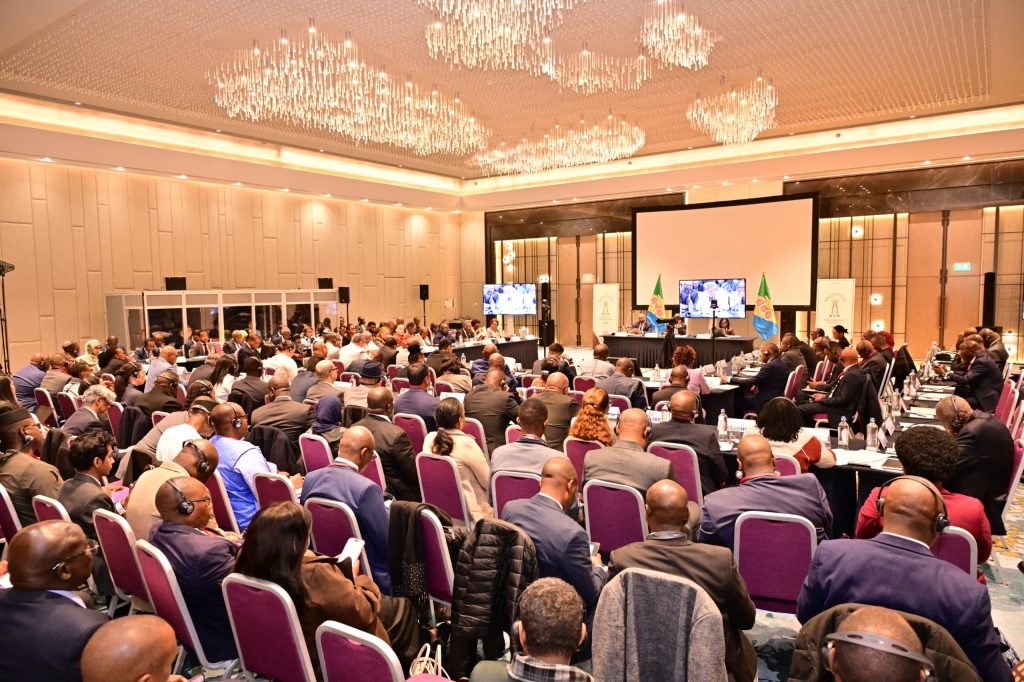
The meeting, his first as Assembly President, brought together 46 heads of delegation and more than 220 participants ahead of the OACPS-EU Joint Parliamentary Assembly scheduled for November 9 to 13.
Tayebwa said the 79-member organisation needed to negotiate as a bloc to secure better terms for its member states, arguing that Europe’s collective approach to international engagements had strengthened its bargaining power.
“When we are engaging with our European countries, our partners, you will not hear them talking about their country. They will be talking about Europe as a region. We want in our engagement tomorrow with our European counterparts to be guided by unity,” Tayebwa said.
“When you are speaking, you are speaking for Africa, you are speaking for the Caribbean, you are speaking for the Pacific, not just for your country. That’s the only way we shall be able to match these people,” he added.
The Deputy Speaker urged legislators to coordinate their positions and support their negotiators during discussions with European counterparts.
He also expressed concern over the slow ratification of the Samoa Agreement, which governs cooperation between the OACPS and the European Union in trade, investment, sustainable development, climate change, governance, peace and security.
According to Tayebwa, only 15 OACPS member states and 15 EU member states had ratified the agreement, despite its provisional application since January 2024.
He warned that delays in ratification could affect its full implementation and limit opportunities available to member countries.
Tayebwa disclosed that he had written to parliamentary speakers across the OACPS, asking them to engage their governments and accelerate the ratification process.
“When you go back, I will request you to ask your ministers in charge of foreign affairs, on the floor of parliament, to give you an update on how far they have gone with ratification. Because it unlocks a lot of opportunities for your country,” he said.
OACPS Secretary-General Moussa Batraki also called for faster ratification, noting that at least 53 member states must ratify the agreement before it can be fully implemented.
Another issue raised during the meeting was the financial independence of the OACPS Parliamentary Assembly.
Tayebwa called for a sustainable financing mechanism that would allow the organisation to fund its activities without relying entirely on support from the European Union.
“Reliable financing is essential if we are to organise our own activities and follow through on our priorities. We cannot continue to depend on external support only to determine when and how we meet,” he said.
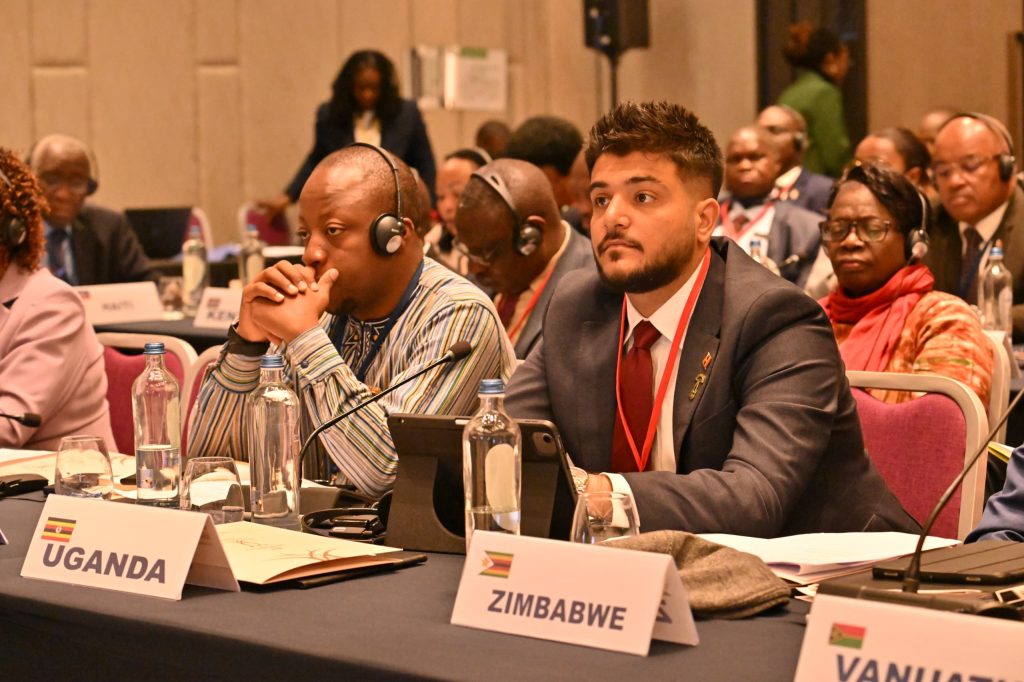
The proposal received support from representatives of the African, Caribbean and Pacific regions.
The African parliamentary group proposed an initial fund of approximately one million euros from 2027, while the Caribbean and Pacific groups supported establishing a common parliamentary fund, with contributions based on the financial capacities of member states.
The Assembly also discussed climate financing, debt management, digital learning and food security ahead of its engagement with European legislators.
Tayebwa said developing countries needed financing arrangements that would enable them to respond to climate change without increasing their debt burdens.
“Our discussions on climate finance and digital learning also concern choices we face in our own parliaments. That is how to protect communities without depending on debt, and how to strengthen the skills and institutions needed to serve them,” he said.
Batraki urged member states to use their collective influence to advance common positions on trade, investment, climate change and development financing.
He said the organisation’s strength lay in its ability to accommodate the different priorities of its 79 member states while maintaining a common position on international issues.
The OACPS-EU Joint Parliamentary Assembly opens in Brussels on Monday, November 9, with discussions expected to focus on trade relations, development financing, climate action and implementation of the Samoa Agreement.