By Natoolo Sarah
As the threat of El Niño related weather extremes continues to highlight the vulnerability of communities across East Africa, and the IGAD Region, the IGAD Climate Prediction and Applications Centre (ICPAC) is strengthening public awareness and access to climate information to help countries prepare for potential floods, droughts and other climate related disasters.
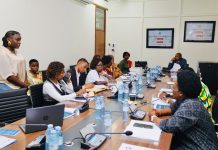
The initiative underscores the importance of translating scientific weather forecasts into practical information that communities, farmers, policymakers and disaster management institutions can use to make informed decisions and reduce the impacts of extreme weather events.
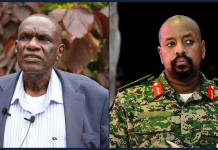
In an exclusive interview ,ICPAC Director, Dr Abdi Fidar, underscored the importance of providing timely and accessible climate information to people across the region, noting that early warnings are critical in enabling communities to anticipate weather related risks and take appropriate action.
He emphasised that, Timely information should reach the people who need it most, including vulnerable communities whose livelihoods depend heavily on agriculture, livestock and other climate sensitive activities.
Dr Abdi Fidar, said, through increased sensitisation, ICPAC seeks to bridge the gap between climate science and public understanding, ensuring that forecasts are not simply produced but are also communicated in ways that support preparedness and informed decision making.
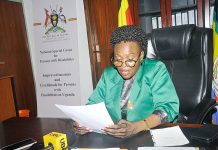
According to the Uganda’s commissioner for Meteorological Services , Ministry of water and environment, Dr Bob Alex Ogwang, Uganda’s preparedness takes a centre stage across the country.
He stressed that, Uganda sensitisation drive is particularly important, given the country’s exposure to flooding, especially in areas surrounding major water bodies, river systems and mountainous terrain.
Dr Ogwang stressed the need for Ugandans to make greater use of available weather and climate information to guide proper planning and decision making.
He emphasises that weather forecasts should inform everyday activities, from when farmers plant their crops to how communities prepare for heavy rainfall, while government institutions should use climate information to plan infrastructure development, disaster response and service delivery.
He said, Uganda has several flood prone areas, including Kampala and Wakiso, which are particularly low lying urban settlements.
Dr Ogwang cited Butaleja and the wider Teso sub region, Bududa and Bulambuli in the Mount Elgon region, and Kasese, Ntoroko and Bundibugyo in the Rwenzori region, stressing that, Areas around Lake Kyoga and the River Nile basin, including parts of Butaleja, Buliisa and Pakwach, also face recurring flood risks.
He said that , the Ministry of Water and Environment’s WASH National Adaptation Plan identifies Ntoroko, Bulambuli, Nabilatuk and Obongi among districts with significant population exposure to flooding.
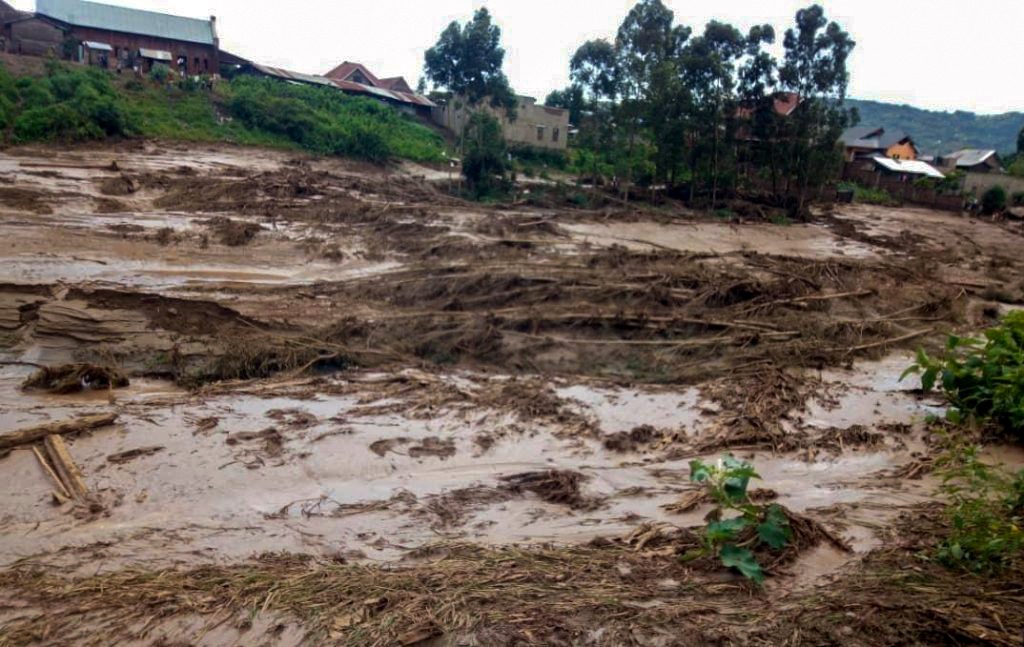
He noted that , Beyond flooding, prolonged or excessive rainfall can trigger landslides, destroy crops, damage roads and bridges, displace families and increase the risk of waterborne diseases.
Dr Ogwang believes that, sensitisation is not merely about communicating the possibility of an El Niño event. It is about ensuring that climate information reaches the last mile and translates into practical action.
As the region strengthens its preparedness mechanisms, communities are encouraged to follow official forecasts, heed early warnings, avoid settling or farming in high risk areas and develop household preparedness plans.
The success of early warning systems will depend not only on the accuracy of forecasts but also on whether people understand the information and act on it.
strengthening public awareness and collaboration with national meteorological institutions, ICPAC is helping move the region from responding to disasters towards anticipating risks, protecting livelihoods and building climate resilience.