By Suzan Nawonga
Cervical and breast cancer are increasingly becoming silent killers among women in Uganda, particularly those in their most productive years.
Cervical cancer has become the leading cause of cancer-related deaths among women in the country. Among men, prostate cancer remains the most common form of cancer, mainly affecting those above the age of forty.
According to records from the Uganda Cancer Institute, the country registers about 35,000 to 36,000 new cancer cases every year, with thousands of Ugandans currently living with the disease.
Health specialists warn that the situation is worsening largely because many patients seek medical attention when the disease is already in advanced stages.
Dr Wilson Okot, an oncologist at the Uganda Cancer Institute, says the silent nature of many cancers has made early diagnosis difficult.
“Because cancer often develops silently in the body, many patients only seek medical attention when the disease has already advanced,” he said.
Among women, cervical cancer remains the most common, with about 7,000 new cases reported every year, making it one of the leading causes of cancer-related deaths in the country.
Breast cancer, which affects both men and women, also continues to pose a major threat, particularly to women’s health.
Dr Okot highlighted some of the warning signs that should prompt immediate medical attention. These include unusual bleeding, persistent pelvic pain, and abnormal discharge for cervical cancer. For breast cancer, symptoms may include a lump in the breast. Among men, prostate cancer signs may include difficulty in urination or pelvic discomfort.
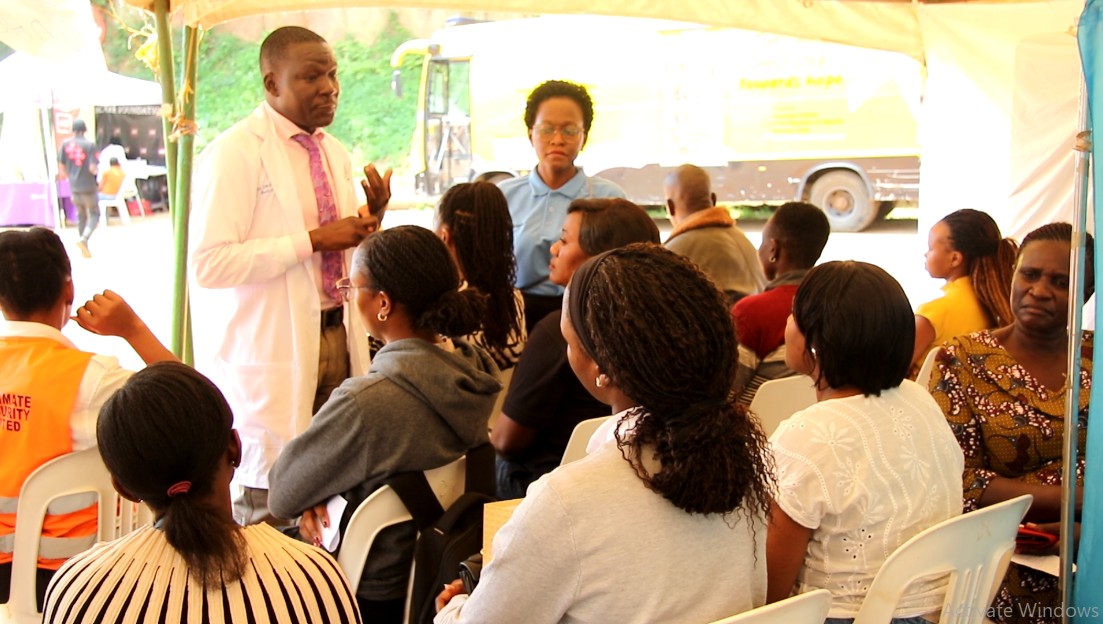
To promote early detection and encourage healthy living, Grant Thornton Uganda has organized a free cancer screening camp as part of activities to commemorate International Women’s Day.
The initiative aims to encourage both women and men to prioritize regular health check-ups and increase awareness about the importance of early diagnosis.
Smitha Venugopal, the Chief Executive Officer of Grant Thornton Uganda, said members of the community have embraced the services at the medical camp, which she described as a positive step towards early diagnosis.
Meanwhile, the Uganda Cancer Institute has initiated efforts to expand access to cancer services through the establishment of regional cancer centres across the country to strengthen screening, diagnosis, and treatment.
The move is expected to reduce the number of patients who travel long distances to access specialised cancer care.
Health experts have consistently emphasized that regular screening and early detection remain the most effective ways to reduce cancer-related deaths in Uganda.