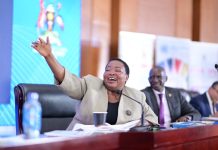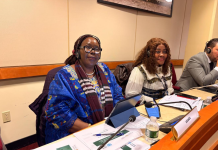
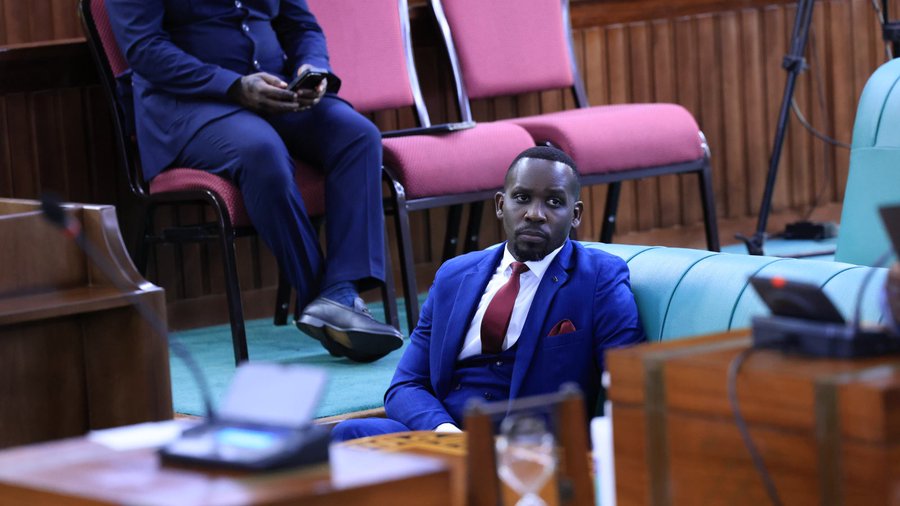
The Opposition has rejected the proposed Protection of Sovereignty Bill, 2026, describing it as unnecessary, duplicative, and potentially harmful to Uganda’s democratic and economic environment. Appearing before a joint parliamentary committee on April 24, 2026, the Leader of the Opposition, Joel Ssenyonyi, argued that the Bill repeats provisions already covered under existing laws such as the Penal Code Act and the Anti-Money Laundering Act.
Ssenyonyi explained that offences including treason, illicit financial flows, and unlawful foreign funding are already criminalised, making the proposed legislation redundant. He further warned that certain provisions—such as capping foreign funding at Shs400 million without ministerial approval—could stifle civic space and negatively impact economic activity, with penalties of up to 20 years in prison for non-compliance.
Concerns were also raised over clauses that could restrict freedom of expression, particularly one that criminalises influencing the public against government policy. According to Ssenyonyi, such provisions undermine the constitutional role of the Opposition in holding government accountable.
The Uganda People’s Congress (UPC), through its General Secretary Francis Ebil, also called for the withdrawal of the Bill, describing it as unconstitutional. He criticised provisions that could reclassify Ugandans based on residence and impose severe penalties, including heavy fines and long jail terms, which he said contravene constitutional protections.
Meanwhile, some legislators on the committee called for further scrutiny rather than outright rejection. John Teira noted that the Bill is intended to address subversive activities, while Richard Oriebo suggested that consolidating sovereignty-related provisions into a single law could improve legal clarity and enforcement.