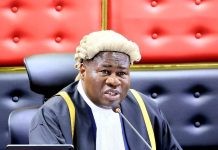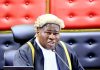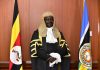
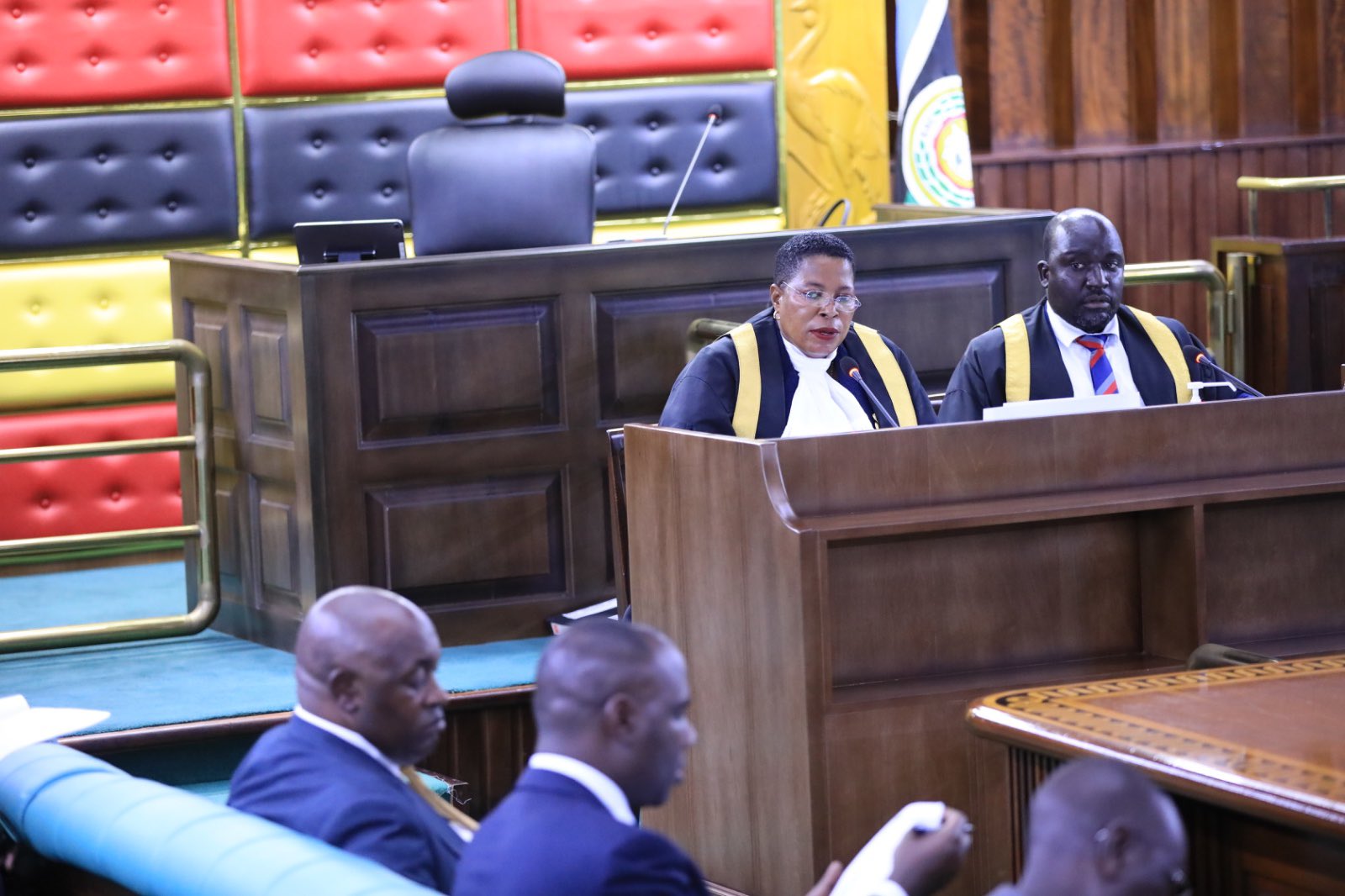
Parliament has approved a Shs84.3 trillion national budget for the 2026/2027 financial year, setting the stage for government spending amid mounting fiscal pressure driven by debt and statutory obligations. The budget was passed during a plenary sitting chaired by Speaker Anita Among on April 24, 2026, following the adoption of the Appropriation Bill and the Budget Committee report.
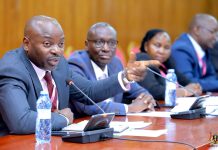
Presenting the financing plan, State Minister for Finance Henry Musasizi said the budget will largely be funded through domestic revenue amounting to Shs44.18 trillion, supplemented by domestic borrowing, external support, and other sources including petroleum revenues and grants. Of the total expenditure, Shs47.16 trillion is earmarked for discretionary spending, while Shs37.23 trillion will cater for statutory obligations such as debt servicing, wages, and pensions.
According to the Budget Committee, led by Deputy Chairperson Remigio Achia, debt servicing remains the single largest expenditure item, projected at about Shs33.4 trillion—nearly 40 per cent of the entire budget. This significant burden continues to limit funding available for service delivery across key sectors.
Despite the constraints, the budget prioritises growth areas including agro-industrialisation, tourism, mineral development, and science and technology. It also allocates substantial funding to human capital development, infrastructure, wealth creation programmes, and security. Key interventions include support for the Parish Development Model, expansion of ICT infrastructure, and preparations for AFCON 2027.
However, the budget faced criticism from several legislators. Kira Municipality MP Ibrahim Ssemujju Nganda raised concerns over last-minute changes to the budget figures, warning of potential misuse of funds. Leader of the Opposition Joel Ssenyonyi also questioned continued funding for projects such as the Lubowa International Specialised Hospital, citing limited progress.
Government officials defended the budget and borrowing strategy, with ICT Minister Chris Baryomunsi stating that borrowing is a global practice and necessary for development. Speaker Among urged accountability in public spending, emphasizing the need for value and timely implementation of government projects as the country moves into the new financial year.