
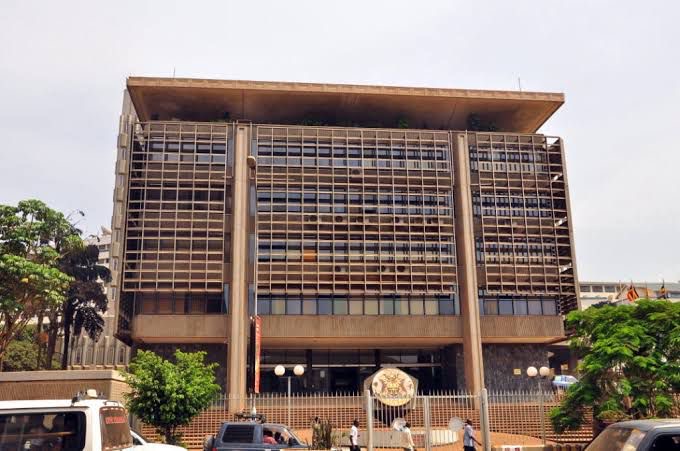
The Bank of Uganda has moved to push the country further into digital payments, announcing new over-the-counter cash withdrawal limits that will take effect on January 1, 2027.
The Central Bank says the future of payments is digital, noting that most transactions in Uganda are already moving away from cash.
According to the Bank, 93 out of every 100 shillings in Uganda now move electronically, making digital payments the main route for both the volume and value of transactions.
“The question is no longer whether the country is going digital, it is how well our rules keep pace,” the Bank of Uganda said.
Under the new rules, individuals will be allowed to withdraw up to UGX 50 million per day and UGX 250 million per week over the counter.
Corporate and business accounts will have a daily withdrawal cap of UGX 500 million and a weekly limit of UGX 2.5 billion.
The limits will not affect digital payment channels such as the Real Time Gross Settlement System, Electronic Funds Transfers and other electronic payment options.
Bank of Uganda says the move is part of the financial sector’s e-payments strategy and is meant to support a safer, cheaper and more efficient payments system.
The Bank says electronic credit transfers have become the main engine of transactions across tracked currencies, with their share rising from 87.71 percent to 93.53 percent. The value of electronic credit transfers also rose from 79.33 percent to 93 percent.
Mobile money continues to grow as well, averaging 25 percent of transactions annually since the 2020/2021 financial year.
The Central Bank says the shift shows that Ugandans are already embracing digital payments for everyday transactions.
To prepare the public, Bank of Uganda will start a nationwide sensitisation campaign on July 1, 2026. Financial institutions have also been directed to guide customers on available digital alternatives, including RTGS, EFTs and mobile money bank-to-wallet transfers.
The Bank says it is aware that some sectors still depend heavily on cash. For such cases, supervised financial institutions may seek exceptional approvals, while also applying risk-based customer profiling.
Bank of Uganda says the changes are intended to reduce the risks and costs of handling cash while supporting a modern, inclusive and resilient payments system.