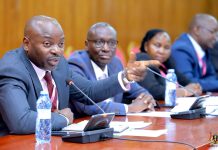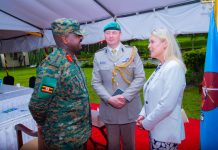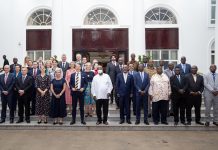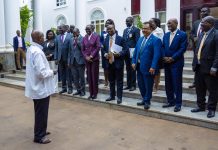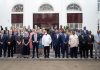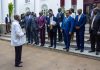
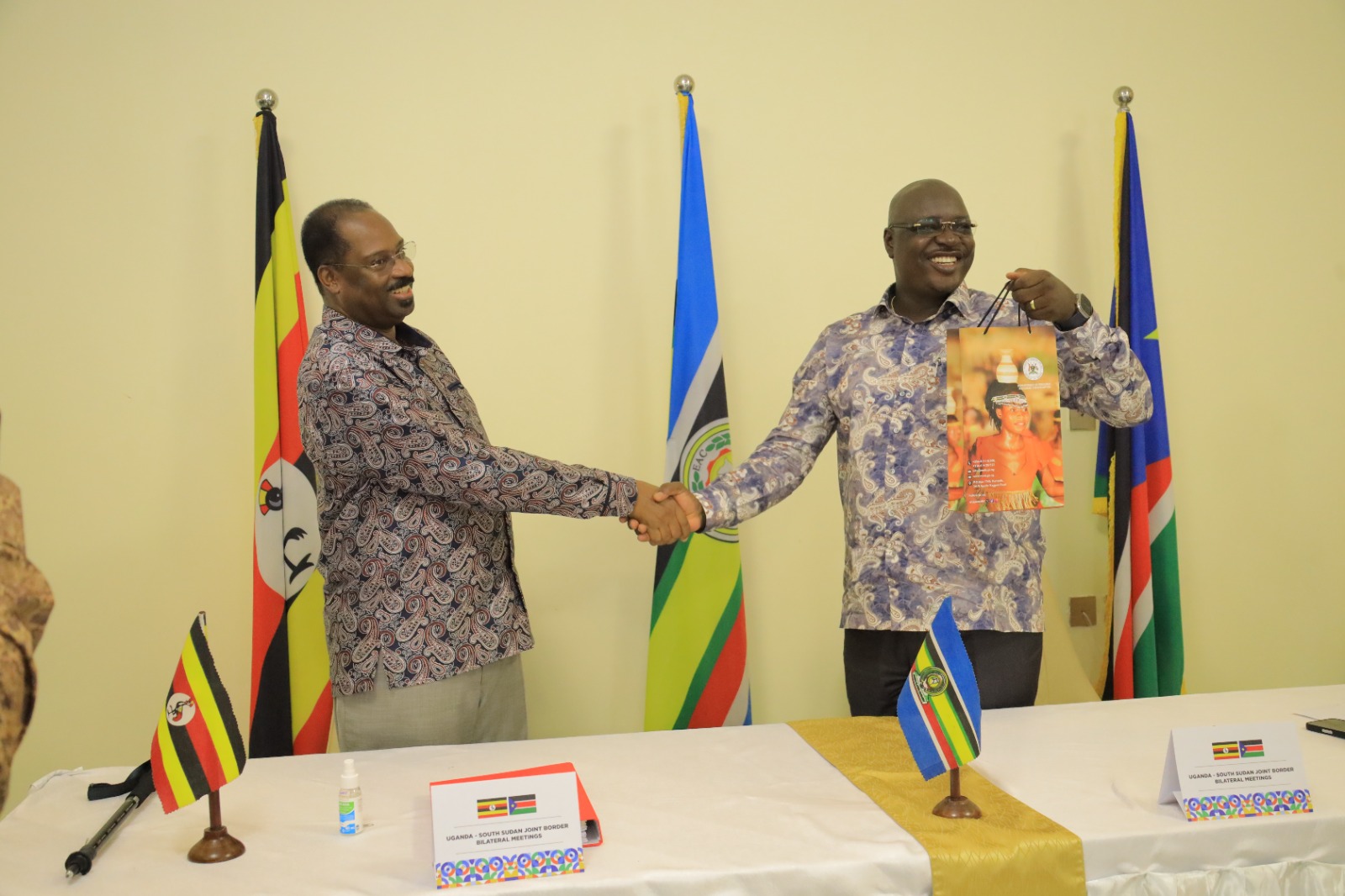
Pursuant to the strategic guidance of His Excellency Yoweri Kaguta Museveni, President of the Republic of Uganda, and His Excellency Salva Kiir Mayardit, President of the Republic of South Sudan, issued during the Presidential State Visit to Juba in April 2025, the 6th Uganda–South Sudan Joint Border Meeting on Economic and Security Cooperation was successfully convened in Arua District, Republic of Uganda, from 23rd to 24th July 2026.
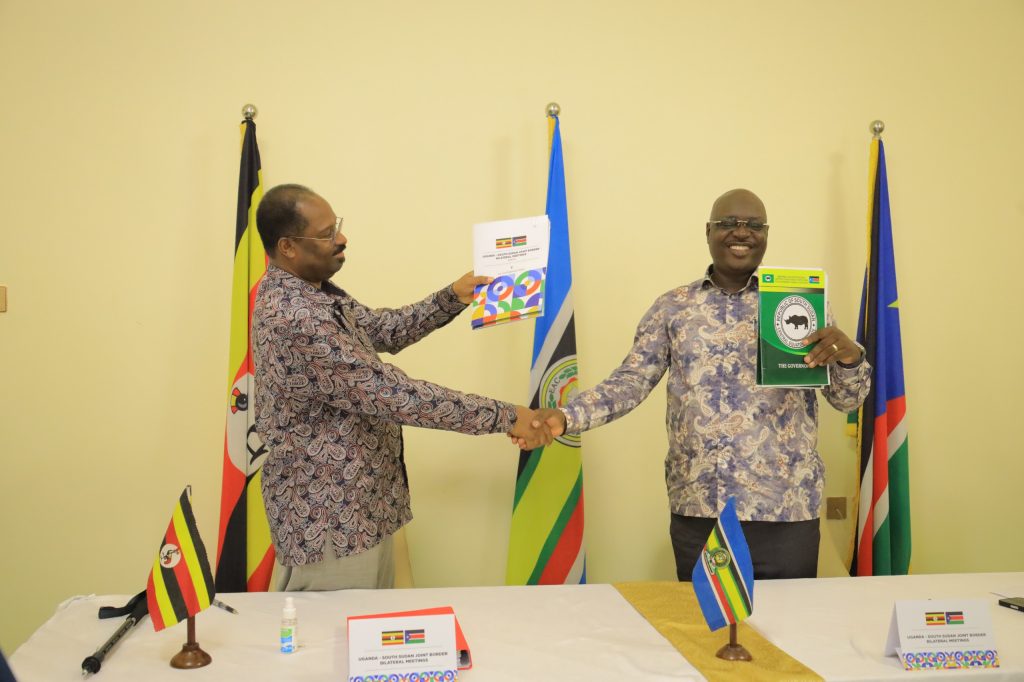
The meeting was co-chaired by H.E. Amb. Brig. Gen. Ronnie Balya ‘ndc’, Ambassador Extraordinary and Plenipotentiary of the Republic of Uganda to the Republic of South Sudan, and H.E. Emmanuel Adil Anthony Wani, Governor of Central Equatoria State, Republic of South Sudan.
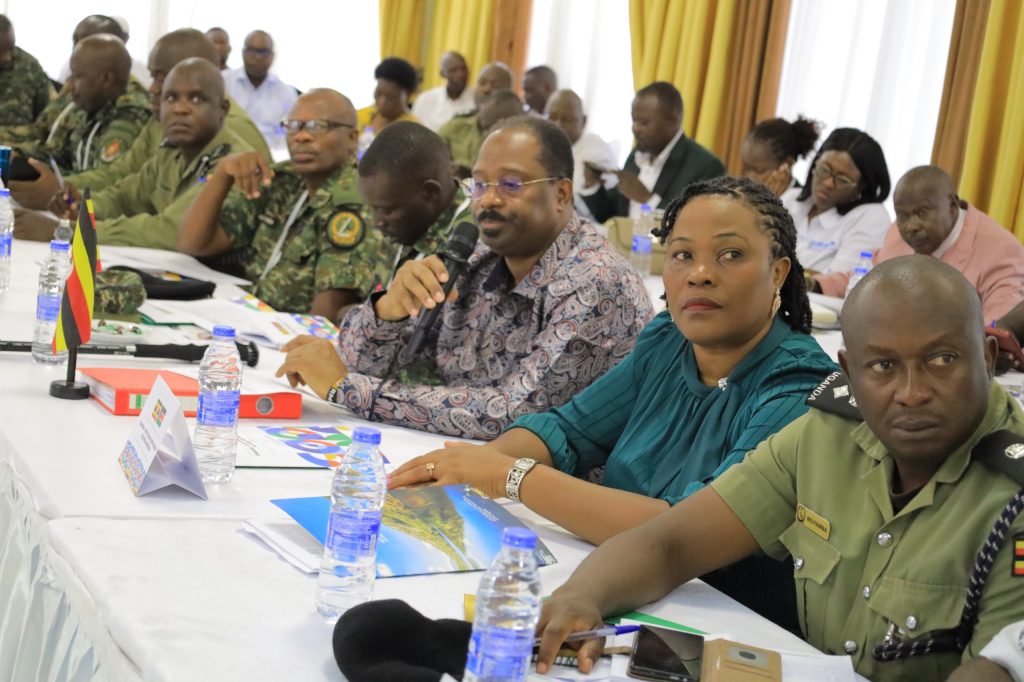
The delegations engaged in constructive deliberations across four thematic areas: Trade and Economic Cooperation; Customs and Revenue; Security and Stability; and Migration and Social Services, including Health and Refugees.
The Heads of Delegation reaffirmed the strong fraternal relations and strategic partnership between the two Republics, anchored on mutual respect, good neighbourliness, and shared prosperity.
- Border Demarcation and Management
The two sides committed to the early resumption of the Joint Technical Committee with a view to expediting the reaffirmation and re-marking of the approximately 470-kilometer shared international boundary, with the objective of its completion by 2027.
- Peace, Security and Stability
The delegations underscored the importance of African solidarity and regional stability. They emphasized the need for continued collaboration between national defence and security organs in addressing cross-border threats, including terrorism and violent extremism.
The meeting further called for the promotion of accurate information and constructive dialogue, and reiterated that peaceful coexistence is best sustained through joint border patrols, regular consultations, and meaningful engagement with traditional and community leaders.
- Trade Facilitation and Economic Integration
In the spirit of enhancing regional integration, the meeting resolved to progressively eliminate tariff and non-tariff barriers, address challenges affecting the private sector, and harmonize customs and immigration procedures. These measures are intended to facilitate the efficient movement of goods and persons and to reduce transit times along the Central and West Nile transport corridors.
- Institutional Coordination
To ensure effective follow-up, the delegations adopted a comprehensive implementation matrix to guide action by relevant government ministries, local border authorities, security institutions, and private sector actors.
It was further agreed to immediately reactivate the Border Management Committees to consolidate gains toward durable stability, peaceful coexistence, and the expansion of legitimate cross-border trade.
The Heads of Delegation expressed appreciation to the Government and people of the Republic of Uganda for the warm hospitality extended during the meeting.
It was agreed that the Republic of South Sudan will host the 7th Session of the Joint Border Bilateral Meeting on a date to be agreed upon and communicated through diplomatic channels.