By Sarah Natoolo
Ugandan fisheries researchers are stepping up work on improved fish seed, genetics, feeds and production systems as the country seeks to increase farmed fish production and reduce pressure on natural fisheries.
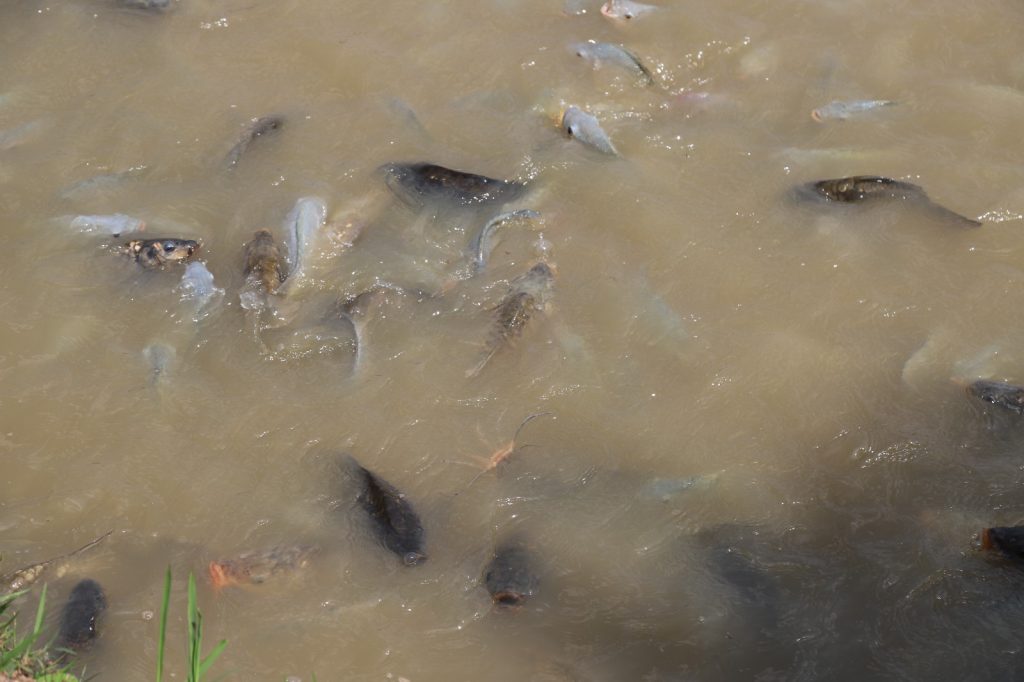
At the Aquaculture Research and Development Centre (ARDC) in Kajjansi, scientists are working on improved strains of Nile tilapia and African catfish, alongside research into fish feeds, health, water quality and farming systems.
ARDC is part of the National Fisheries Resources Research Institute under the National Agricultural Research Organisation and serves as Uganda’s national centre for aquaculture research and development.
Dr Papius Dias Tibihika, Head of Aquaculture Research at the centre, says quality fish seed remains critical to the growth of commercial fish farming.
Poor-quality fingerlings can leave farmers with slow-growing fish and low survival rates, even where they have invested in ponds, cages, feeds and other inputs.
Researchers at Kajjansi are consequently working on broodstock, selective breeding and hatchery systems to improve the quality of fish available to farmers. ARDC’s breeding programme targets traits including faster growth in Nile tilapia and African catfish.
NARO’s 2023/24 annual report says researchers have also used genetic sequencing to characterise Nile tilapia and African catfish populations as part of efforts to improve seed quality and aquaculture productivity.
Dr Tibihika was also among researchers behind a 2025 study examining African catfish populations from five Ugandan water bodies. The research generated genetic information that could be used in selective breeding programmes.
The work comes as Uganda looks to aquaculture to supplement fish from lakes and rivers and meet growing demand for animal protein.
Research at Kajjansi has extended into feeds, one of the major costs faced by fish farmers. Scientists have worked on alternative feed ingredients, including black soldier fly larvae, as they search for locally available options that can support fish growth while controlling production costs. ARDC lists fish feeds, nutrition and genetics among its research areas.
Researchers are also studying where commercial fish production can expand.
More than 50 sites suitable for cage fish farming have been identified on Lakes Victoria, Albert and Kyoga. ARDC has also developed procedures for selecting cage-farming sites and guidelines for managing cage operations.
The research is intended to address practical problems faced by farmers, from the quality of fingerlings and feeds to disease, water management and production costs.
For Uganda, the next test will be how widely these technologies reach farmers and hatchery operators.
Researchers at Kajjansi say expanding access to improved seed, better feeds and tested production methods could raise output from existing farms and support further commercial investment in aquaculture.