The Government has launched a review of Uganda’s economic and commercial diplomacy programme, with officials calling for stronger follow-up on opportunities identified abroad and greater focus on turning diplomatic engagements into actual trade, investment and other economic benefits.
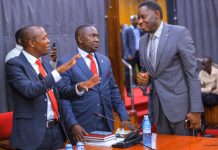
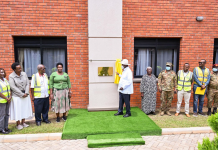
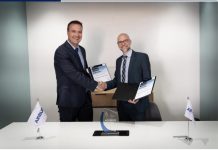
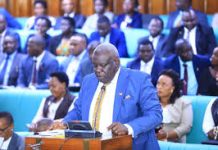
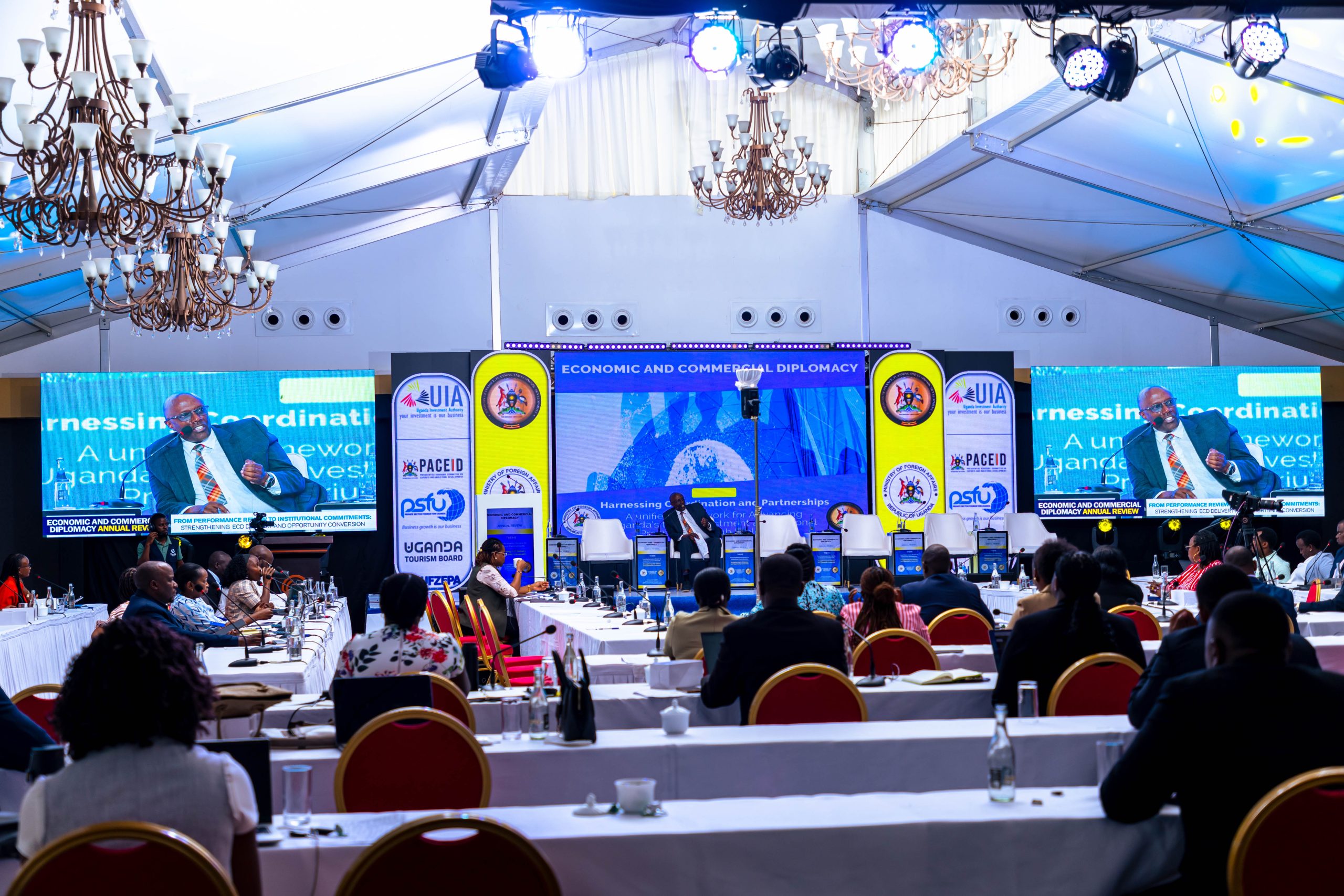
The three-day retreat, running from September 16–18, 2026 at Lake Victoria Serena Golf Resort & Spa, brings together officials from the Ministry of Foreign Affairs, Uganda’s missions abroad, government agencies and private-sector representatives.
The review is assessing the implementation of the Economic and Commercial Diplomacy (ECD) Strategy during the 2025/26 financial year and how identified opportunities can be moved from initial engagements to actual business outcomes.
Opening the retreat on behalf of the Permanent Secretary, Amb. Bagiire Vincent Waiswa, the Head of ECD and Regional Economic Cooperation, Amb. Richard Kabonero, said about US$35 million had been invested in the programme in 2026, while the returns presented during the review were projected at nearly four times the investment.
Kabonero described economic diplomacy as a shared responsibility involving government institutions, Uganda’s missions abroad and the private sector, noting that the country had now moved beyond the pilot phase of the programme to full-scale implementation.
The Ministry of Finance also called for greater accountability in the way economic diplomacy activities are planned and financed.
Moses Kabanda, Commissioner for Public Administration at the Ministry of Finance, said the review was examining opportunities generated by Uganda’s missions, including those that had been converted into actual investments or trade, those still active and those that had been lost.
He identified challenges including differences in performance among missions, inadequate follow-up, limited market intelligence, export-readiness gaps and delays in responding to opportunities.
Director of Budget at the Ministry of Finance, Ashaba Hannighton, said diplomatic engagements should ultimately contribute to measurable economic outcomes such as exports, investment, employment, business opportunities and government revenue.
The review comes amid reported growth in several areas linked to Uganda’s economic diplomacy. Export earnings rose from US$7.8 billion in FY2023/24 to US$15.8 billion in FY2025/26, while foreign direct investment increased from US$3 billion to US$3.6 billion between FY2023/24 and FY2024/25.
Tourist arrivals also increased from 1.27 million in 2023 to 1.64 million in 2025, while diaspora remittances grew from US$1.51 billion to US$2.55 billion during the same period.
The retreat is also reviewing 52 investment, trade and climate-financing opportunities identified through more than 10 Ugandan missions abroad. Officials say each opportunity needs clear ownership, timelines, prospective partners, estimated value and defined follow-up actions.
Participants have identified several factors limiting the conversion of such opportunities, including non-tariff barriers, standards and quality compliance challenges, infrastructure constraints, weak market intelligence, limited bankable projects and slow responses from relevant institutions.
The meeting will conclude with the development of Uganda’s 2026/27 Economic and Commercial Diplomacy plan and implementation matrix, setting out priority activities, responsible institutions and timelines aimed at improving follow-up and converting overseas engagements into measurable economic gains.