By Sarah Natoolo
Residents of Kampala have been urged to stop dumping rubbish in drainage channels as authorities warn that poor waste disposal continues to worsen flooding during heavy rains.
Hajj Abubakar Kalema, a principal meteorologist at the Ministry of Water and Environment, says blocked drainage channels remain a major contributor to flooding in several parts of the city.
Kalema says polythene bags, plastic bottles and other household waste often accumulate in drainage channels, preventing rainwater from flowing freely.
He explains that during heavy rainfall, blocked channels cause water to overflow onto roads, residential areas and business premises, damaging property and disrupting transport and commercial activities.
Kalema says the problem has been worsened by Kampala’s growing population, rapid construction and increasing pressure on the city’s drainage infrastructure.
He has called on residents, traders and local authorities to take responsibility for keeping drainage channels clear, particularly ahead of the rainy season.
According to Kalema, polythene bags, commonly known as kaveera, are among the biggest concerns because they easily become trapped in culverts and drainage openings, collecting other waste and obstructing the flow of water.

He says regular cleaning and maintenance of drainage channels could help reduce flooding in some of the city’s most affected areas.
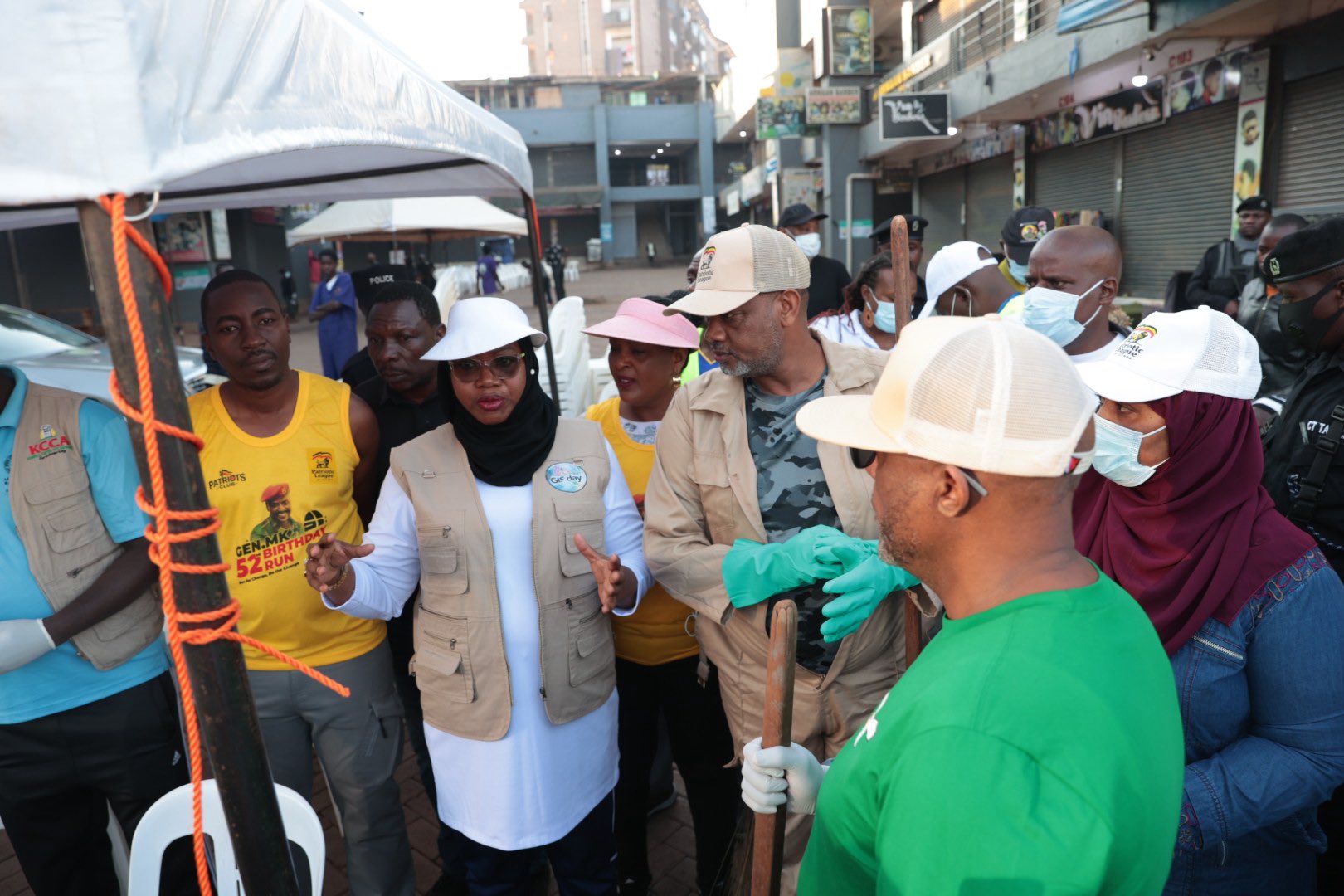
Kampala Capital City Authority (KCCA) Executive Director Sharifah Buzeki has also called for regular cleaning and desilting of drainage channels to improve the city’s capacity to handle stormwater.
Buzeki says removing accumulated rubbish, soil and other debris from drainage systems should be a routine exercise, particularly before and during the rainy seasons.
She notes that waiting until flooding occurs makes it more difficult and costly to respond to the damage.
However, Buzeki acknowledges that blocked drainage channels are only part of Kampala’s flooding problem.
She identifies construction along natural waterways, wetland encroachment, inadequate drainage infrastructure and increased surface runoff as other factors contributing to flooding in the city.
KCCA has previously identified poor garbage management and inadequate drainage among the major causes of flooding in Kampala.
Residents have been encouraged to dispose of waste properly and avoid dumping rubbish in drainage channels, while city authorities continue cleaning and maintaining existing drainage infrastructure.