By Lydia Kyomukama
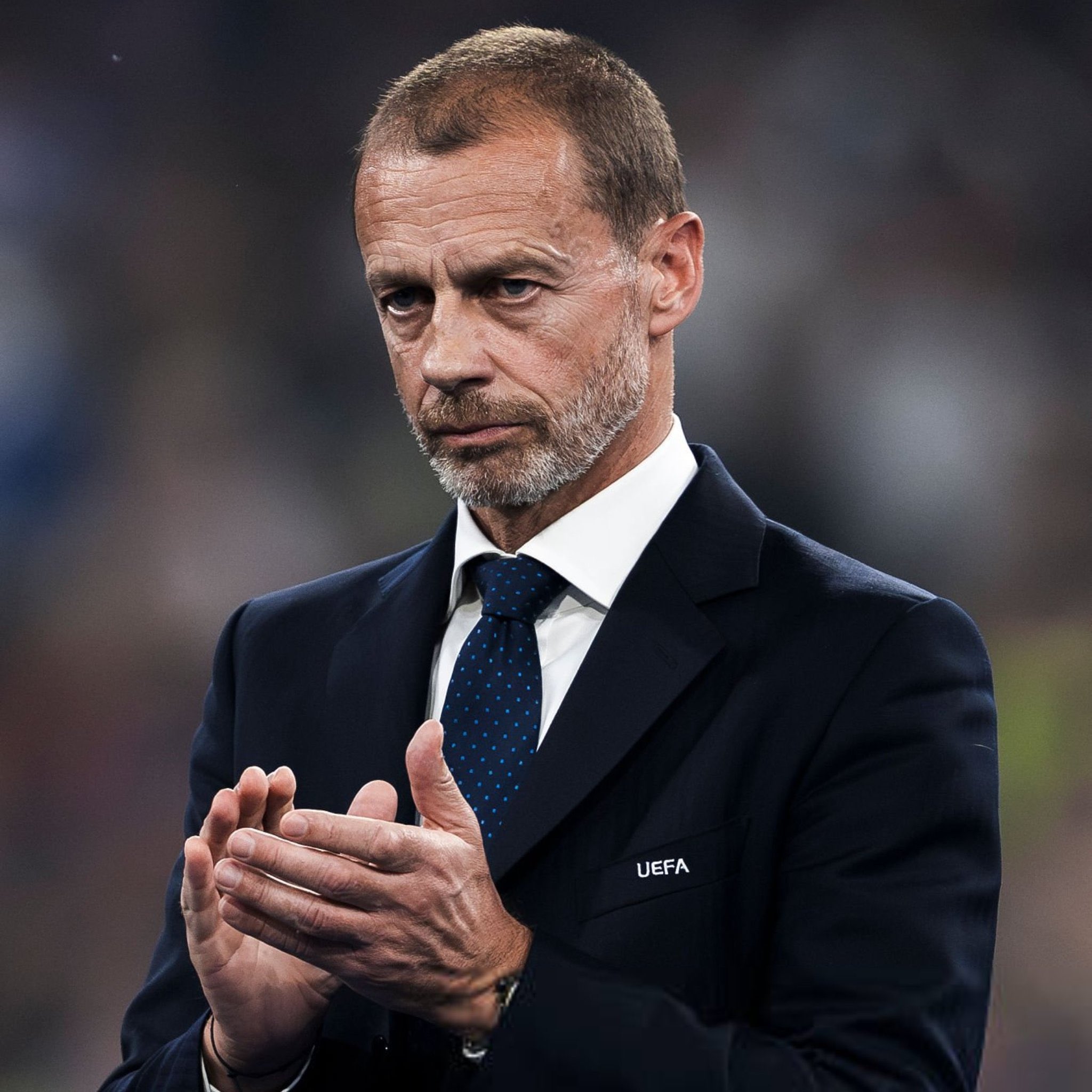
A group of nations set to feature at the FIFA World Cup has rejected comments attributed to UEFA President Aleksander Čeferin, who reportedly argued that the expanded tournament risks producing “uninteresting” games.
In a joint statement, Cape Verde, Curaçao, Uzbekistan, Congo, Haiti, Algeria, Tunisia, Morocco, Egypt, Ghana, Senegal, South Africa and Côte d’Ivoire said the remarks were disappointing and failed to respect the journeys of countries that have fought for a place on football’s biggest stage.
The statement comes amid debate over the expanded World Cup format, which has opened the door for more countries from Africa, Asia, the Caribbean and other regions to compete at the finals.
For some of the countries, qualification marks a first appearance at the tournament. For others, it represents a long-awaited return after years away from the global stage.
“We respectfully but firmly reject these comments,” the countries said.
“For our countries, there is no such thing as an unimportant World Cup match.”
The statement singled out Cape Verde, Curaçao and Uzbekistan, saying their qualification represents a historic achievement and the fulfilment of a dream shared across generations.
It also pointed to Congo and Haiti, whose return to the World Cup carries deep meaning for supporters who have waited years, and in some cases decades, to see their national teams back on the biggest stage.
“To suggest that these matches are somehow less important is deeply disappointing and fails to recognize the efforts, sacrifices and aspirations of players, coaches, clubs, football leaders and supporters across the world,” the statement added.
The countries said every qualification campaign is built on years of work, investment and sacrifice, with national teams carrying the pride of entire communities.
They argued that the strength of football lies in its reach beyond traditional powers, saying the World Cup remains the game’s greatest competition because it brings together different cultures, histories and football journeys.
“Football does not belong to a select group of nations. Its strength comes from its universality,” the statement said.
The nations further said participation at the World Cup is not only a sporting achievement, but a moment that inspires young players, accelerates football development and creates memories that last for generations.
They insisted that every country at the tournament earned its place through competition and deserves respect.
“Every team has earned its place on merit. Every supporter has the right to dream. Every match carries meaning for millions of people around the world,” the statement said.
The countries said the growth of football must continue to create opportunities for more nations and strengthen the global character of the game.
“Every team qualified on merit. Every match matters,” the statement concluded.