President Yoweri Museveni has opened the inaugural Uganda Cultural and Tourism Festival in Munich, Germany, with a call to preserve Uganda’s indigenous music, poetry and cultural memory.
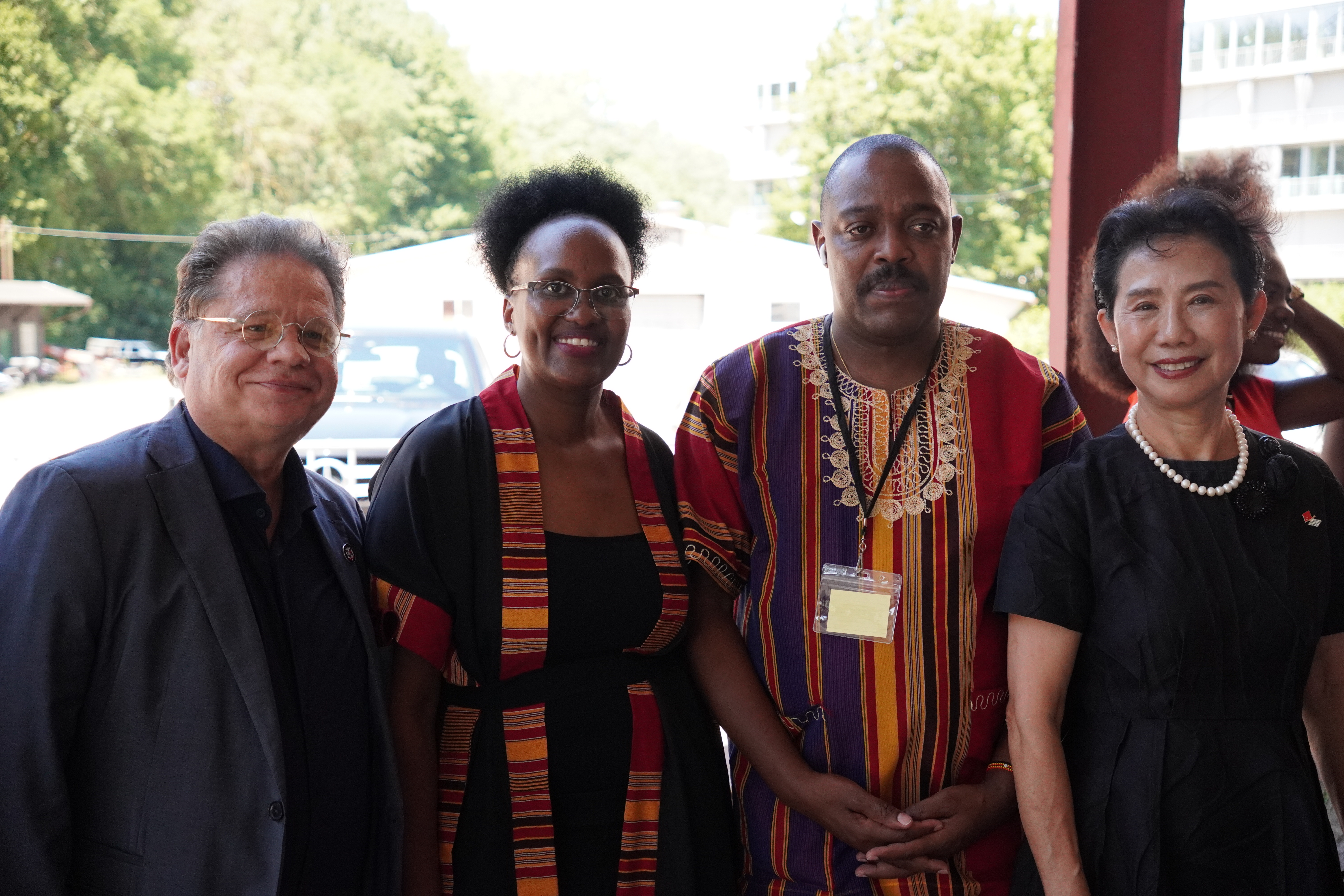
The three-day festival, which opened on Friday, June 26, 2026, brings together Ugandans in the diaspora, tourism players, investors and friends of Uganda to promote the country’s culture and tourism.
Museveni’s message was delivered by Mariam Ataho, the Presidential Assistant on Music and Cultural Affairs, who also shared selections from the President’s collection of indigenous songs and poems.
In his message, Museveni said the collection contains 127 items drawn largely from Banyankore-Bahororo traditions, which he placed within the wider culture of the Interlacustrine Bantu communities of the Great Lakes region.
He said some of the songs and poems were composed before colonial rule and carry stories about love, beauty, wealth creation, cattle, crops, drought, bush fires, tribal wars, politics and Uganda’s physical landscape.
Museveni also used the message to explain the old local names of major lakes in the region, saying Lake Victoria was known as Nalubaale, Lake Edward as Butuumbi, Lake Albert as Mwitanzigye and Lake George as Rweeru. He said the River Nile was known as Kiira, a name now carried by Uganda’s electric vehicle project, Kiira Motors.
The President said the songs were traditionally performed with instruments such as enaanga, endingyiri, engoma, omukuli and akakyenkye.
He said his interest in reviving the music was strengthened after he asked Ataho to perform one of the songs at the funeral of his aunt, known as Senga, and the performance was well received.
“Those who want good soothing tunes, you are at the right address with our collections,” Museveni said.
The President, however, said he had only authorised the publication of some of the tunes. He said he had asked Natasha Karugire to help audit the collection to remove sections carrying tribal chauvinism linked to the old divisions promoted by kings and chiefs.
“The Great Lakes had hard-working and brave communities. One of the weaknesses was our bankrupt kings that were promoting wars among us,” he said.
Museveni said the collection is also part of an effort to recover cultural material that was pushed aside by sections of early converts to Christianity and Islam, who dismissed indigenous songs as pagan.
He recalled that his mother, Esiteri Kokundeka, who joined Christianity in 1947 with Mzee Amosi Kaguta, rejected traditional tunes in favour of hymns.
He said that although he enjoyed hearing indigenous songs during beer parties at their kraal as a child, he could not join in because his mother opposed them.
Museveni said his suppressed interest in the music was revived in 1983 during the Luwero war, when Sgt Maga Kavuyo came to camp with an enaanga. He said she was allowed to form a group, later joined by his aunt and other traditional performers.
“When we came from the bush, we were joined by others, including Mzee Kirindi and his wife Kembuundu. Everybody who came resurrected something that was nearly lost,” he said.
He praised those who helped preserve the music, saying the collection carries a sound and history that should not be lost.
The Head of the State House Diaspora Unit, Mohammed Bagonza, said the festival is part of wider efforts to strengthen ties with Ugandans abroad and promote Uganda as the Pearl of Africa.
He urged Ugandans in the diaspora to remain united and support initiatives that market the country’s culture, tourism and investment opportunities.
The festival will feature cultural performances, tourism exhibitions, business networking and investment engagements aimed at deepening links between Uganda and its diaspora community in Europe.