The Uganda Human Rights Commission (UHRC) has said it takes the recent statement by the UN Office of the High Commissioner for Human Rights seriously, but cautions against broad characterisations that present Uganda as a country defined solely by repression or institutional failure.
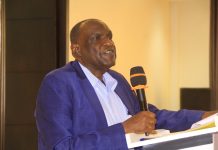
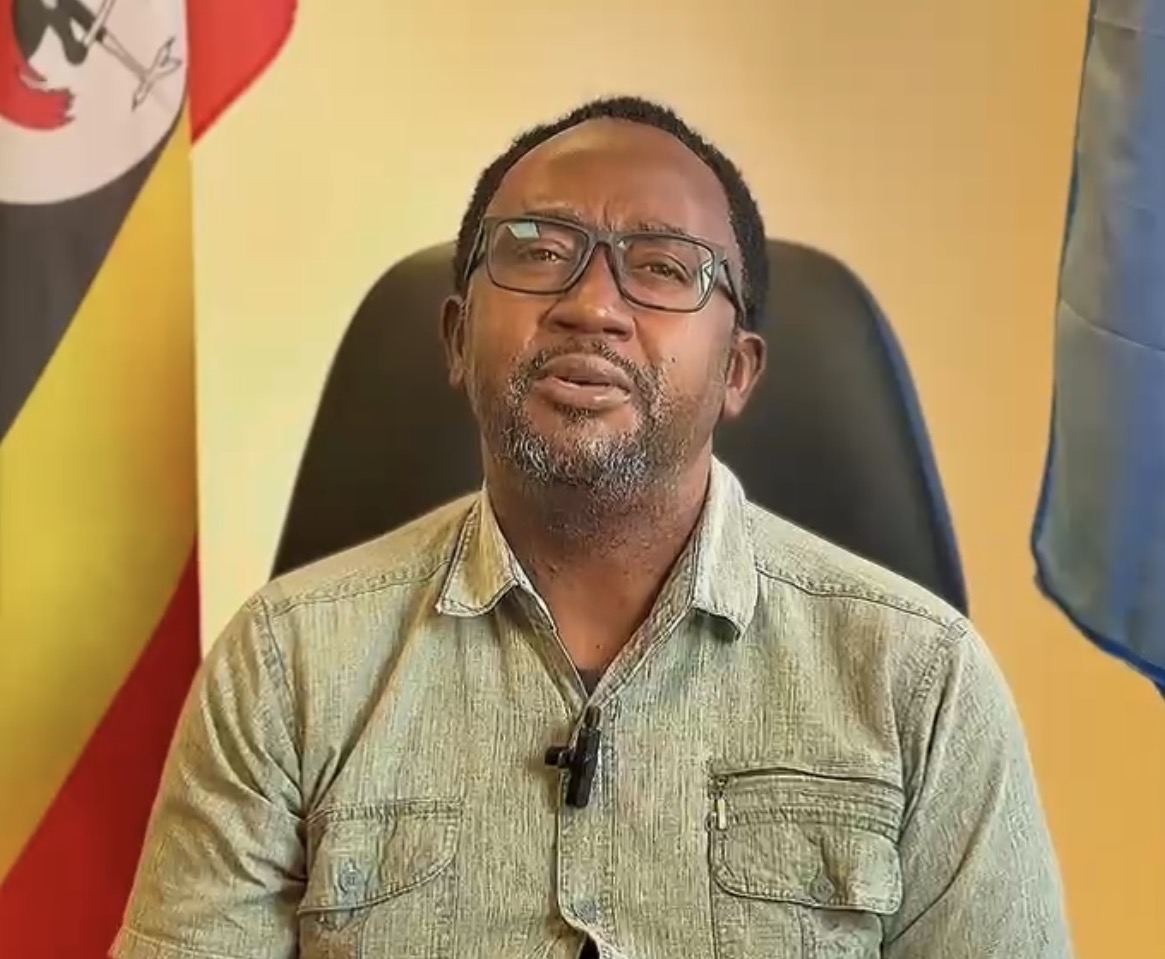
Uganda Human Rights Commissioner Crispin Kaheru says Uganda is a constitutional democracy with established institutions mandated to protect rights, uphold the rule of law, and provide remedies where violations occur.
“Uganda has a Constitution. It has independent courts, Parliament, the Uganda Human Rights Commission, and other accountability institutions that receive complaints, investigate allegations, and provide avenues for redress. These institutions should not be ignored when assessing the country’s human rights landscape.”
Commissioner Kaheru says credible allegations of human rights violations should always be investigated and determined on the basis of evidence, due process, and the law—not transformed into sweeping conclusions about an entire nation.
“No country has a perfect human rights record. Every society grapples with balancing security, public order, political competition, and fundamental freedoms. The real test is whether institutions exist to confront those challenges, correct abuses where they occur, and strengthen accountability. Uganda has those institutions, and they continue to function.”
The Commission says it remains committed to constructive engagement with regional and international human rights mechanisms but stresses that assessments of Uganda must be balanced, factual, and evidence-based.
“A credible assessment must recognise both the challenges and the progress; both the violations and the remedies; both the pressures and the institutions working to address them. Any assessment that overlooks Uganda’s constitutional framework and accountability mechanisms risks presenting an incomplete picture of the country’s human rights reality.”