By Robert Bwaita
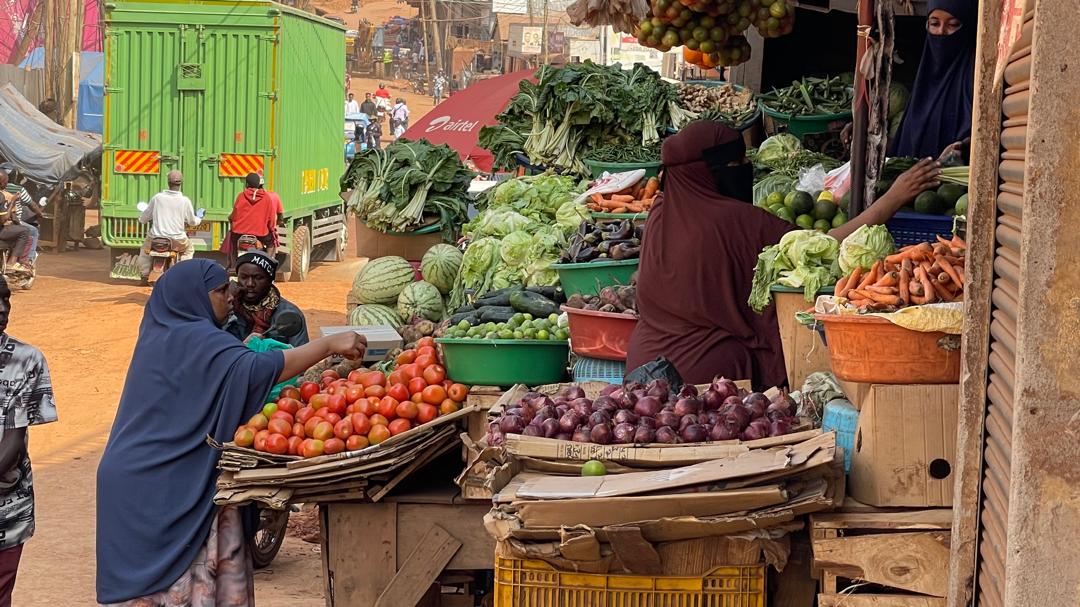
Across the narrow streets of Kisenyi, where the sounds of traders, motorcycles and customers blend into the rhythm of everyday life, a different story of migration is unfolding. It is not a story of camps or dependency. It is a story of resilience, entrepreneurship and shared prosperity.
For thousands of refugees who have settled in Kampala, Uganda has become more than a place of safety. It has become a place where dreams interrupted by war are being rebuilt through hard work, enterprise and coexistence with host communities.
While refugees are often portrayed through images of humanitarian aid, food distributions and displacement camps, thousands are instead rebuilding their lives through entrepreneurship.
Across Kampala’s bustling neighbourhoods—from Kisenyi and Old Kampala to Kabalagala and Zzana—refugees are opening supermarkets, restaurants, printing businesses, washing bays, salons, tailoring shops, pharmacies, money transfer services and wholesale stores.
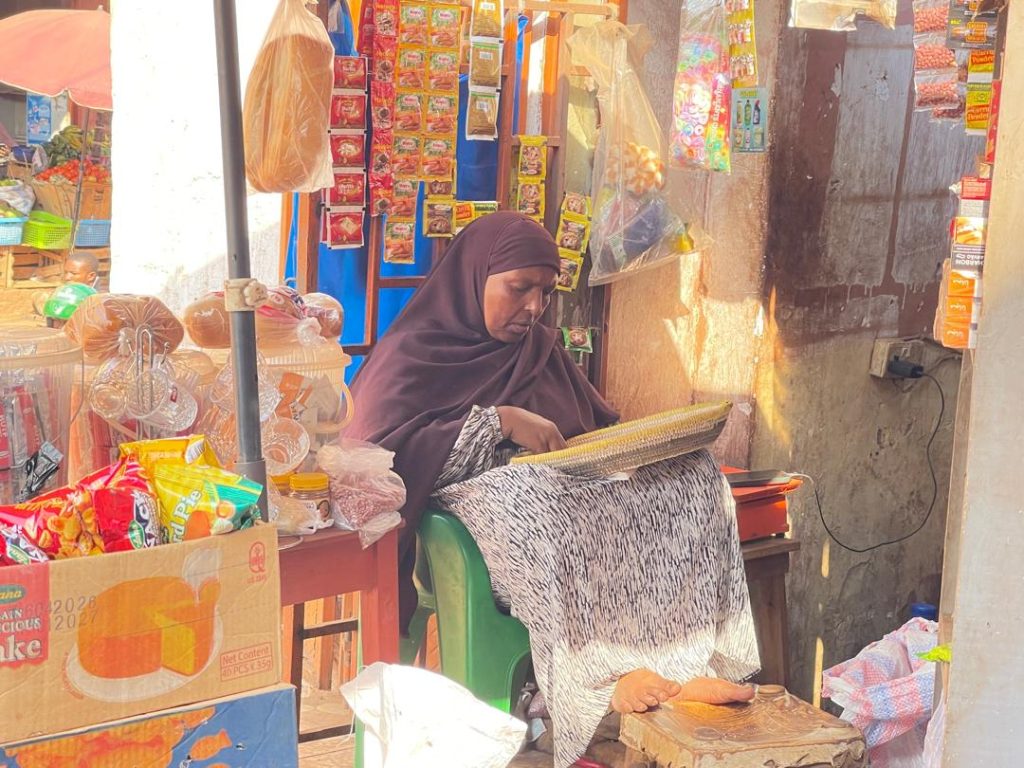
Inside a tiny grocery shop tucked between narrow alleyways in Kasaato Village, Mengo-Kisenyi II Parish, 54-year-old Somali refugee Fatuma Mohamand carefully arranges loaves of bread, bars of soap and packets of sugar before unlocking her door.
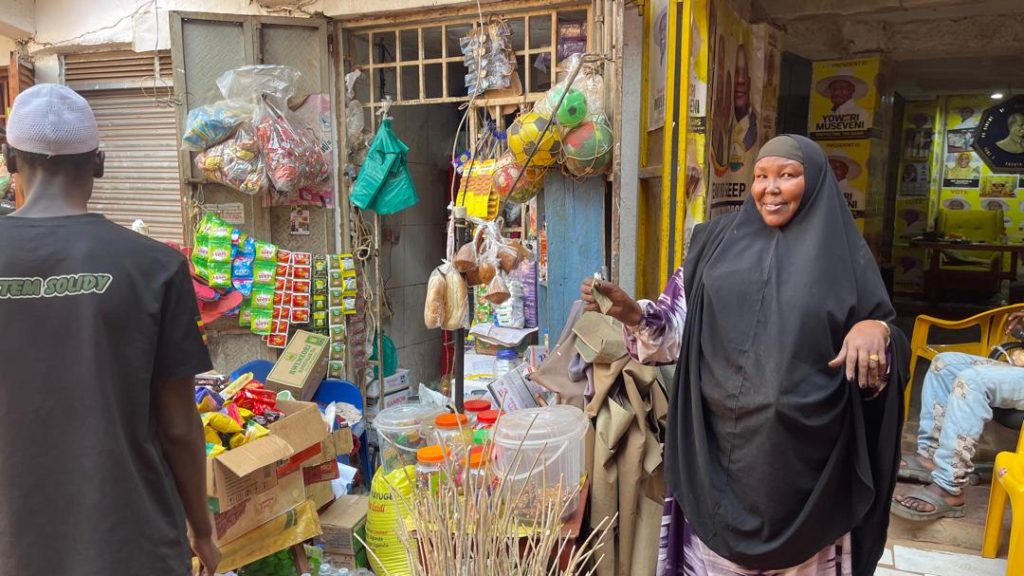
When civil war forced Fatuma Mohamand to flee Somalia in 2008, she left behind more than her home.
She lost the life she had known, uncertain whether she would ever rebuild it again.
After arriving in Uganda as a refugee, she settled in Kasaato Village in Mengo Kisenyi II Parish. Starting life from scratch was difficult. With only a small amount of capital, she opened a modest retail shop selling everyday household items.
Today, the tiny shop has become the heartbeat of her family’s survival.
“I had no business. I had no customers. I had no certainty. Using small savings; I stocked a handful of household essentials. The shelves were almost empty. Yet every sale represented something larger than income. It represented independence. Today my modest retail shop serves both refugees and Ugandans.”
Twenty-seven-year-old Anab Yislam Yaasin hardly pauses between customers.
His business, Kisenyi Printing and Photos, has become a vital service for thousands living around the city centre.
One needs passport photographs.
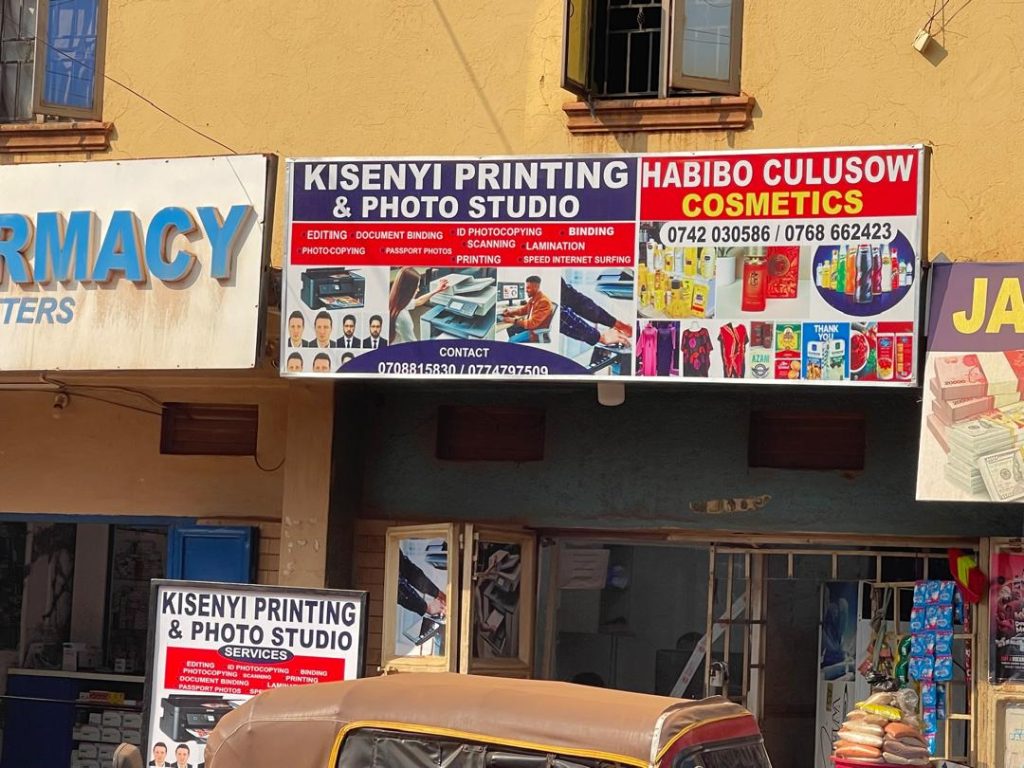
Some customers want examination documents printed university students go to the shop for photocopies while job applicants require CVs.
Like Fatuma, Anab Yislam Yaasin’s story began not with business—but with displacement.
Forced to leave Somalia, he arrived in Uganda with no certainty about the future.
Instead of waiting indefinitely for humanitarian support, he invested in a small printer.
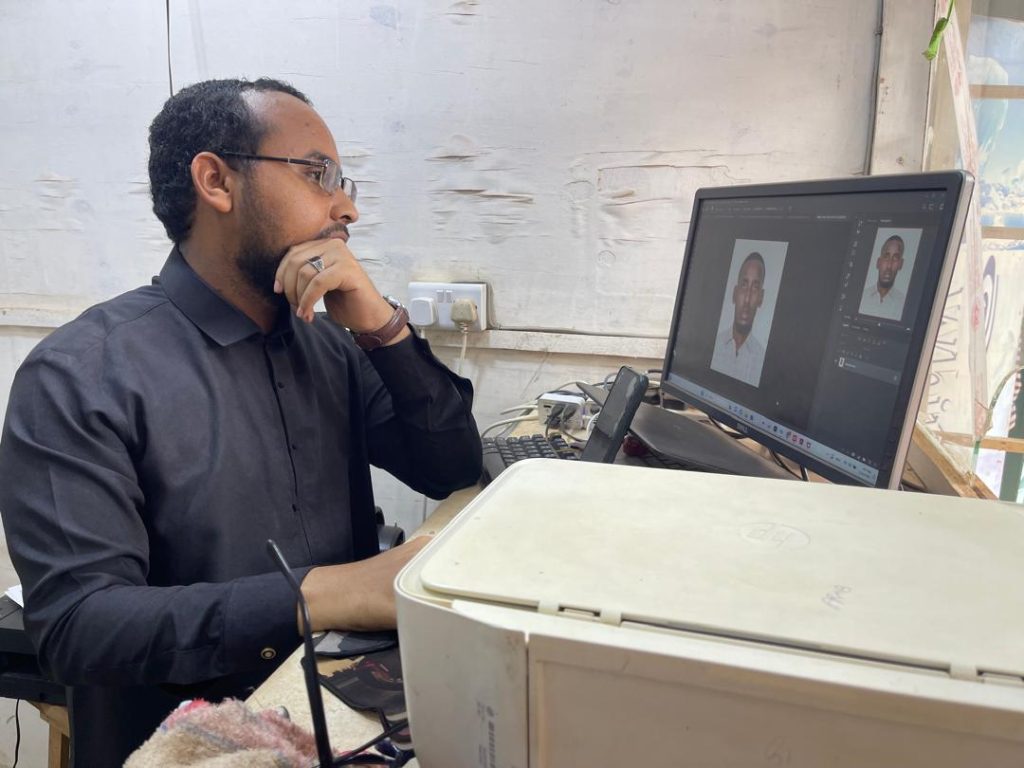
That single machine changed his life.
Anab Yislam narrated, “Business has given me dignity. When I arrived, I had nothing. Today I wake up every morning knowing that I earn my income through my own work.my customers do not distinguish between nationalities. They come because they trust the quality of my work.”
For Anab, entrepreneurship has become a bridge connecting refugees and host communities.
Every transaction is a reminder that economic integration often begins with ordinary daily interactions between neighbours.
His story also highlights the growing contribution of young refugee entrepreneurs in Uganda’s urban economy.
Among the busiest traders along Kisenyi Road is Amina Abidi, a mother of five whose determination has transformed years of hardship into stability.
Twenty-five years ago, conflict in Somalia forced her to seek refuge in Uganda.
Like countless displaced families across the region, she arrived carrying little more than hope.
Today, her thriving business dealing in second-hand household items stretches across t Kakanjo and Kiganda villages in Kisenyi .
Many of the products in her shop among them used mattresses, beds, refrigerators, clothing and household furniture come from refugees and immigrants relocating to Europe, North America and other destinations.
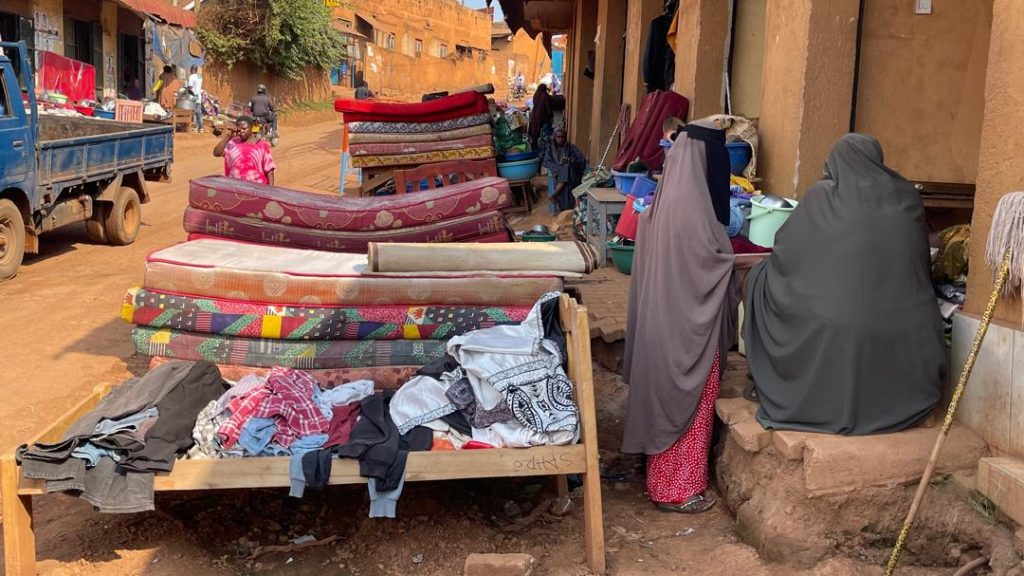
Instead of allowing these goods go to waste, Amina buys, refurbishes and resells them to customers looking for affordable household items.
My business has become an important link in Kampala’s circular economy. More importantly, it has become a source of employment. I employ three Ugandan girls. They work with me every day, and together we serve all kinds of customers. My earnings have enabled me to rent a home, educate all my five children and consistently pay taxes. ,” she says proudly.
Breaking stereotypes
Refugees are often portrayed as people dependent on humanitarian assistance. Yet in Kisenyi, that stereotype fades quickly. The neighbourhood tells a different story.
Refugees rent houses from Ugandan landlords, buy goods from Ugandan wholesalers, employ Ugandan workers, serve Ugandan customers and pay taxes and business licences.
Their businesses contribute to the local economy alongside those owned by Ugandan nationals.
This everyday interaction demonstrates how human mobility can strengthen social cohesion rather than weaken it.
The businesses owned by Fatuma, Anab and Amina have become spaces where nationality matters less than service, reliability and shared economic opportunity.
The economic impact extends beyond individual businesses.
Sunday Nkoyoyo, a Ugandan landlord and Local Council Chairperson of Kasaato Village, has watched the neighbourhood transform over the years.

Many of his commercial buildings are occupied by refugees from Somalia, Eritrea and Ethiopia.
According to Nkoyoyo, refugee businesses have reduced vacancies while increasing commercial activity.
Nkoyoyo said, “Refugee restaurant owners purchase vegetables from Ugandan farmers, retailers source goods from Ugandan wholesalers. Transport operators earn income moving merchandise. Casual laborers secure employment loading and unloading deliveries. Refugees have helped this community grow. They invest and create business and employment opportunities.”
Kasaato Village Village Secretary Celine Nakintu agrees with Nkoyoyo.
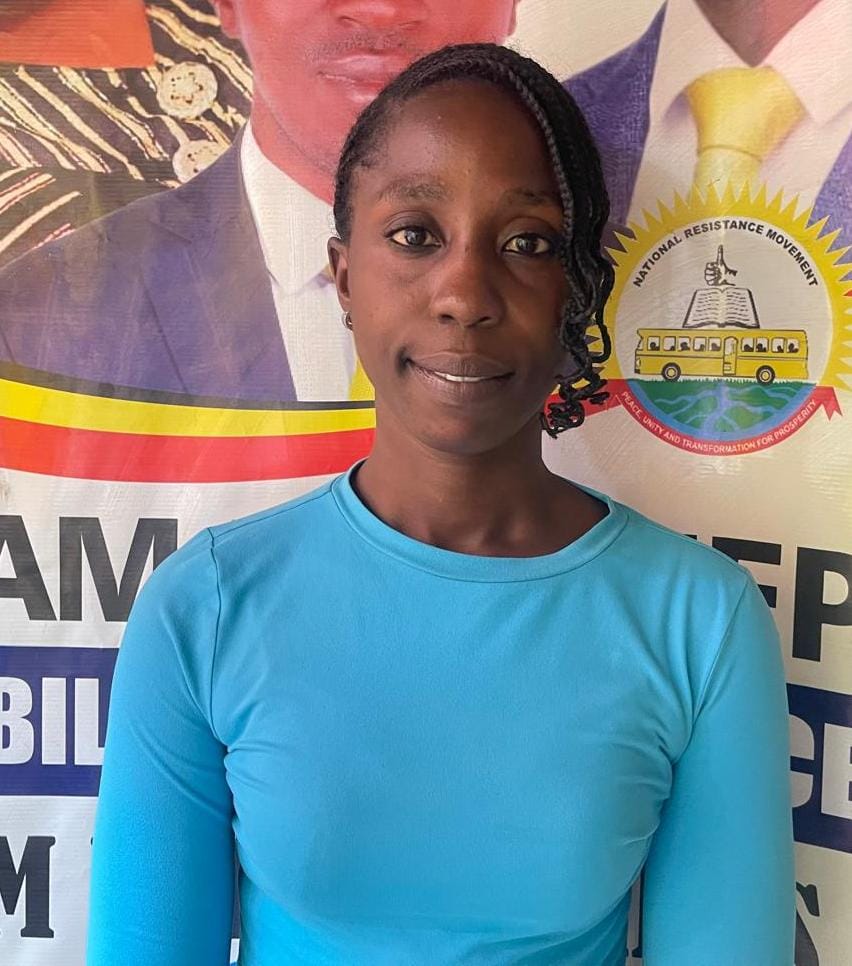
She says refugee-owned businesses now employ many Ugandan residents while expanding trade throughout Kisenyi.
Nakintu emphasizes, “They are not waiting for handouts. They are investing. They are creating jobs. They are helping this community.”
City leaders believe that supporting refugee entrepreneurship while strengthening public services will continue to promote peaceful coexistence and economic growth, reinforcing Kampala’s position as a regional commercial hub where both refugees and host communities can thrive together.
Uganda’s refugee model
Uganda remains internationally recognised for its progressive refugee policies, allowing refugees freedom of movement, the right to work and the opportunity to establish businesses.
These rights enable displaced people to become productive members of society instead of remaining dependent on aid.
Across Kampala, refugee-owned enterprises contribute to local markets by creating employment, increasing consumer choice and stimulating trade.
Their presence reflects the broader regional aspirations promoted by Inter Government Authority IGAD, where safe mobility, decent work and economic inclusion are viewed as essential foundations for lasting peace and development.
The experiences of the three Somali entrepreneurs demonstrate that integration is not merely a policy discussed in conference halls.
It happens in neighbourhood shops, printing businesses and local markets where refugees and host communities work together every day.
According to the Office of the Prime Minister, Uganda hosts more than two million refugees and asylum seekers, making it Africa’s largest refugee-hosting nation.
Unlike many countries where refugees remain confined to camps, Uganda grants recognised refugees freedom of movement, the right to work, access to education and healthcare, and the opportunity to establish businesses under the Refugees Act, 2006, and Refugee Regulations, 2010.
Permanent Secretary Office of the Prime Minister Alex Kakooza says this policy deliberately promotes dignity rather than dependency.
Kakooza noted, “Our refugee policy is founded on dignity, inclusion and self-reliance. Our goal is to ensure refugees become productive members of society who contribute to national development while living peacefully alongside their host communities. That is the future Uganda is building.”
He says refugee businesses now contribute across agriculture, retail, transport, hospitality, manufacturing and services while creating employment for Ugandans.
Despite the achievements, Kakooza acknowledged that inadequate financing, limited access to affordable credit, climate shocks, infrastructure gaps and increasing pressure on natural resources remain significant challenges to refugee economic independence.
He said the government’s long-term vision is to deepen economic inclusion by attracting greater private sector investment, expanding access to finance and skills training, promoting digital innovation and creating more employment opportunities in refugee-hosting districts.
Human mobility beyond statistics
Migration is often discussed through numbers that is two million refugees, thousands of businesses and millions of dollars in humanitarian assistance.
But statistics alone cannot explain integration.
Integration happens quietly in neighborhood shops, rented buildings and shared workplaces. It happens In restaurants where languages mix around one table.
These ordinary exchanges create extraordinary outcomes.
They reduce prejudice, strengthen local economies, build trust and demonstrate that human mobility can become an investment rather than a crisis.
Kampala Central Division: The Heart of Urban Refugee Entrepreneurship
The transformation taking place in neighbourhoods such as Kisenyi, Old Kampala and Mengo is also evident in the wider economic landscape of Kampala Central Division.
According to Kampala Central Division Mayor Salim Uhuru, the division has become the leading destination for refugees seeking economic opportunities, with many choosing to establish businesses and integrate into the city’s commercial life rather than depend on humanitarian assistance.
Uhuru explains that the Central Division hosts the largest concentration of urban refugees in Kampala because of its vibrant business environment, accessible markets and opportunities for self-employment.
“Many refugees who come to Kampala choose to settle in the Central Division because this is where business opportunities are concentrated. They are opening shops, restaurants, salons, tailoring businesses, money transfer services and other small enterprises that contribute to the local economy. We have seen refugees integrate well into our communities. They rent business premises, pay taxes and trading license fees where applicable, employ people and contribute to the growth of commerce. Their presence has added diversity to the city’s economy,” said Uhuru.
He says the presence of refugee entrepreneurs has transformed many commercial areas, particularly Kisenyi, where businesses owned by Somalis, Eritreans, South Sudanese, Ethiopians, Congolese and other refugee communities operate alongside those of Ugandan traders.
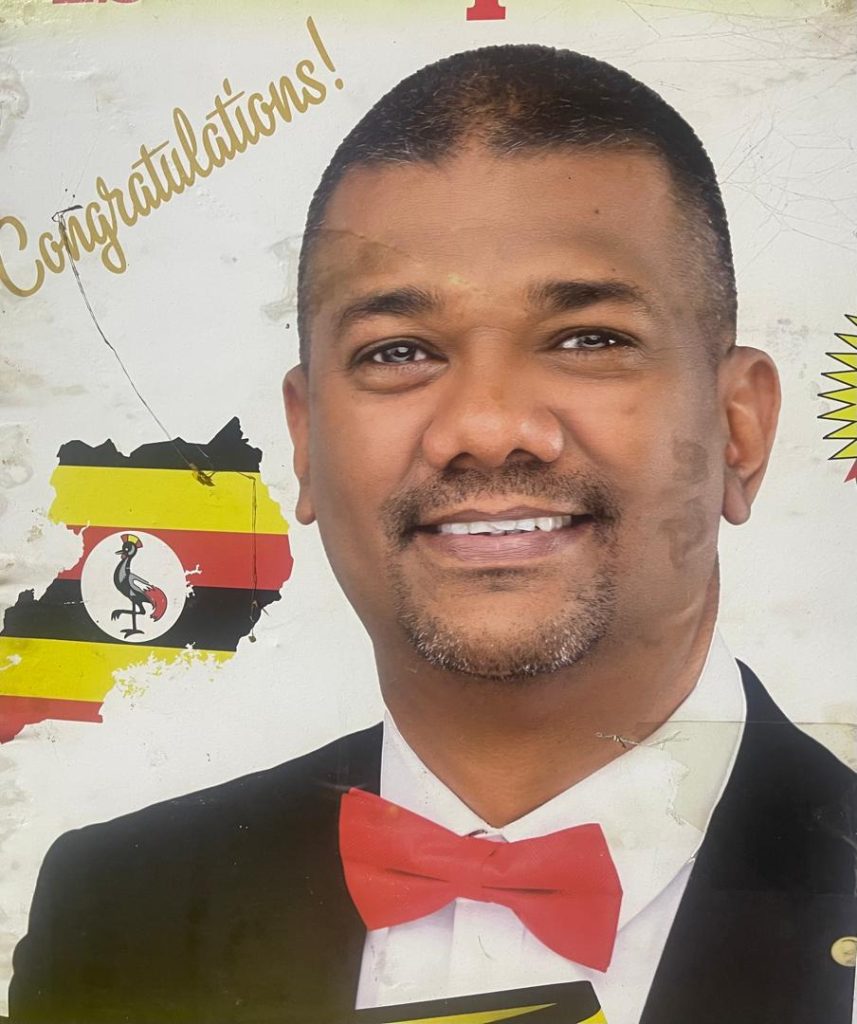
Far from competing with local businesses, Uhuru says many refugee-owned enterprises have expanded economic activity by creating new markets, renting commercial premises, purchasing goods from Ugandan suppliers and employing local residents.
For the mayor, the story unfolding across Central Division reflects Uganda’s broader refugee policy—one that sees displaced people not simply as beneficiaries of humanitarian assistance but as active contributors to economic growth and urban development.
He emphasized that Kampala’s welcoming environment has enabled refugees from countries such as South Sudan, the Democratic Republic of Congo, Sudan, Somalia, Eritrea, Ethiopia and Burundi to rebuild their lives through entrepreneurship.
Uhuru echoed “Our role as city leaders is to ensure that everyone living and doing business in Kampala coexists peacefully while complying with the laws governing trade and public order. Refugees who engage in legitimate businesses deserve the opportunity to earn a living with dignity.”
He, however, acknowledged that rapid urbanization presents challenges, including pressure on markets, housing, sanitation and other public services.
Uhuru called for stronger collaboration between the Government, Kampala Capital City Authority, development partners and humanitarian organizations to improve services for both refugees and host communities.
“The increasing urban refugee population requires coordinated planning. Investments in infrastructure, skills development and access to finance will benefit both refugees and Ugandans living in the city,” he said.
As Kampala continues to grow as East Africa’s commercial hub, Uhuru believes the success of refugee entrepreneurs demonstrates how inclusion can strengthen local economies and promote peaceful coexistence between host communities and displaced populations.
More than survival
Today, Uganda hosts more than two million refugees and asylum seekers, mainly from South Sudan, the Democratic Republic of the Congo, Sudan, Somalia, Eritrea and other neighbouring countries.
Many have become entrepreneurs, employers and taxpayers, contributing to local economies across Kampala and refugee-hosting districts.
The stories emerging from Kisenyi offer one possible answer they are an indication that protection creates stability and Inclusion creates prosperity.
For refugees Fatuma, Anab and Amina, Uganda became the place where those three elements came together.
Their businesses now support families, employ Ugandans, generate income and strengthen local commerce.
They are living proof that refugees are not simply recipients of assistance but active participants in building stronger, more inclusive economies.
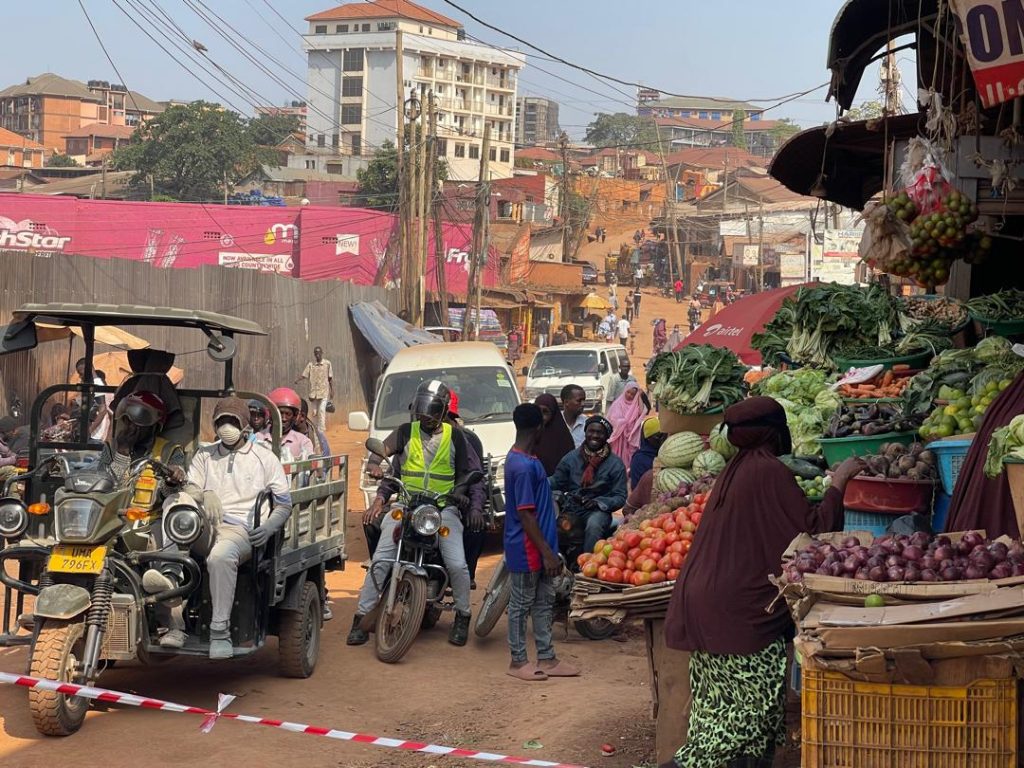
As the IGAD region advances the vision of free movement, decent work and regional integration, the lives of these enterprising refugees remind us that behind every migration statistic is a human being with skills, determination and dreams.
The true measure of successful integration is not only how many people crossed a border safely, but how many were able to rebuild their lives with dignity while contributing to the communities that welcomed them.