By Samuel Ssenono
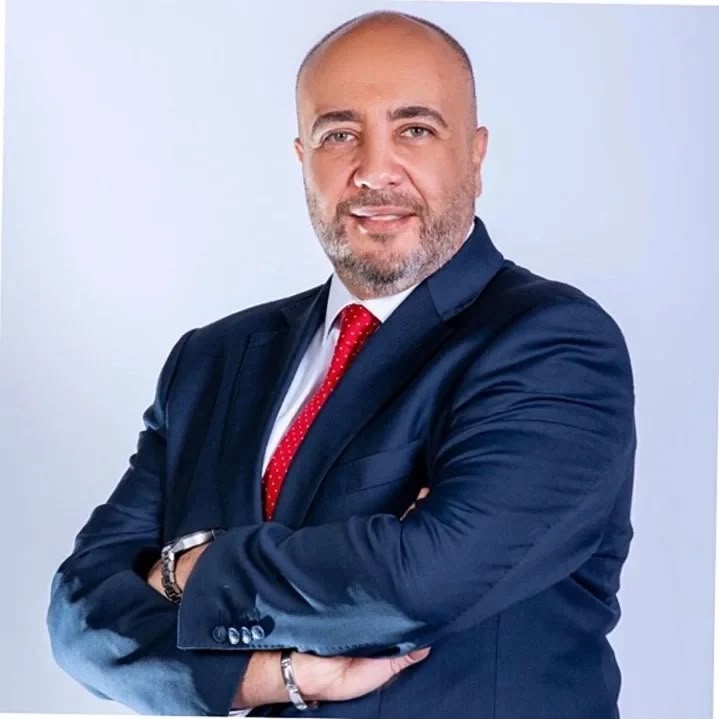
Captain George Kamal has explained that he left the top job at Kenya Airways to care for his mother after she was diagnosed with cancer.
Speaking on the sidelines of the Aviation Africa Summit 2026 in Nairobi, Kamal said he tendered his resignation in July after realising there was no one else available to take care of her.
“I had to look after my mother, who was diagnosed with cancer. I had no one to look after her, so I had to inform the board,” Kamal said.
Kenya Airways announced his departure on September 1, citing personal reasons. Kamal remains with the airline during the transition period and is due to formally leave on September 30.
The airline has appointed Habil Waswani, currently Company Secretary and Director of Legal Services and Regulatory Compliance, as Acting Group Managing Director and Chief Executive Officer effective September 15. The board is continuing the search for a substantive CEO.
Kamal had served as Acting Group Managing Director and CEO since December 16, 2025, after succeeding Allan Kilavuka. Before that, he was Kenya Airways Chief Operating Officer.
Aviation Africa 2026 has brought together airlines, aircraft manufacturers, regulators, airports, maintenance providers and other industry players to discuss the challenges facing the continent’s aviation sector and how to support future growth.
Kamal urges continuity at KQ
Kamal said the incoming leadership should continue with the airline’s current strategy.
“I urge my successor to continue on the same path rather than start again,” he said. “I’m very impressed with what we’ve achieved. Some are internal and others are visible.”
He said Kenya Airways is expected to move into a growth phase within the next six months.
“We can’t stay in stabilisation. Within the next six months, we shall start with growth,” he said.
Kamal said the airline’s strategy had been designed to continue through leadership changes.
“We have a strategy and it’s not hinged on a CEO. Even if I’m leaving, this will continue,” he said.
Kenya Airways reported a pre-tax loss of KSh15.92 billion, approximately UGX 465.3 billion, for the first half of 2026, compared with KSh12.17 billion over the same period last year.
The carrier has also faced aircraft maintenance delays, shortages of spare parts and higher fuel costs while seeking fresh capital and a strategic investor.
Asked by Aviation Africa Chairman Alan Peaford about his next move, Kamal said he was heading to Cairo, although he did not say what role he would take up.
African airlines urged to pool resources
Kamal used the summit to call for closer cooperation among African airlines, particularly in maintenance, training and access to spare parts.
“If we try to consolidate our airlines in the many African countries, we shouldn’t be scared of each other,” he said.
He said African carriers should look at ways of retaining more technical work and aviation spending on the continent.
“Can we maintain our resources here instead of importing them from abroad? To me, this is better than the alliances,” he said.
Kamal said airlines could share maintenance, engineering, training and spare parts capacity across different African markets.
Call for an African pool of aircraft spares
Kamal proposed the creation of an African pool of aircraft spares to improve access to components and reduce delays.
“If I have Kenya doing heavy maintenance, Ethiopian engines, Morocco paint, we won’t have a shortage,” he said.
He said African airlines often struggle when critical parts and engines are in short supply because larger carriers with stronger financial resources can secure limited components more quickly.
Kenya Airways has also been affected by shortages of spare parts and maintenance delays, which have reduced the number of aircraft available for operations.
Delays in securing engines and other components can keep aircraft grounded for longer periods, affecting schedules and available capacity.
Kamal said a shared pool of spares could help African airlines reduce aircraft-on-ground time and improve fleet availability.
Training engineers in Africa
Kamal also called for more aviation training to be carried out on the continent.
He said plans are being considered for an aviation training school in Kenya in partnership with Kenya Airways.
The school would provide some of the training currently undertaken overseas at a lower cost.
Kamal said locally trained engineers could also gain experience with major aircraft manufacturers and other established aviation companies.
He said building more training, maintenance and engineering capacity in Africa would help airlines reduce costs, improve access to technical skills and keep more aviation expenditure within the continent.