By Joseph Mary Buwule
The Ministry of Gender, Labour and Social Development has launched the National Child Disability Assistance Programme (NCDAP), a government-led initiative aimed at providing social protection and comprehensive support to children with severe disabilities and their families.
The programme is being piloted in 25 districts as part of efforts to generate evidence and lessons that will guide a possible national rollout of the intervention.
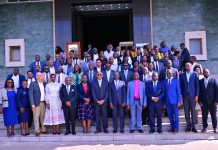
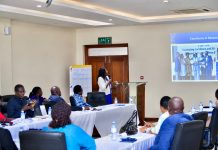
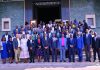
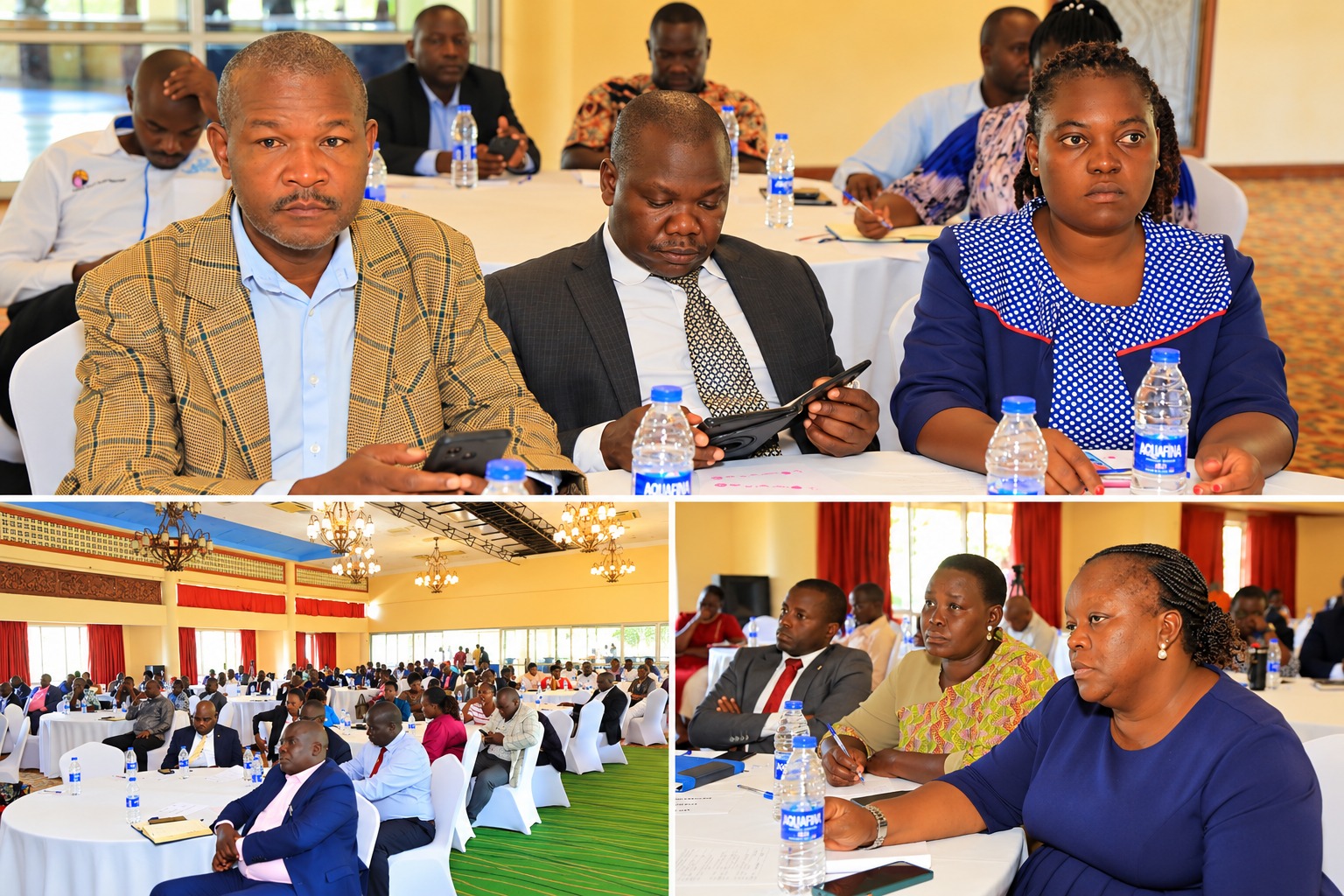
The orientation of local government leaders on the programme was held at Golf Course Hotel in Kampala, bringing together district leaders and officials responsible for implementing the initiative at community level.
The Ministry is coordinating the programme in collaboration with UNICEF Uganda, with the pilot expected to strengthen Uganda’s disability-inclusive social protection system.
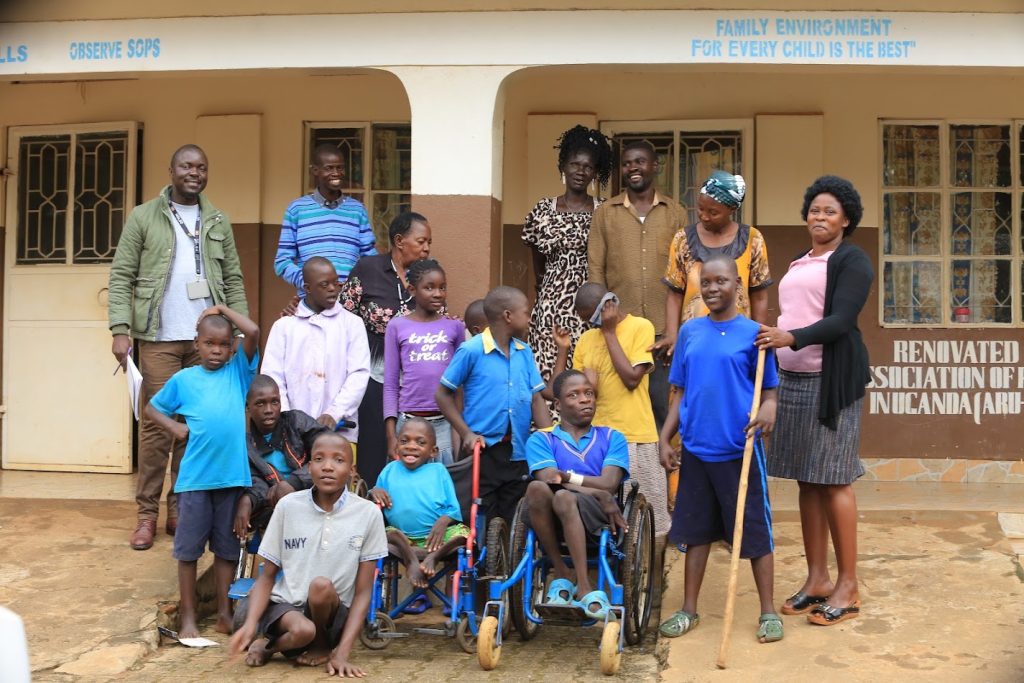
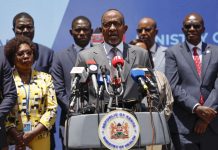
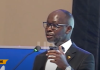
Speaking during the orientation, Commissioner for Disability Prosper Muhumuza said the programme is intended to address the significant challenges faced by families caring for children with severe disabilities.
Muhumuza noted that many parents and caregivers spend most of their time providing care to children with severe disabilities, limiting their ability to engage in productive economic activities.
He said the situation has sometimes resulted in desperate and harmful coping practices, with some families hiding children with disabilities in homes or restricting their movement because of poverty, stigma, lack of knowledge and limited access to support services.
According to Muhumuza, such practices should not simply be viewed as deliberate neglect because many families are acting out of desperation and a lack of empowerment.
“It’s out of despair. It’s out of lack of knowledge. It’s out of lack of empowerment,” Muhumuza said.
He explained that the government’s responsibility is to ensure that families receive the knowledge, services and support they need to care for children with disabilities while enabling the children to develop their abilities and participate meaningfully in society.
Building capacity at local government level
Muhumuza said the programme will strengthen the capacity of Uganda’s local government structures to identify children with disabilities, understand different forms of disability and connect affected families to appropriate services.
The initiative is expected to work through structures at parish, sub-county and district levels, with the aim of ensuring that children with severe disabilities are identified early and assessed according to their individual needs.
The programme will involve local government leaders, including LC5 chairpersons in the participating districts, Chief Administrative Officers, Community Development Officers and District Health Officers.
Muhumuza said the government wants communities to change the way they perceive disability.
He urged families and communities not to regard disability as a curse or as a condition that automatically prevents a child from becoming productive.
Instead, he said, disability should be approached as an impairment that can, where possible, be habilitated or rehabilitated through appropriate medical, social and community-based interventions.
He cited children with conditions such as Down syndrome and hydrocephalus as examples, noting that children should be assessed according to their individual needs and supported to develop their abilities.
For children with hydrocephalus, for example, Muhumuza said families can be guided towards appropriate medical services and supported with home-based care and rehabilitation.
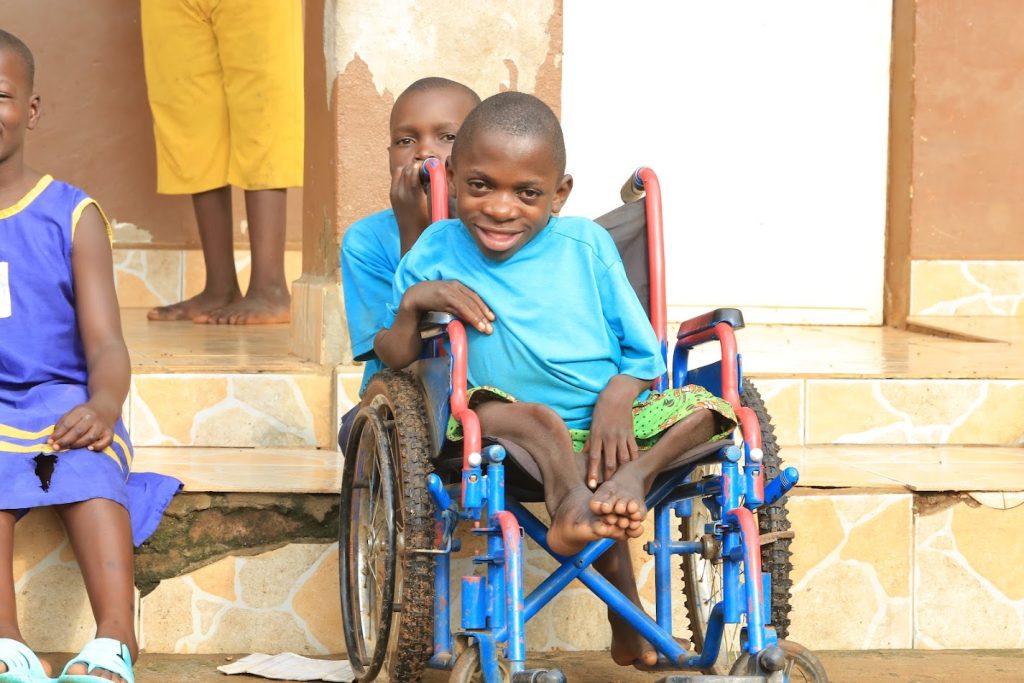
Five categories of support
Under the programme, the government plans to provide a “360-degree” package of support to children with severe disabilities and their caregivers.
Muhumuza explained that the programme will establish screening mechanisms at parish level, using existing Ministry of Health structures.
Parish chiefs and community-based rehabilitation workers will participate in identifying and screening children who may require assistance.
Children identified through the screening process will then be referred to Health Centre III facilities for further assessment.
Following assessment, children are expected to fall into different categories depending on the type and level of support required.
The first category will involve children who require surgical interventions. The government will work with relevant stakeholders to facilitate referrals for children who need surgery.
The second category will include children who require assistive devices, such as wheelchairs and hearing aids. Families will be guided on where to access the appropriate devices.
The third category will involve children whose primary need is parent and caregiver empowerment. Parents will receive information, mentoring and guidance on rehabilitation and care that can be provided at home.
Such families may also be connected to parent support groups to strengthen peer support and access to information.
The fourth category will include children requiring advanced medical examinations and investigations. These children may be referred to regional referral hospitals or other facilities with specialised equipment and expertise.
The fifth category will focus on children with extreme support needs and high levels of vulnerability, including some children who are total orphans and require full-time assistance.
Muhumuza explained that some children may be unable to see, hear, speak, feed themselves, bathe themselves or move independently and therefore require continuous support from parents or caregivers.
Monthly disability grant
One of the major components of the programme will be a child disability grant for families caring for children with extreme support needs.
Muhumuza said the programme could assess approximately 40,000 children, although only a smaller proportion would qualify for the grant based on the severity of their impairment, vulnerability and level of support required.
He estimated that approximately 5,000 children could eventually qualify for the grant under the pilot arrangements.
Eligible families will receive Shs100,000 per month to help them meet some of the costs associated with caring for children with severe disabilities and accessing other services.
The grant is intended to complement other forms of support rather than operate as a stand-alone intervention.
Long-term government programme
Muhumuza emphasized that the NCDAP is not intended to be a short-term project.
He said the programme is included in the government’s current budget and is designed as a long-term government intervention.
However, beneficiaries may eventually graduate from the programme when their circumstances improve.
He explained that children enrolled in the programme could be monitored over a period of approximately three to five years to determine whether their condition and level of independence have improved.
For example, a child enrolled because of a condition such as hydrocephalus could receive medical treatment, home-based rehabilitation and caregiver support. If the child’s condition improves sufficiently, the family could eventually graduate from the programme, allowing support to reach other children with severe needs.
Muhumuza said the programme would therefore remain in place while beneficiaries would be assessed periodically to determine whether they still require assistance.
UNICEF backs government-led approach
UNICEF Uganda Country Representative Robin Nandy welcomed the programme, describing it as an important step towards institutionalising government support for children with disabilities.
Nandy said the programme reflects Uganda’s obligations under the Convention on the Rights of the Child, particularly Article 23, which addresses the rights of children with disabilities.
He said the ultimate objective should be to ensure that children with disabilities live full and dignified lives, become as self-reliant as possible and participate productively in society.
Nandy emphasized that the programme should not be viewed as a UNICEF project but as a government-owned and government-led programme intended to become part of Uganda’s national social protection system.
“This is not a UN project, not a UNICEF project. It is a government-owned and government-led project,” Nandy said.
He said UNICEF would continue supporting the Ministry of Gender, Labour and Social Development as the programme develops.
Barriers extend beyond disability
Nandy said many children with disabilities continue to face barriers that are not necessarily caused by their impairments.
These include inaccessible services, stigma, discrimination, poverty and gaps within existing systems.
He cited an estimate that approximately 1.7 million children aged between two and 17 years in Uganda experience functional difficulties, while the overwhelming majority have historically received little or no social protection support.
The NCDAP, he said, is designed to respond to this situation through a cash-plus approach.
Under this model, financial assistance will be combined with identification, assessment, caregiver support and referrals to health, rehabilitation, education, child protection and assistive technology services.
Five principles for implementation
As the programme moves into the pilot phase, Nandy outlined five principles that should guide implementation.
The first is objectivity. Eligibility decisions should be based on clear and consistent criteria and competent assessments.
The second is transparency. Families and communities should understand how beneficiaries are selected and how decisions are made.
The third is commitment. Every institution and official involved in the programme should fulfil their agreed responsibilities.
The fourth is the need for strong systems, including registration, data protection, payments, referrals, case management, monitoring and grievance-handling mechanisms.
The fifth principle is empathy.
Nandy said every interaction with children with disabilities and their caregivers should respect their dignity, circumstances and voices.
He urged district leaders in the 25 pilot districts to take ownership of the programme, mobilise communities and clearly explain the programme to parents and caregivers.
Need for sustainable financing
Nandy also stressed the importance of sustainable financing if the programme is to move beyond the pilot phase.
He said the initial allocation of resources provides an opportunity to demonstrate that the programme can deliver meaningful results and value for money.
Success, he argued, would help strengthen the case for predictable and long-term domestic financing.
He encouraged development partners to work with government institutions rather than establish parallel systems.
According to Nandy, the pilot phase should also be treated as a learning opportunity. Experiences from the 25 districts should be documented, evaluated and used to improve the programme before any wider national rollout.
A major step towards disability-inclusive social protection
The launch of the National Child Disability Assistance Programme marks a significant step in Uganda’s efforts to strengthen social protection for children with disabilities.
The programme seeks to address not only the financial challenges faced by families, but also the medical, rehabilitation, educational, protection and caregiving needs associated with severe disabilities.
For the families involved, the success of the programme will ultimately depend on whether support reaches the children who need it most.
For government and its partners, the 25-district pilot will provide an opportunity to demonstrate whether a coordinated, transparent and sustainable disability assistance model can be integrated into Uganda’s wider social protection system.
Nandy said the programme gives Uganda an opportunity to demonstrate that disability inclusion can move from policy commitments to practical support for children and their families.
If effectively implemented, the initiative could help reduce the burden on caregivers, improve access to essential services, strengthen the independence of children with disabilities and provide a foundation for wider national implementation.