By Joseph Mary Buwule
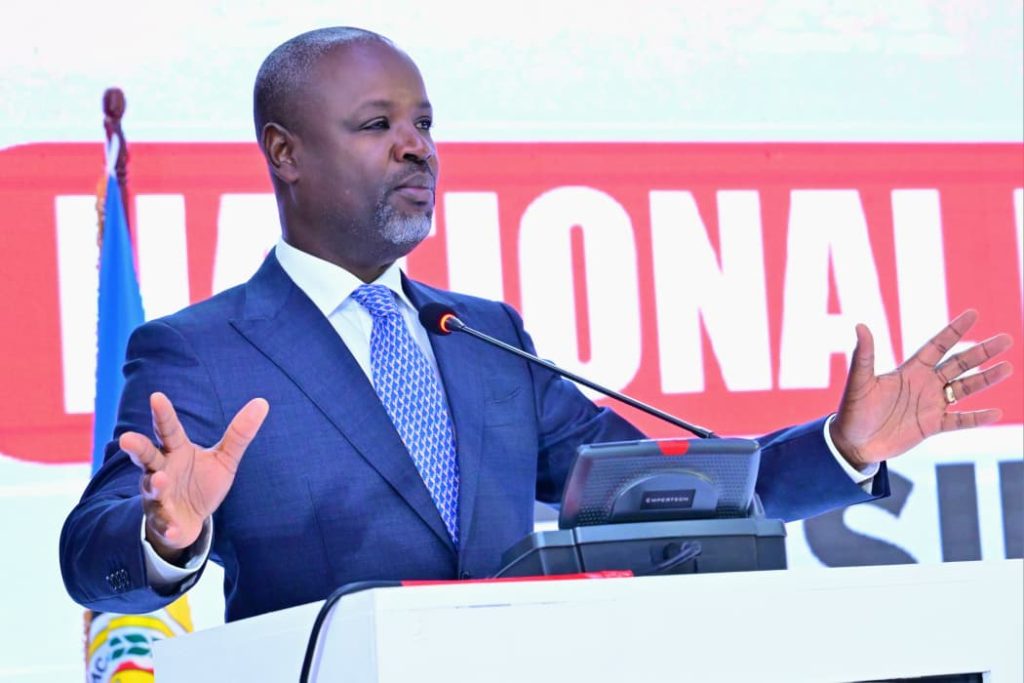
Deputy Speaker of Parliament Thomas Tayebwa has urged Uganda’s business community to embrace tax compliance, transparency and ethical business practices, saying the country’s economic transformation requires a strong, responsible and productive private sector.
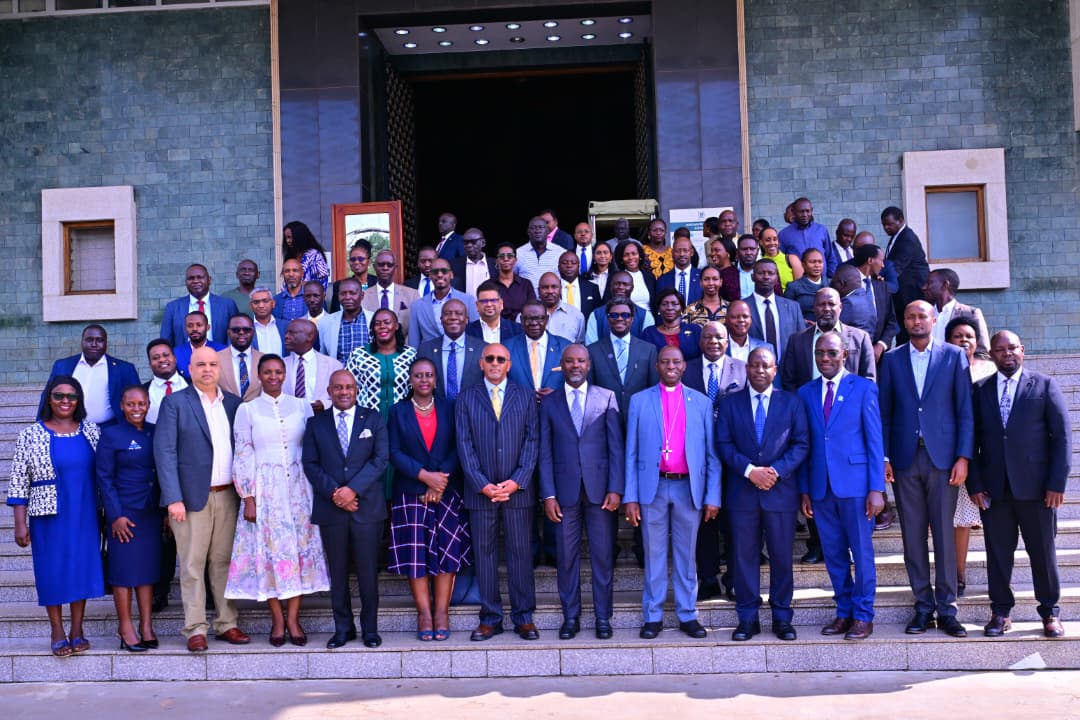
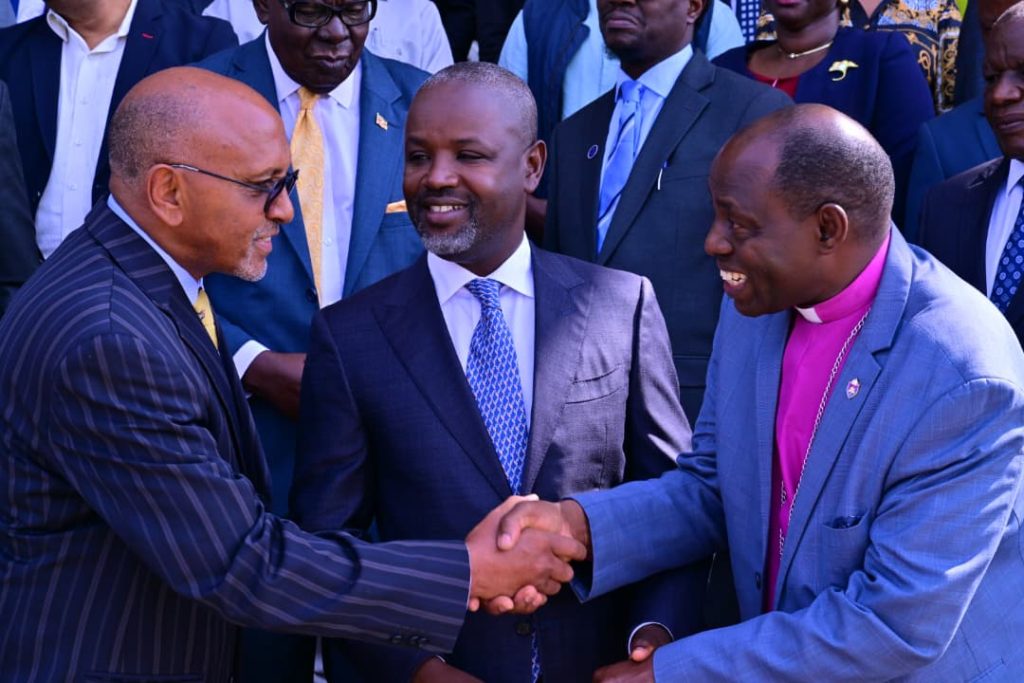
Tayebwa made the call on Wednesday while speaking at the inaugural National Prayer Breakfast Business Forum held at Parliament, bringing together Members of Parliament, business leaders and other stakeholders to reflect on the contribution of the private sector to Uganda’s development.
The forum featured business leaders and other participants from Uganda and several countries, including Rwanda, Burundi, Nigeria, Tanzania, Germany, India and Cameroon.
Emmanuel Katongole, Executive Chairman of Quality Chemicals Industries Uganda Limited, delivered the keynote address during the forum.
Tayebwa calls for greater tax compliance
Tayebwa said Uganda should focus more on improving tax compliance and widening the tax base instead of continuously introducing new taxes.
He argued that if more individuals and businesses fulfilled their tax obligations, government would have additional resources to invest in critical sectors such as roads, electricity, water, health and other public services.
“How do you expect us to build more roads, generate more power and provide you with water when we are still hovering around the tax-to-GDP ratio of 13–14%?” Tayebwa asked.
He said Uganda has the potential to raise its tax-to-GDP ratio to approximately 21 per cent if more businesses and individuals pay their fair share of taxes.
According to Tayebwa, increasing domestic revenue through voluntary compliance would reduce the pressure on government to introduce additional taxes while creating a more sustainable source of funding for national development.
Fair business environment needed
The Deputy Speaker also acknowledged that government and Parliament have a responsibility to create an environment in which businesses can operate, compete and grow fairly.
He cautioned against selective tax exemptions and preferential treatment that could distort competition and disadvantage businesses that comply with existing regulations.
Tayebwa invited members of the private sector to engage directly with Parliament and provide feedback on laws and policies affecting their operations.
He said lawmakers need to understand the challenges businesses face so that legislation and government policies can support investment, innovation, employment creation and wealth generation.
“The government does not create wealth. The government creates conditions which will enable you, the business community, to create wealth,” he said.
Businesses urged to uphold integrity
Tayebwa further challenged the private sector to embrace integrity and accountability, arguing that ethical conduct should not be demanded only from public officials.
He said businesses must also take responsibility for ensuring that employees and managers operate honestly and protect company resources.
He noted that workers who steal from their employers should face appropriate sanctions, just as public officials who misuse public resources are expected to account for their actions.
According to Tayebwa, fighting corruption and unethical practices should therefore be a shared responsibility involving government, businesses and citizens.
Beyond profit-making
The Deputy Speaker also encouraged entrepreneurs to look beyond profits and consider the broader contribution their businesses make to society.
He said a successful business should create employment, support suppliers, contribute taxes and provide solutions to challenges facing communities.
“If the major aim of your business is to make money, then you’re living on borrowed time,” he said.
Tayebwa argued that businesses that create meaningful social and economic impact are more likely to build sustainable enterprises and contribute to the long-term development of the country.
Call for mentorship
The Deputy Speaker also called upon established business leaders to mentor young Ugandans and emerging entrepreneurs.
He said experienced entrepreneurs possess valuable knowledge that should be shared with the next generation to help them avoid mistakes and build sustainable businesses.
“Mentor young people. Mentor other business people. One candle can light a thousand candles,” Tayebwa said.
He explained that when individual businesses grow, they create employment and increase the purchasing power of citizens, ultimately contributing to broader economic growth.
“If each one of us here becomes rich, then we shall all become richer,” he said.
MPs encouraged to learn from business
Tayebwa further encouraged Members of Parliament interested in entrepreneurship to seek mentorship from established business leaders.
He said such mentorship could help MPs move away from what he described as a mindset of political business, where significant personal resources are spent trying to win political support, towards building sustainable enterprises.
He argued that MPs who participate in legitimate business activities would gain a better understanding of the challenges faced by entrepreneurs, including access to finance, taxation, regulation, markets and the cost of doing business.
Such experience, he said, could also help legislators make more informed decisions when debating and passing laws that affect the private sector.
Strengthening Parliament-private sector partnership
Participants at the forum noted that stronger cooperation between Parliament and the private sector is important for Uganda’s economic transformation.
They said regular engagement between policymakers and business leaders can help identify barriers to investment, improve the business environment and promote policies that support job creation and sustainable economic growth.
The National Prayer Breakfast Business Forum therefore provided a platform for reflection, dialogue and partnership between the political leadership and the business community.
The discussions centred on the need for responsible entrepreneurship, tax compliance, ethical leadership, mentorship and stronger collaboration between government and the private sector as Uganda seeks to accelerate economic transformation.