By Jamillah Oluka
Government agencies, development partners and local innovators are promoting the sustainable use of wetlands through papyrus briquette production, an initiative aimed at providing affordable cooking energy, creating jobs and protecting the environment.
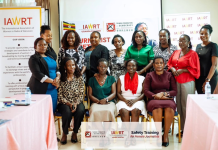
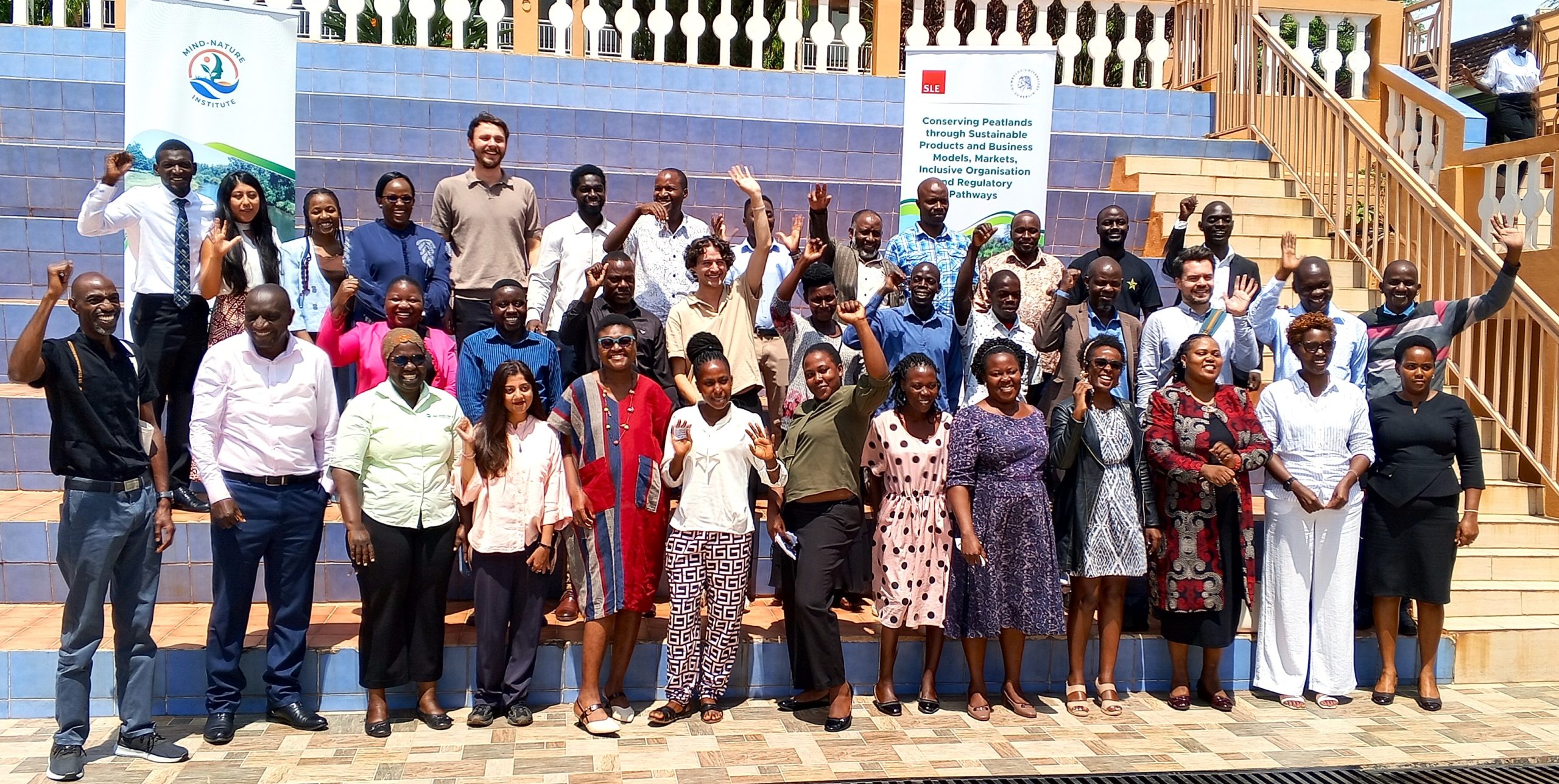
The initiative was highlighted today 15th-october 2026 at Hotel Africana in Kampala during a validation workshop on joint international research titled “Paludiculture Innovation for Sustainable Energy Initiatives: Business Models, Markets and Policy.” The workshop brought together partners to discuss research findings and explore markets and policies that can support sustainable wetland utilization.
The Peat for People project brings together the German development agency GIZ, the Centre for Rural Development at Humboldt University of Berlin, the Michael Succow Foundation and the Food and Agriculture Organization (FAO), with funding from Germany’s Federal Ministry for Economic Cooperation and Development.
Simon Bear, the Peat for People project coordinator in Uganda, said the collaboration seeks to generate and share knowledge locally and internationally to ensure peatlands are sustainably managed for future generations.
Martha Nangobi, Chairperson of Women of Hope Katosi Fish Processors Associates and one of the lead local innovators, has been producing briquettes from papyrus, initially for smoking fish and later for cooking household meals. Her experience demonstrates how wetland resources can support livelihoods when used responsibly.
“It has helped us a lot at the landing site to use papyrus to make briquettes for cooking and smoking purposes,” Nangobi said.
Her innovation has attracted interest from GIZ and other partners, who are working to document and share such local experiences with other communities while exploring ways to improve production, access markets and promote sustainable energy alternatives.
Dr Juliet Katuswiime, team leader at the Centre for Rural Development and director of Mind Nature Uganda, said the partners are exploring opportunities to commercialize environmentally friendly products, including papyrus briquettes and mats.
“These are not new products, but they have been there; we have simply not taken serious steps to add value to them, and that is what we are doing now,” Katuswiime said.
She noted that developing the sector could create employment for Uganda’s predominantly young population while providing evidence to inform policies supporting sustainable wetland management.
Senior Wetlands Officer at the Ministry of Water and Environment, Asadhu Sebyoto, said the government is open to working with civil society to conserve wetlands while allowing activities permitted under the law.
“We allow people to use wetlands, but they should not engage in activities prohibited by our laws, such as construction and road building,” Sebyoto said. He encouraged communities to seek guidance before undertaking wetland-related activities.
Meanwhile, Mariam Akiror, Head of Programs and Advocacy at the Uganda Agribusiness Alliance, said papyrus briquettes could offer an affordable cooking alternative for households unable to access electricity and gas.
She said partnerships promoting alternative cooking solutions must also priorities wetland conservation.
The initiative seeks to turn local innovation into sustainable economic opportunities while protecting wetlands for future generations.