The five-time Ballon d’Or winner ends his international career aged 41, having scored a world-record 146 goals in 234 appearances and helped Portugal win three major trophies.
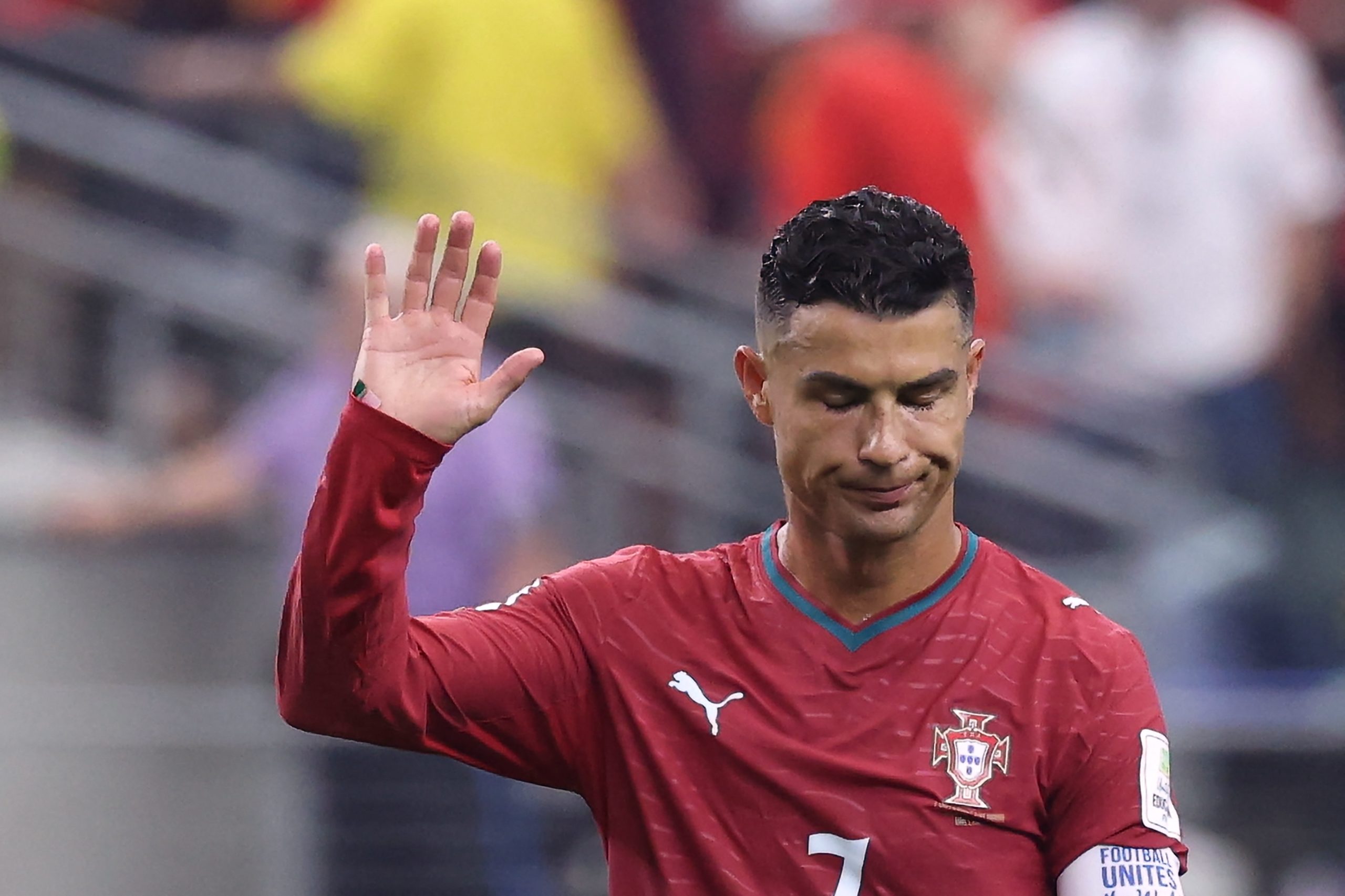
Cristiano Ronaldo has announced his retirement from international football, ending a 23-year career with Portugal that saw him become the most prolific goalscorer in the history of men’s international football.
The 41-year-old forward confirmed his decision on Thursday, 5 November 2026, in an emotional video posted on Instagram, bringing to an end a career that began in August 2003 and included six World Cup appearances, a European Championship triumph and two UEFA Nations League titles.
Ronaldo leaves the Portuguese national team with 146 goals in 234 appearances, holding the men’s international records for both goals and matches played.
His departure comes four months after Portugal’s elimination from the 2026 FIFA World Cup, where the former Manchester United, Real Madrid and Juventus forward made his final appearance on football’s biggest international stage.
“To the Portuguese people, the day has come for me to hand back the number seven shirt of our national team,” Ronaldo said in his farewell message.
“I never felt it belonged to me alone, but for 23 years I had the privilege and the responsibility of wearing it, defending it and carrying it with me into stadiums all around the world.”
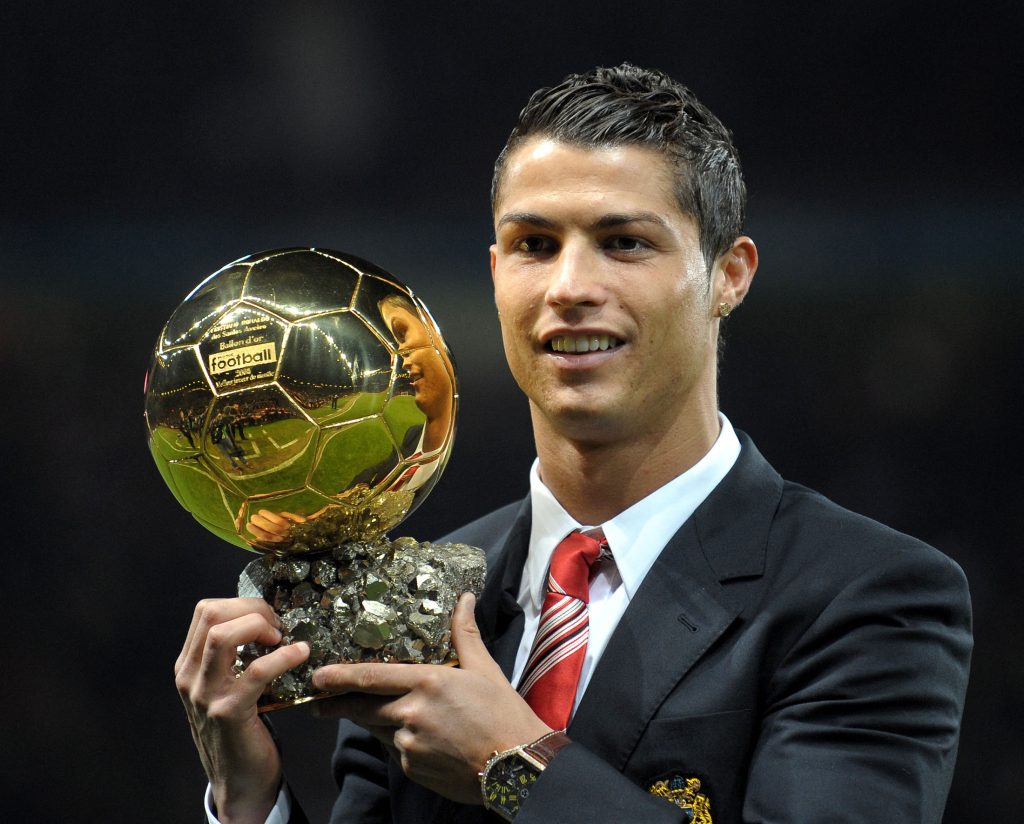
The five-time Ballon d’Or winner acknowledged the difficulty of ending a career that had defined much of his life.
“Today the time has come to pass it on to the future. It was not an easy decision, because some decisions are not made with the mind alone — they are also made with the heart.”
“A journey that began in August 2003 and changed my life forever has come to an end,” he added.
The Portuguese Football Federation has announced plans to organise a tribute in recognition of Ronaldo’s contribution to the national team.
From teenage international to Portugal’s greatest goalscorer
Ronaldo made his senior international debut in August 2003, aged 18, shortly after completing his move from Sporting Lisbon to Manchester United.
He quickly established himself in Portugal’s attack and became one of the central figures in a generation that included Luís Figo, Deco, Ricardo Carvalho and later Pepe.
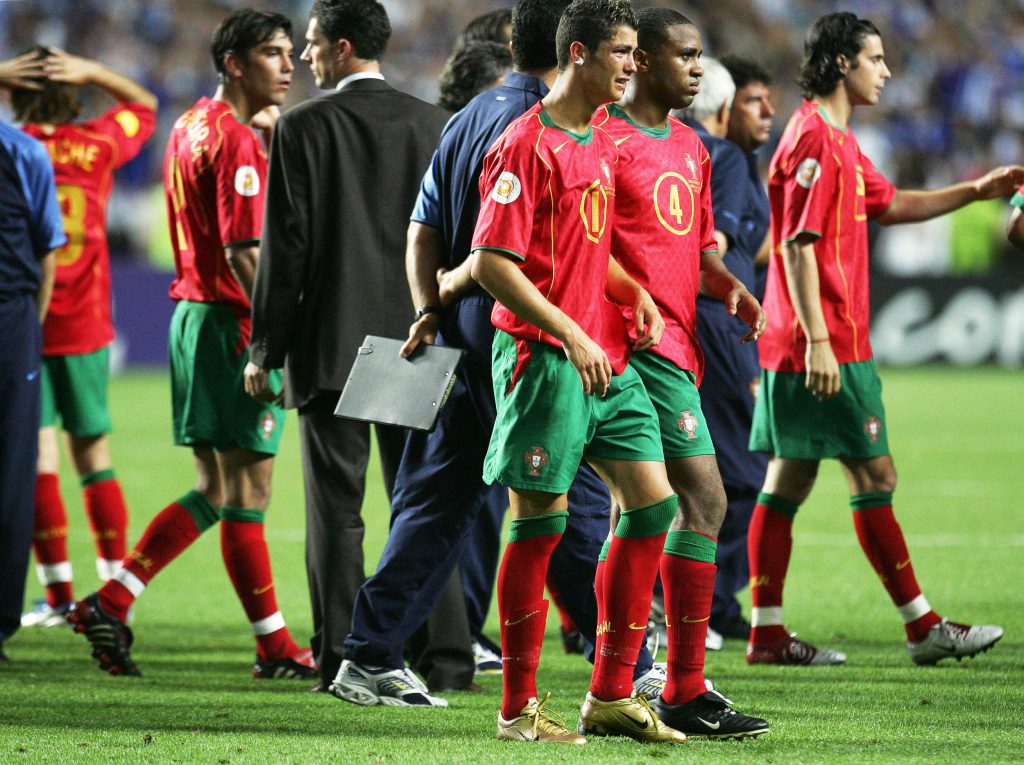
His first major international tournament came at Euro 2004, which Portugal hosted.
Playing alongside Figo and other established internationals, the teenage Ronaldo helped Portugal reach the final, only for Greece to produce one of the biggest upsets in European Championship history with a 1-0 victory in Lisbon.
Two years later, Ronaldo was part of the Portuguese side that reached the semi-finals of the 2006 World Cup in Germany.
Portugal defeated England on penalties in the quarter-finals, with Ronaldo converting the decisive spot kick after Wayne Rooney had been sent off during the match.
The incident attracted considerable attention because Ronaldo and Rooney were teammates at Manchester United.
Portugal eventually lost to France in the semi-finals, but the tournament further established Ronaldo as one of the country’s most important players.
Over the following two decades, he developed into Portugal’s leading goalscorer and remained central to the national team’s attack through successive generations of players.
The night Portugal conquered Europe
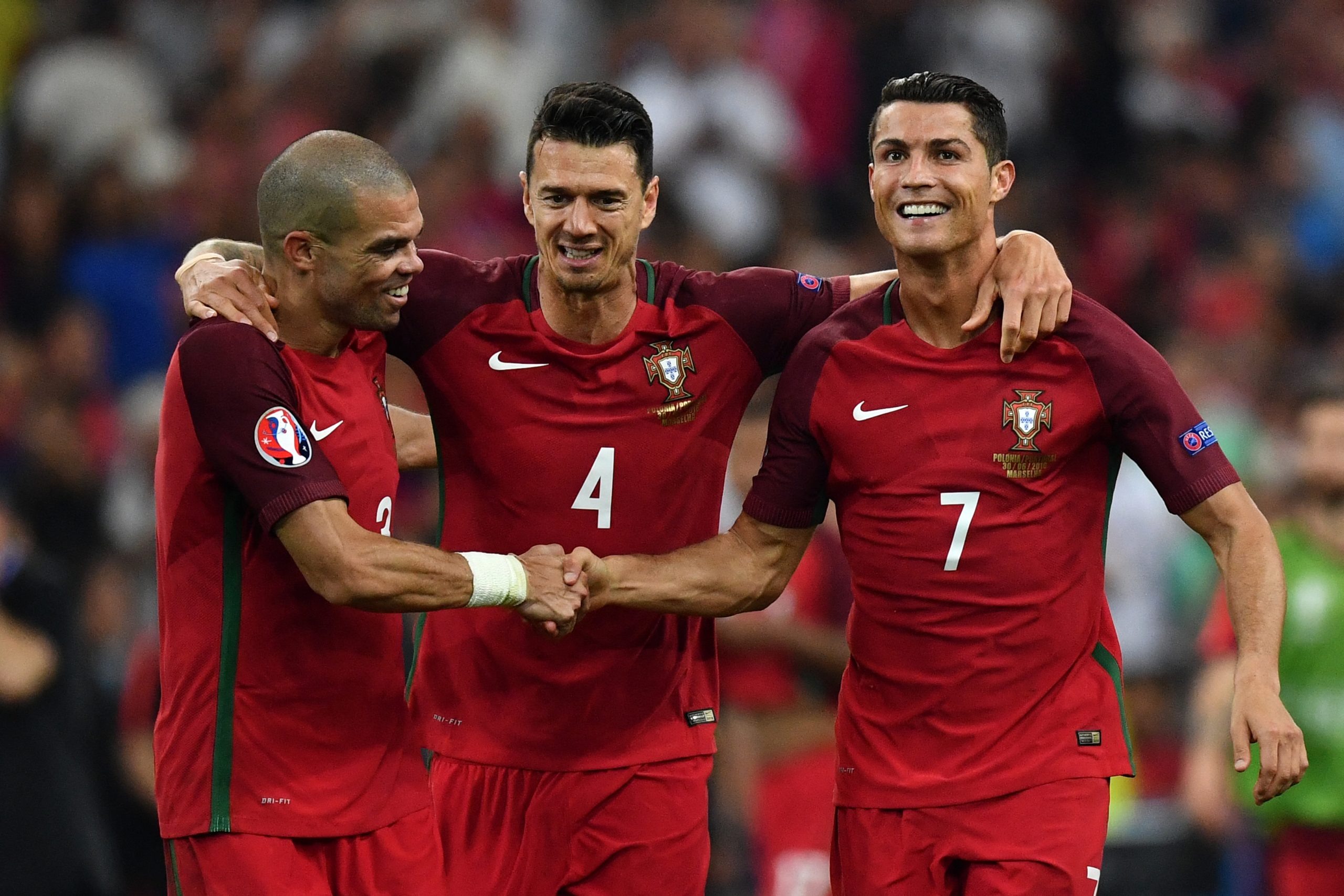
The defining achievement of Ronaldo’s international career came at Euro 2016, when Portugal defeated hosts France in Paris to win their first major international trophy.
Portugal had reached the final despite failing to win any of their three group matches in normal time.
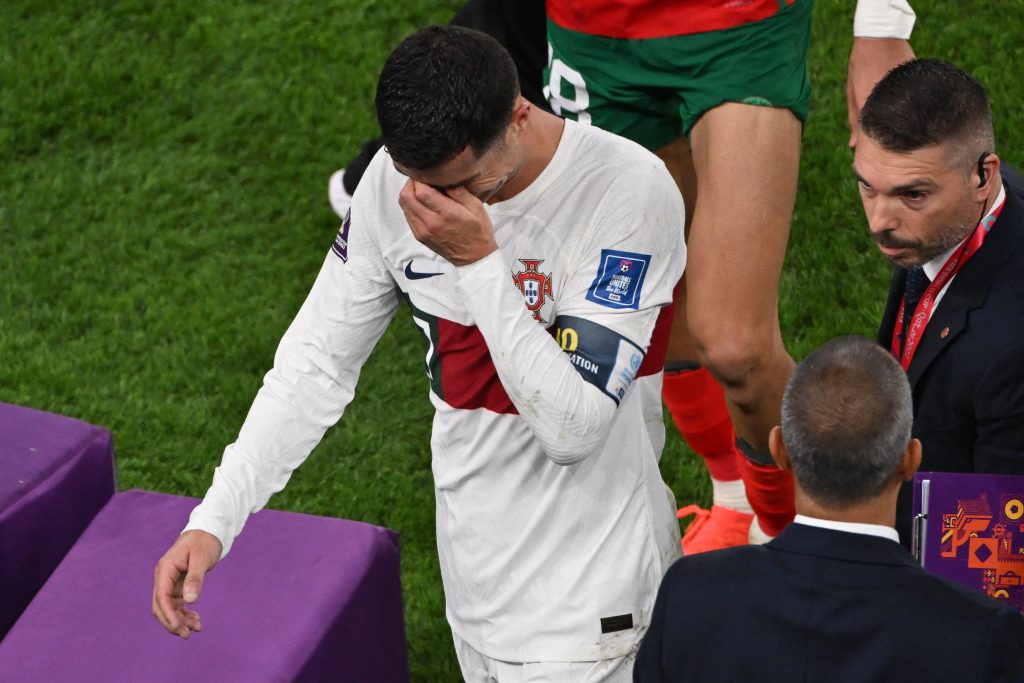
Ronaldo’s tournament appeared to end in heartbreak when he suffered a knee injury following a challenge from Dimitri Payet and was forced off after 25 minutes.
He left the pitch in tears but remained on the touchline, encouraging his teammates as the match went into extra time.
Substitute Eder scored the decisive goal in the 109th minute, securing a 1-0 victory and Portugal’s first European Championship title.
For Ronaldo, who had experienced defeat in the Euro 2004 final as a teenager, the victory represented the fulfilment of a long-standing international ambition.
“I won Euro 2016 and, for me, that’s just as important as the World Cup. It will stay with me forever,” he recalled in his retirement message.
Portugal later added the inaugural UEFA Nations League title in 2019, defeating the Netherlands 1-0 in the final.
Ronaldo was again influential in the competition, scoring a hat-trick against Switzerland in the semi-finals.
The performances that defined his international career
Among Ronaldo’s most memorable performances was his hat-trick against Sweden in November 2013, which secured Portugal’s qualification for the 2014 World Cup.
Having scored the only goal in the first leg of the qualifying play-off, Ronaldo struck three more times in Stockholm as Portugal won the return match 3-2.
Sweden’s Zlatan Ibrahimović scored twice, but Ronaldo’s performance settled the contest and ensured Portugal’s place in Brazil.
At the 2018 World Cup in Russia, Ronaldo produced another memorable individual display against Spain.
He scored all three Portuguese goals in a 3-3 draw, completing his hat-trick with a late free kick that left Spanish goalkeeper David de Gea beaten.
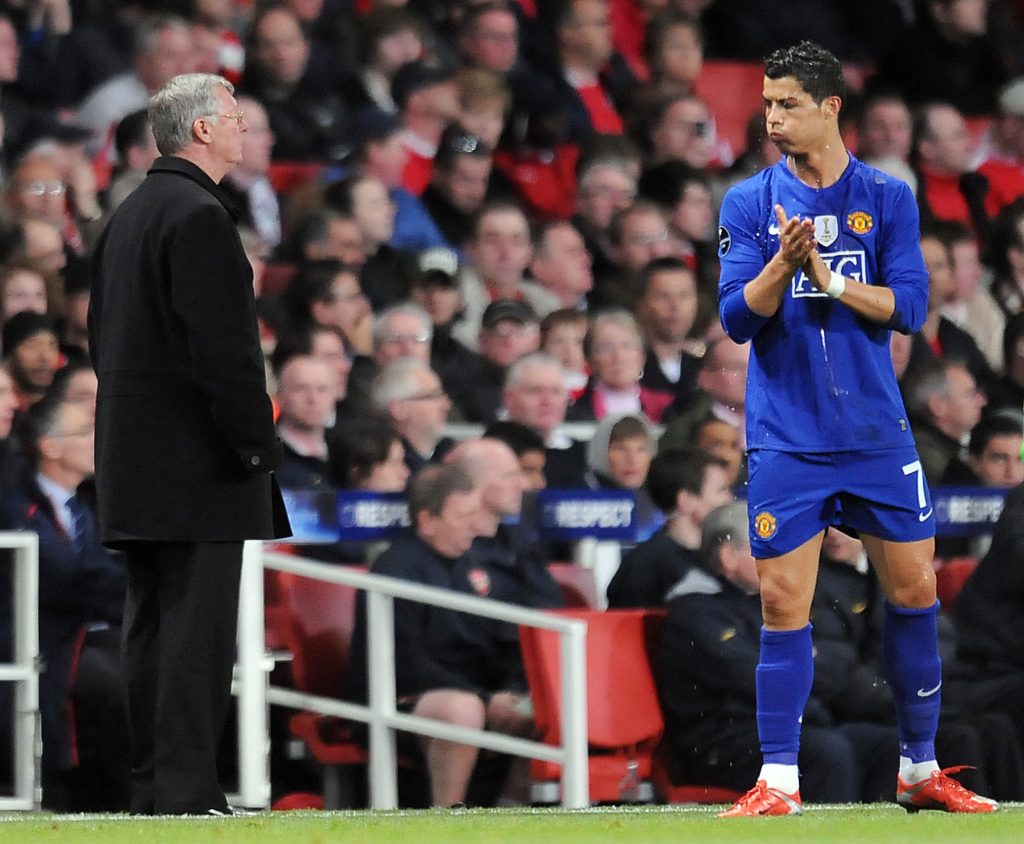
The performance came during a period when Ronaldo was enjoying extraordinary success at club level, having helped Real Madrid win three consecutive UEFA Champions League titles between 2016 and 2018.
His international scoring record continued to grow even as he moved into the later stages of his career.
In 2025, three months after turning 40, Ronaldo helped Portugal win a second Nations League title.
He scored the winning goal against Germany in the semi-finals before equalising against Spain in the final in Munich.
Portugal went on to win the title on penalties, adding another trophy to Ronaldo’s international honours.
Final World Cup appearance in North America
Ronaldo’s sixth and final World Cup took place in the United States, Canada and Mexico in 2026.
At 41, he remained part of Portugal’s attacking options despite growing competition from younger forwards.
He scored three goals during the tournament, including a penalty against Croatia in the round of 32 in Toronto.
Portugal had fallen behind to a goal from Ivan Perišić before Ronaldo equalised from the spot.
Gonçalo Ramos later scored the winning goal to secure a 2-1 victory and send Portugal into the last 16.
However, Portugal’s campaign ended in the following round with defeat to Spain, who went on to win the tournament.
The elimination denied Ronaldo the opportunity to add the FIFA World Cup to his international honours.
Despite winning the European Championship and Nations League twice, the World Cup remained the one major international trophy he never lifted.
Disagreement with national team coach
Ronaldo’s retirement also follows a difficult period in his relationship with Portugal’s national team management.
According to reports accompanying his announcement, the forward fell out with coach Jorge Jesus last month after being left out of a Nations League match.
Ronaldo subsequently left the national team camp and received a 30-day suspension.
He later apologised, prompting speculation that he could return to the squad.
However, Thursday’s announcement confirms that he has decided against continuing his international career.
His departure leaves Portugal facing the task of rebuilding its attack without a player who had been a regular presence in the national team for more than two decades.
Ronaldo’s club career continues in Saudi Arabia
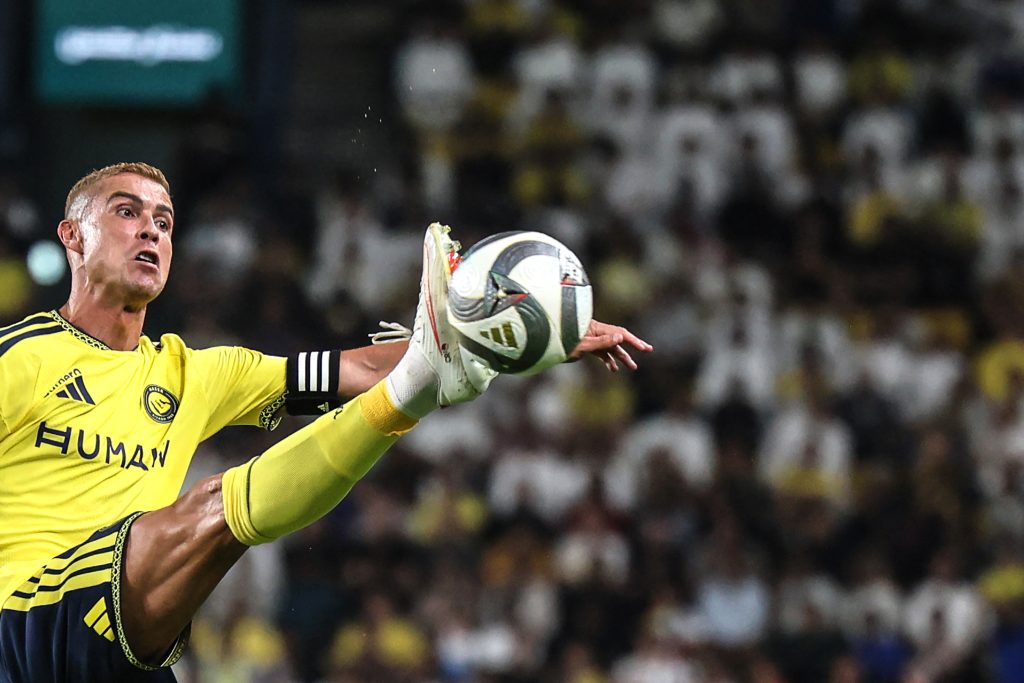
Although Ronaldo has retired from international football, he is not leaving the professional game.
The forward will continue playing for Saudi Pro League club Al-Nassr, where he remains under contract until June 2027.
His club career has taken him through Sporting Lisbon, Manchester United, Real Madrid, Juventus and Al-Nassr.
At Manchester United, he developed into one of Europe’s leading forwards, winning the Premier League and Champions League before moving to Real Madrid in 2009.
His nine seasons in Madrid produced four Champions League titles and established him as the club’s all-time leading goalscorer.
He subsequently moved to Juventus, returned to Manchester United and joined Al-Nassr in December 2022.
Throughout his career, Ronaldo’s rivalry with Argentina’s Lionel Messi dominated discussions about football’s greatest players.
Both won multiple Ballon d’Or awards and rewrote scoring records at club and international level.
Messi’s international retirement last month, followed by Ronaldo’s announcement, brings to an end an era in which the two forwards were among the most recognisable figures in international football.
Portugal prepares for life without Ronaldo
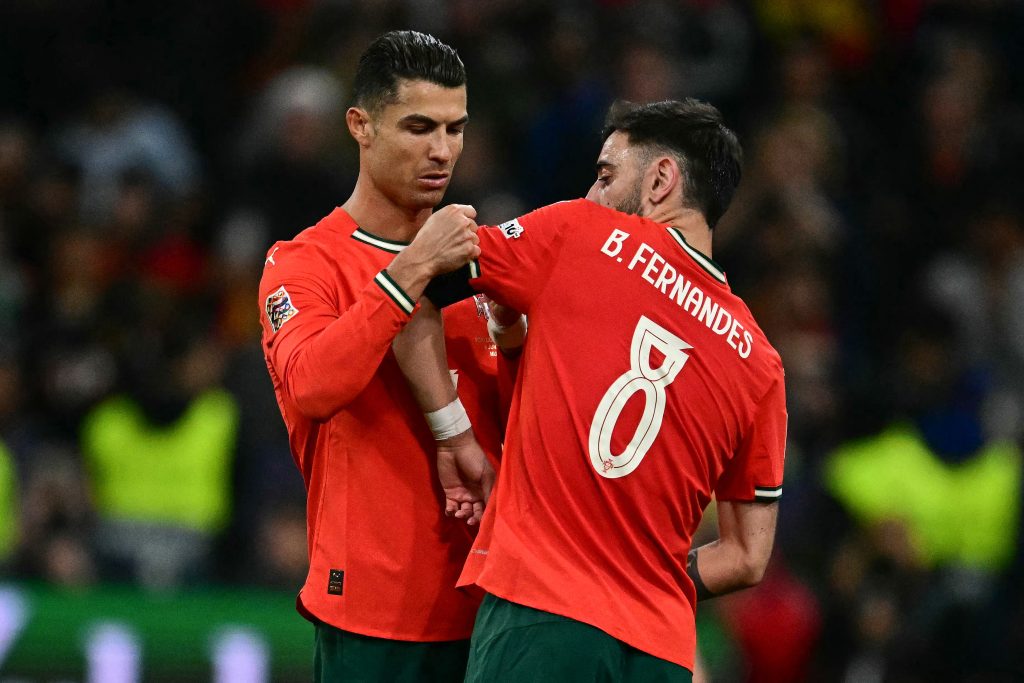
Ronaldo’s departure marks a major change for Portuguese football.
Since making his debut in 2003, he has represented the national team across several generations, playing alongside some of Portugal’s most accomplished footballers and becoming the central figure in its greatest international successes.
His 146 goals and 234 appearances leave a substantial gap between his international record and those of other Portuguese players.
The national team must now look to its younger attacking players, including Gonçalo Ramos and Rafael Leão, as it prepares for future international competitions.
For Portugal, Ronaldo’s retirement brings an end to the career of a player who helped deliver the country’s first European Championship, two Nations League titles and some of its most memorable World Cup performances.
For Ronaldo, the number seven shirt that became synonymous with his international career now passes to another generation, closing a chapter that began with an 18-year-old making his debut in 2003 and ended with one of the most extensive individual records in international football.