By Wadulo Arnold Mark
A mother in labour in rural Karamoja may have to cross dry pastoral plains to reach a clinic. A sick child in the Kigezi highlands may be carried along steep mountain ridges to the nearest hospital. For decades, families in Uganda’s most remote communities have made journeys like these, only to arrive at health facilities already stretched to their limits.
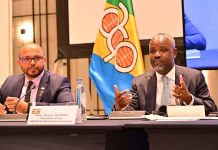
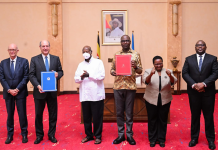
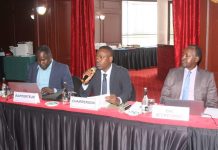
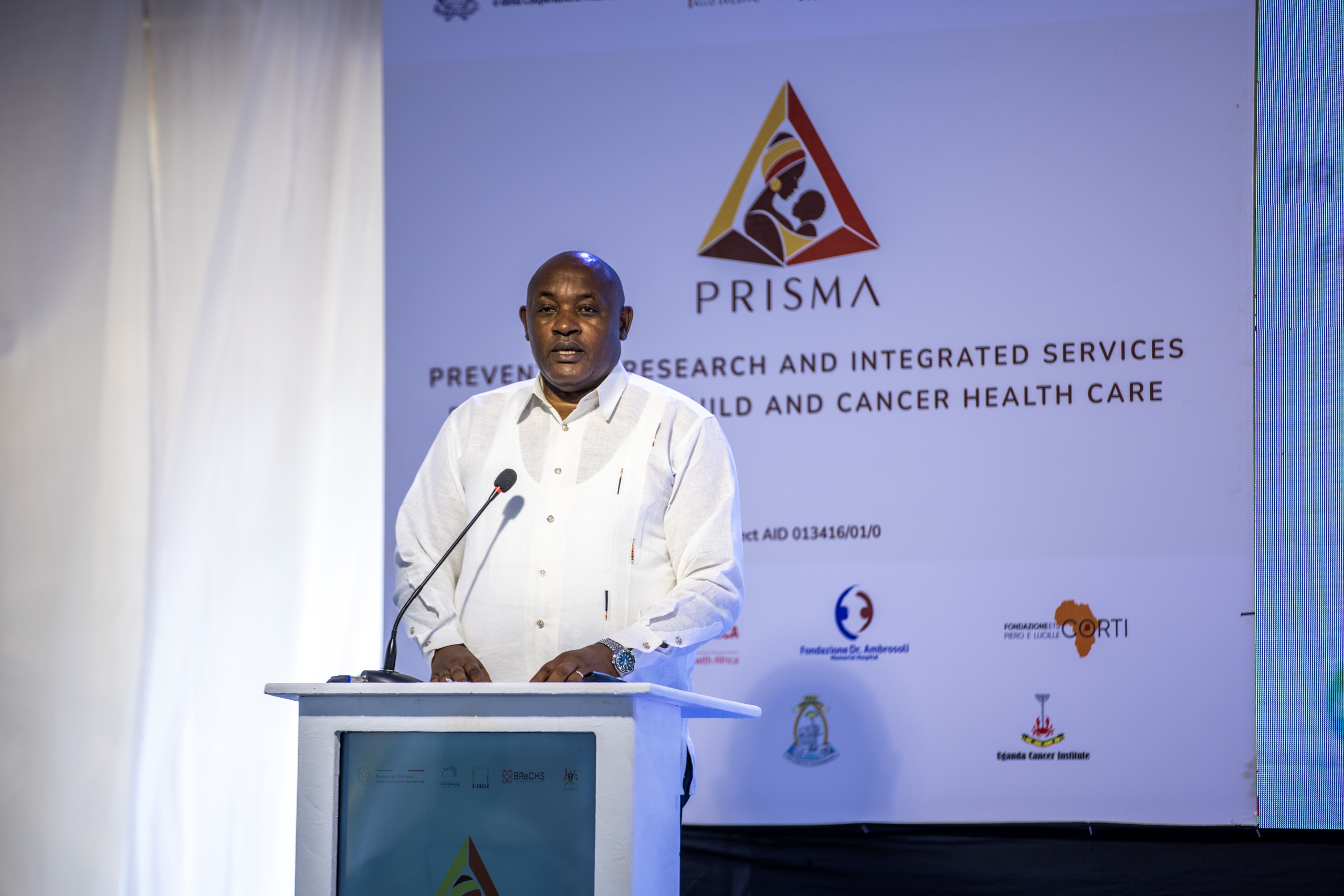
A new initiative aims to shorten those journeys. The governments of Uganda and Italy, together with academic and civil society partners, on 7th November 2026 launched the PRISMA Project, a €12.75 million programme for prevention, research and integrated services in maternal, child and cancer care.
Funded by the Italian Ministry of Foreign Affairs and International Cooperation, the 36-month project will work across West Nile, Acholi, Lango and Karamoja. More than 500,000 women and children are expected to benefit. PRISMA builds on 60 years of Italian-Ugandan medical partnership and will strengthen community health networks and referral hospitals, including St Mary’s Hospital Lacor in Gulu, Dr Ambrosoli Memorial Hospital in Kalongo and Matany Hospital in Karamoja.
For the people behind PRISMA, the idea is simple: good care should not depend on your address or your bank balance.
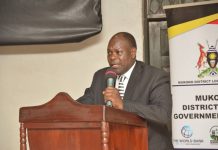
John Makoha, Country Representative of the AVSI Foundation in Uganda, put it plainly. “A health system is strongest when quality of care is not only determined by where a person lives or by their circumstances or by their ability to navigate the system,” he said.
He added that AVSI’s work stays close to the ground, led by Ugandan professionals who understand what daily life looks like for rural families.
On the maternal, newborn and child health side, the project aims to make sure patients are not lost along the way, from the village health team to the regional referral centre. It also takes on cancer, improving early detection and referral for cervical cancer, breast cancer and Burkitt lymphoma in children, in partnership with the Uganda Cancer Institute.
A key part of PRISMA is a partnership between the University of Milano-Bicocca and Gulu University, meant to grow expertise inside Uganda itself.
Giuseppe Gorini, Vice Rector for International Development and Academic Cooperation at Milano-Bicocca, said universities have a role that goes beyond the lecture hall. “A university is a distinctive place where the education of younger generations, scientific research, care for the person, and innovation all come together,” he said. “At their best, they reinforce one another, placing knowledge at the service of human dignity.”
He explained that PRISMA links clinical expertise, digital health data and joint research to answer questions that come straight from Uganda’s own health system. One concrete result is that Gulu University will launch Africa’s first Master of Science in Cancer Epidemiology, training local doctors to fight the disease on home ground.
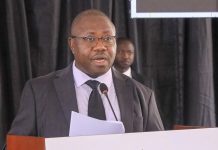
Health Minister Hon Dr Chris Baryomunsi welcomed the project and thanked Italy for its support. He noted that Italian missionaries and doctors have been building health facilities across Uganda for more than a century.
The numbers explain why he sees the need as urgent. Uganda’s population is young and growing at 3.2% a year, and women have 5.2 children on average, so maternal and child health remain national priorities.
“Maternal health is an issue, child health is an issue, and cancer is a very big issue,” the minister said.
He described a country fighting on two fronts: preventable infectious diseases that still take a heavy toll, and a rising wave of conditions such as cancer and hypertension.
On maternal deaths, he acknowledged progress while refusing to be satisfied with it. Uganda has cut maternal mortality from 700 to about 200 deaths per 100,000 live births. “Nobody should die when they are giving birth,” Dr Baryomunsi said. “We’ve come from 700 to around 200, but even that 200 is bad news, so PRISMA is most welcome to help us go towards zero.”
If PRISMA delivers, a woman in a remote village will be able to count on a health system that reaches her, rather than one she has to struggle to reach.
The project will run to June 2029.