By David Mwanje
Uganda’s latest Auditor General’s report has renewed debate about public spending and service delivery, with civil society organisations calling for stronger fiscal discipline to protect key sectors such as health and education.
The Civil Society Budget Advocacy Group says rising public debt and domestic arrears are placing increasing pressure on government resources that fund services used by millions of Ugandans.
For many families, the strain is already being felt. Patients at public hospitals sometimes face medicine shortages, while parents continue to stretch household budgets to keep children in school.
According to the report, Uganda’s public debt rose from Shs 69.2 trillion in the 2020/2021 financial year to Shs 115.4 trillion in the 2024/2025 financial year. The increase reflects continued government investment in infrastructure and economic recovery programmes following recent global economic shocks.
However, interest payments now consume nearly 24 percent of tax revenue, limiting the funds available for social services.
In the health sector, National Medical Stores required about Shs 1.574 trillion to procure medicines but received Shs 1.393 trillion, leaving a funding gap. Health officials say efforts are underway to strengthen supply systems while preparing for reduced donor support expected in the coming years.
The education sector is also under pressure as Uganda’s growing population increases demand for schools, teachers and learning facilities. Several secondary schools still lack laboratories, libraries and enough classrooms to accommodate rising student numbers.
Government domestic arrears currently stand at about Shs 8.4 trillion. These arrears largely affect private contractors and small businesses that supply goods and services to government projects.
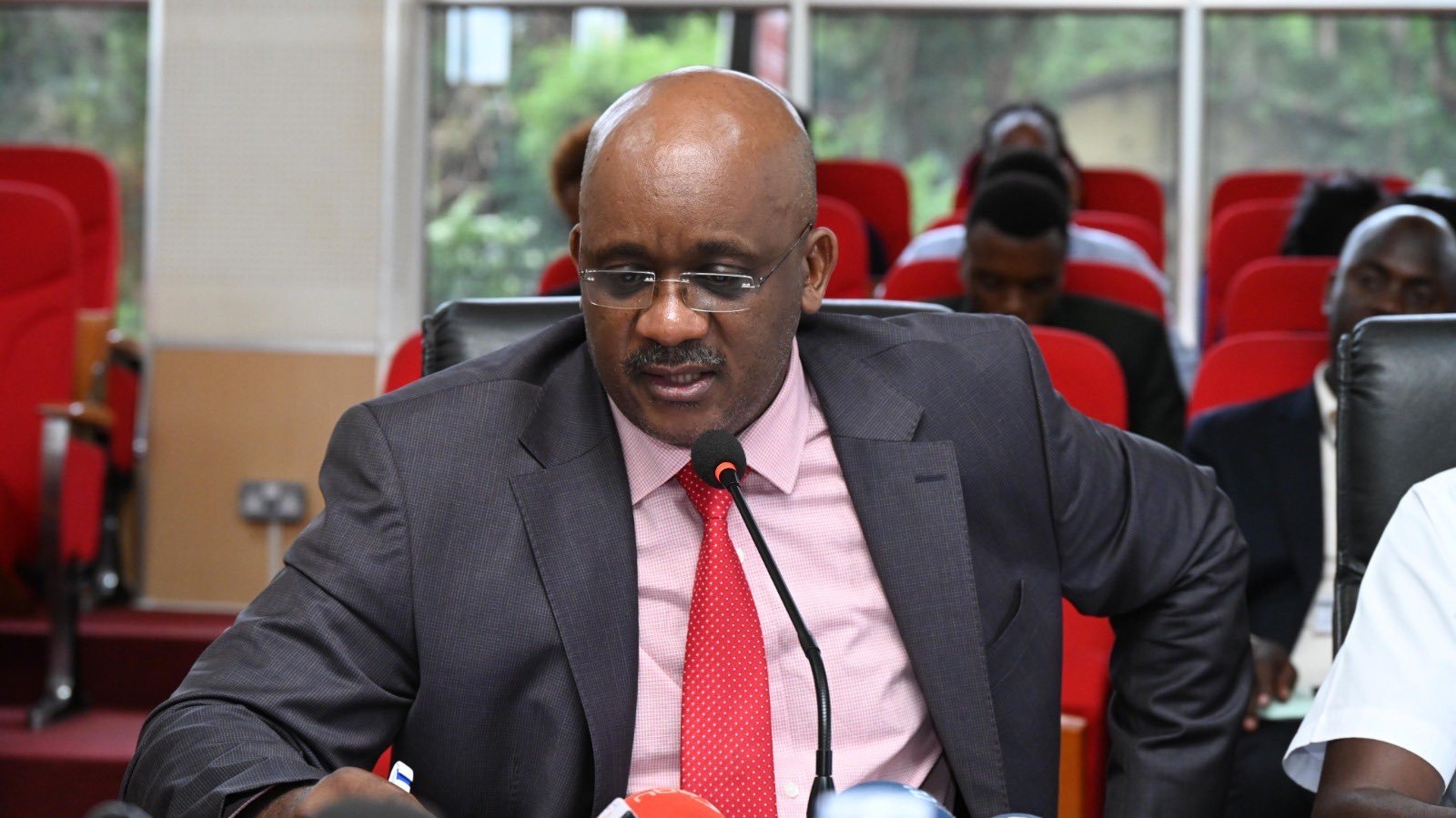
Civil Society Budget Advocacy Group Executive Director Julius Mukunda said the Auditor General’s report should guide reforms aimed at improving efficiency and accountability in public spending.
He said the findings highlight the need for sustained fiscal discipline to maintain economic stability while improving service delivery.
Despite the challenges, the report also notes progress in revenue mobilisation. The Electronic Fiscal Receipting and Invoicing System (EFRIS) has helped increase value-added tax collections by about 56 percent, strengthening domestic revenue.
Government has also begun restructuring some arrears and improving financial management across ministries, agencies and local governments.
Economists say these measures, combined with Uganda’s economic fundamentals, could help improve public services while keeping debt at manageable levels.
With a young population and a growing economy, analysts say Uganda has the potential to expand its tax base, reduce inefficient spending and direct more resources to priority sectors such as health, education and infrastructure.
Civil society organisations have urged Parliament to prioritise these reforms during the upcoming budget process so that public spending delivers tangible benefits to citizens.
For many Ugandan families, the expectation is that better financial management will translate into improved health services, better schools and stronger local businesses that can create jobs.