By Kooko Lawrence
Malaria prevalence among Ugandan children has increased significantly, according to the Uganda Malaria Indicator Survey 2024–2025.
The survey, conducted between November 2024 and February 2025, found that parasite prevalence among children aged six to 59 months now stands at about 21 percent, up from 9 percent recorded in 2018–2019. The findings also show sharp regional differences. Lango sub-region recorded the highest prevalence at nearly 60 percent, while Kampala reported less than 1 percent.
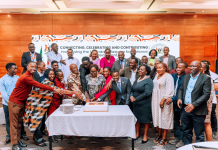
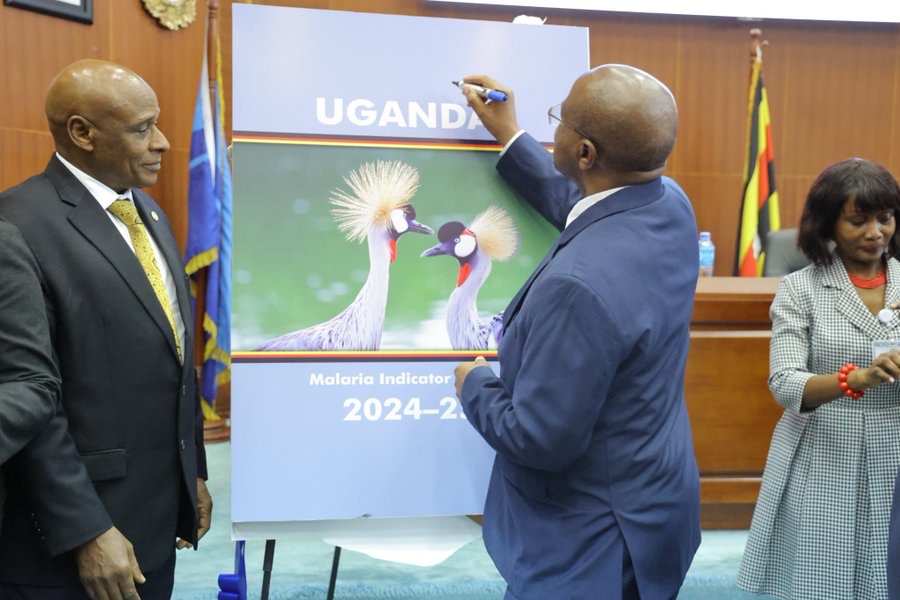
The survey was launched in Kampala by the Uganda Bureau of Statistics (UBOS) in partnership with the Ministry of Health. It examined malaria prevention, treatment, and control across urban, rural, and refugee settlement communities.
UBOS Executive Director Dr. Chris Mukiza said the findings give government and health partners a clearer understanding of where malaria remains most widespread.
“This survey shows where malaria continues to pose the greatest threat. The data will help guide decisions on prevention and treatment,” Mukiza said. He added that while many households own mosquito nets, consistent use by children and pregnant women remains uneven, especially in high-burden regions.
The World Health Organization (WHO) says malaria continues to place a heavy burden on the African continent. WHO Uganda Country Representative Dr. Mwinga Kasonde cited the 2025 World Malaria Report, which estimates that 282 million malaria cases and about 610,000 deaths were recorded globally in 2024. Africa accounts for more than 90 percent of those cases.
Kasonde said the new survey will help shape Uganda’s Malaria Elimination Strategy for 2026–2030, allowing interventions to be directed to the most affected areas.
Support from development partners remains a key part of malaria control efforts. Akunda Karisa, a Public Health Advisor at the United States Embassy in Uganda, said U.S. programs have supported the distribution of millions of mosquito nets, rapid diagnostic tests, treatment medicines, and indoor residual spraying campaigns.
However, she noted that the increase in malaria prevalence among children shows that more work is needed at community level to ensure prevention measures are used effectively.
Government officials say the findings will also guide future planning and spending. State Minister for Finance, Planning and Economic Development Amos Lugoloobi said reliable data is essential for directing resources where they are most needed.
“Statistics help us plan, budget, and measure progress. This survey shows where malaria interventions should be strengthened so that public resources deliver results,” Lugoloobi said.
The survey covered 15 sub-regions across Uganda, including urban centres, rural communities, and refugee settlements. It examined mosquito net ownership and use, malaria testing and treatment among children, and public awareness of malaria prevention.