Uganda has temporarily closed its border with the Democratic Republic of the Congo as authorities step up measures to prevent the further spread of Ebola into the country.
The decision follows what health officials described as continued escalation of the Ebola outbreak in DRC, coupled with the risks posed by cross-border movements between the two countries.
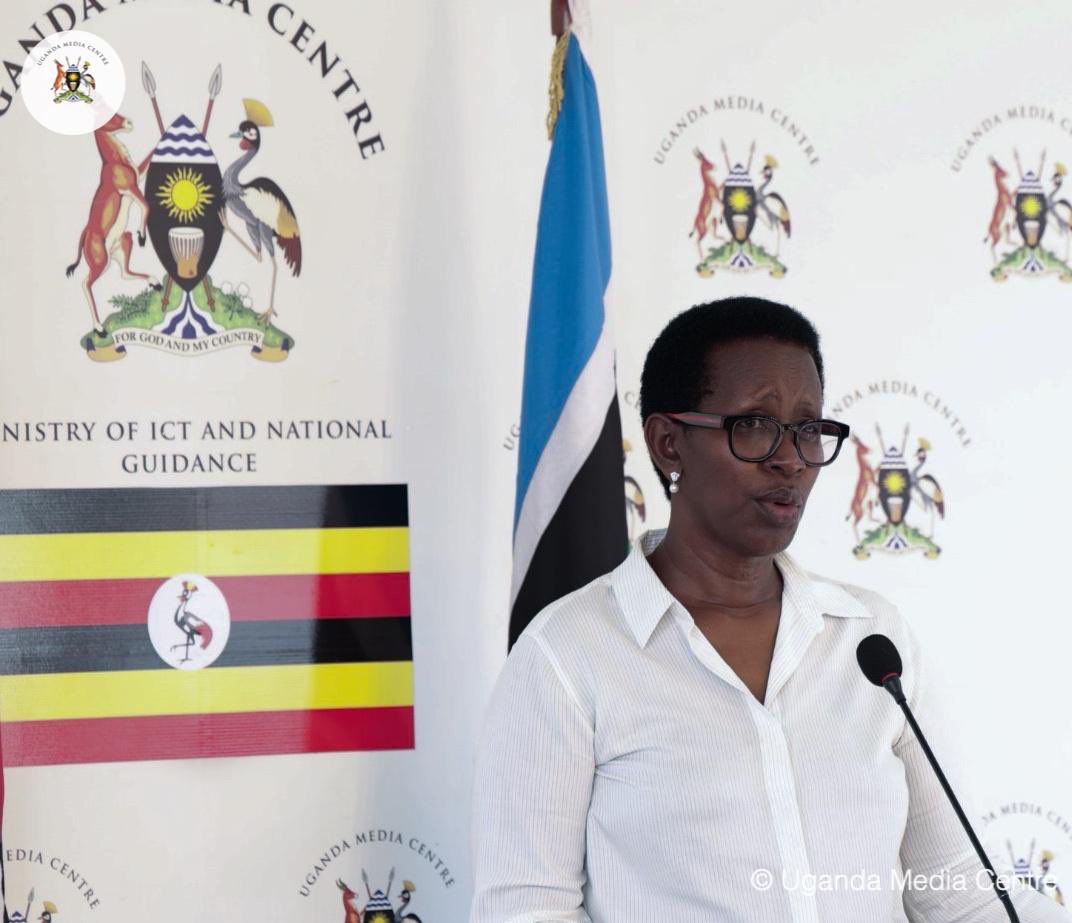
Permanent Secretary Dr. Diana Atwine, while updating the media on the current Ebola situation, said Uganda has not recorded any new confirmed case of Ebola Virus Disease since Monday, 25th May 2026.
The total number of confirmed cases remains at seven, with one death recorded. However, the number of contacts linked to the confirmed cases has increased, with most of them being health workers.
Dr. Atwine said the National Task Force on Ebola Response, chaired by the Vice President, has resolved to temporarily close the Uganda-DRC border with immediate effect.
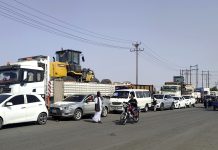
Only authorised Ebola response teams, humanitarian operations, food and cargo transporters, and essential security personnel will be allowed to cross, subject to strict health screening and monitoring.
The Immigration Authority has been directed to enforce the new border measures and ensure that all authorised entrants complete locator forms, undergo health screening, and remain under surveillance in line with national health protocols.
Any person returning from DRC into Uganda will be required to undergo mandatory self-isolation for 21 days under the supervision of health officials and district surveillance teams.
Schools in border districts will remain open, but they have been directed to strictly observe Ebola prevention guidelines. School authorities must identify learners who recently returned from DRC and ensure their temperature is monitored and recorded daily for 21 days.
Districts along the Uganda-DRC border have also been directed to designate at least one health facility to monitor learners who develop symptoms such as fever during the observation period.
Resident District Commissioners and Resident City Commissioners have been instructed to enforce all Ebola prevention and control guidelines issued by health authorities and the National Task Force.
Media houses have also been asked to dedicate at least 30 minutes of prime-time programming daily to public education on Ebola prevention, detection and reporting.
Health officials say the latest measures are aimed at reducing the risk of cross-border transmission while maintaining essential humanitarian, food, cargo and security movements under close supervision.