By Sarah Natoolo
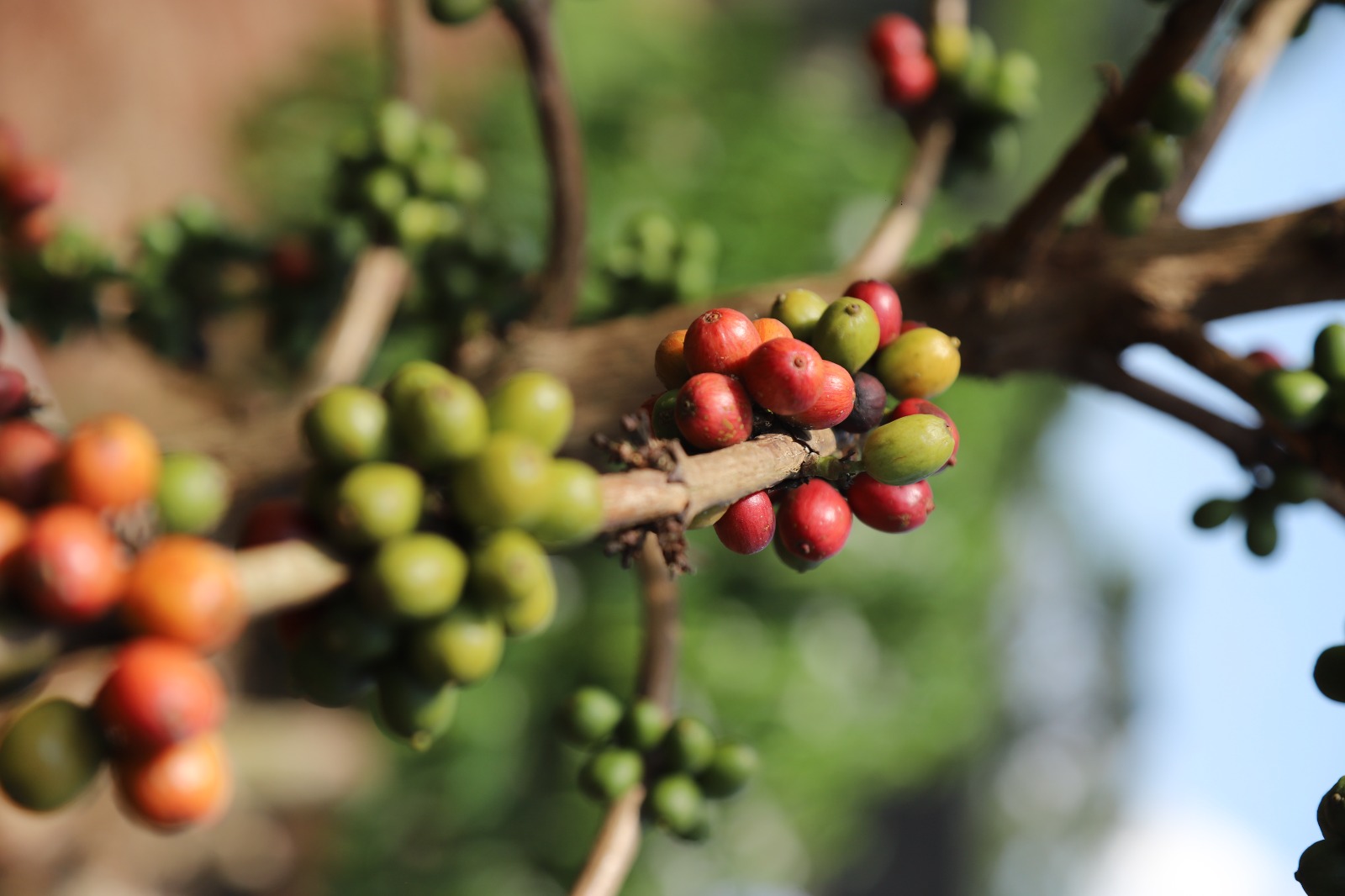
Uganda’s ambition to strengthen its position as one of the world’s leading coffee exporters is increasingly facing an unexpected obstacle to the rising cost of quality coffee seedlings.
The challenge comes at a time when coffee prices are at historic highs, encouraging thousands of farmers across the country to establish new plantations and rehabilitate aging coffee gardens. Strong international demand and improved farm-gate prices have made coffee one of Uganda’s most profitable cash crops, but the high cost of certified planting materials is slowing expansion for many smallholder farmers.
Across major coffee-growing districts, farmers report that improved coffee seedlings now cost significantly more than they did just a few years ago. Depending on the variety and the nursery, certified robusta and arabica seedlings currently retail for between Shs1,000 and Shs2,500 per seedling, while improved clonal and tissue-culture materials can cost even more. Just a few years ago, many farmers purchased certified seedlings for between Shs300 and Shs700.
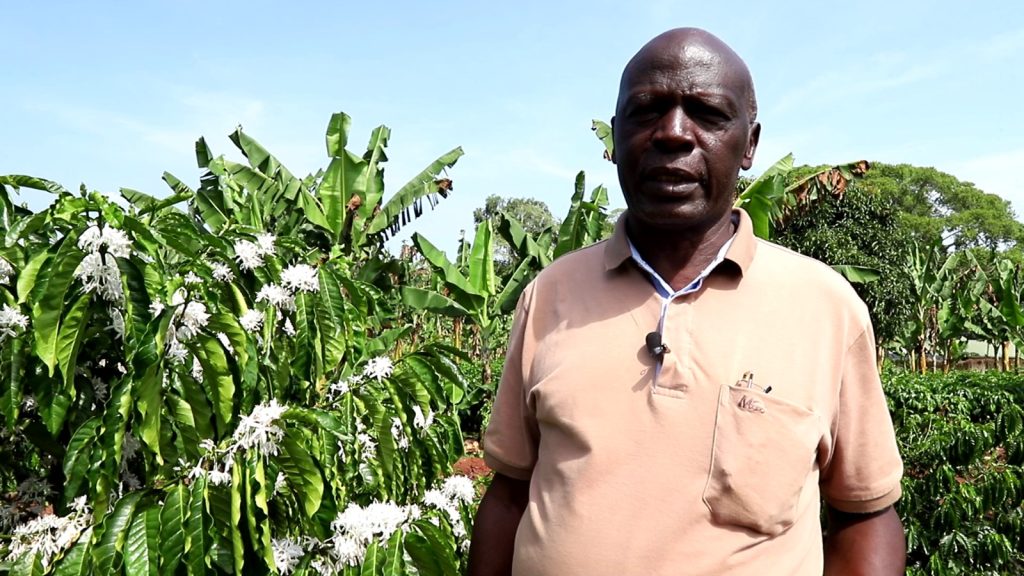
For farmers establishing a new coffee garden, the costs add up quickly. One acre requires approximately 450 to 550 seedlings, meaning planting material alone can cost between Shs450,000 and well over Shs1 million, excluding land preparation, labour, manure and maintenance before the first harvest.
The rising demand for coffee, fuelled by attractive farm-gate prices and government campaigns encouraging commercial coffee production, has created unprecedented pressure on the supply of certified seedlings. The imbalance between demand and supply has pushed prices upward, leaving many farmers with difficult decisions.
According to Dr. Pascal Musoli, a coffee breeder at the National Coffee Research Institute (NaCORI) in Kituuza, Mukono District, the cost of producing genuine coffee planting materials reflects years of scientific research, breeding, multiplication and quality assurance before a seedling reaches a farmer.
He explains that developing improved coffee varieties is a lengthy and resource-intensive process involving selection of superior parent plants, disease screening, field evaluations and multiplication under strict standards. Every stage requires skilled personnel, specialized facilities and continuous monitoring to ensure farmers receive authentic planting materials capable of producing high yields.
Dr. Musoli notes that Uganda’s coffee industry has experienced tremendous growth in recent years, increasing demand for certified seedlings beyond the capacity of many registered nurseries. This has naturally created pressure on prices, particularly for improved clonal and tissue-culture planting materials that offer better resistance to diseases and improved productivity.
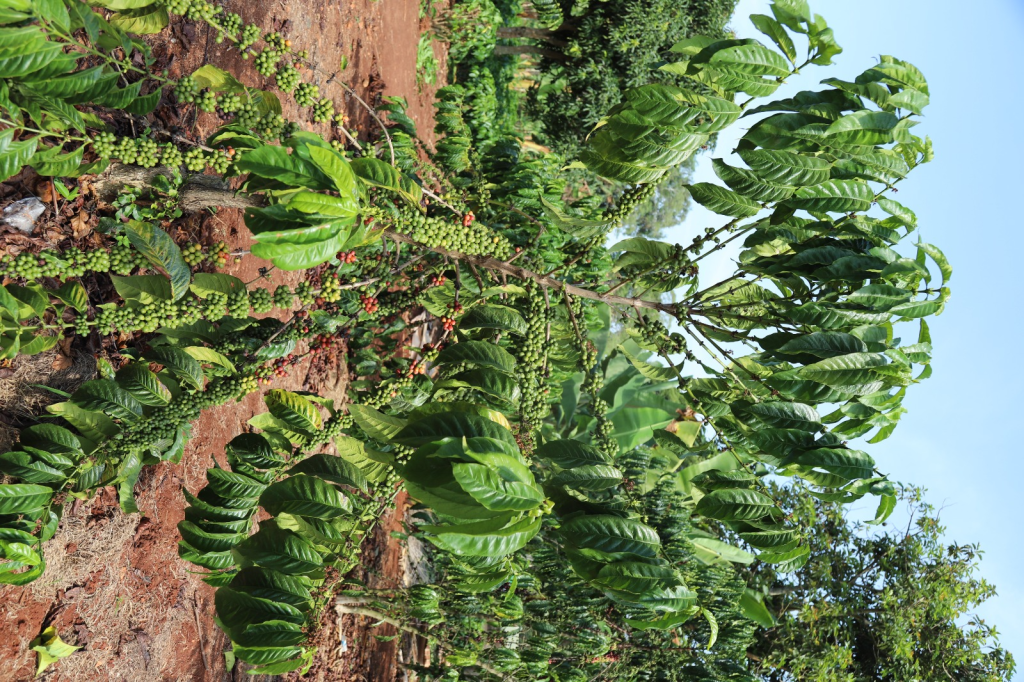
The surge in seedling demand mirrors remarkable developments in Uganda’s coffee market. Farm-gate prices have remained well above historical averages over the past year, with FAQ Robusta coffee commonly trading between Shs13,000 and Shs16,000 per kilogram, while premium grades have at times fetched even higher prices. Arabica coffee has also maintained strong prices, giving farmers confidence to invest in expanding production.
Uganda’s coffee exports have equally registered record performance. Recent sector data show the country exporting more than seven million 60-kilogram bags annually, earning over US$2 billion in export revenue, making coffee Uganda’s leading foreign exchange earner. The government’s long-term strategy aims to increase annual production to 20 million bags, making expansion of quality planting materials critical to achieving that target.
Dr. Musoli emphasizes that although some farmers perceive certified seedlings as expensive, the investment pays off over time through higher yields, improved resistance to pests and diseases, and longer productive life of the coffee trees. Inferior or counterfeit seedlings may initially appear cheaper, but they often result in poor harvests and significant financial losses.
The scientist also warns that the shortage of genuine planting materials has created opportunities for unscrupulous traders who sell fake or substandard seedlings. Many unsuspecting farmers purchase such seedlings because they are cheaper, only to discover years later that the plants produce poor-quality coffee or fail to thrive under field conditions.
NaCORI has continued to work with government agencies and licensed nursery operators to strengthen Uganda’s coffee seed system by increasing the production of certified planting materials and ensuring quality standards are maintained. The institute has also developed improved coffee varieties that combine high yields with resistance to major diseases, including coffee wilt disease, while adapting to changing climatic conditions.
Industry experts say the increasing demand for coffee seedlings is directly linked to favourable coffee prices on both domestic and international markets. Higher returns have encouraged more farmers to replace old coffee gardens, establish new plantations and diversify from traditional crops into coffee production.
Official coffee sector information has historically indicated that certified elite seedlings are intended to remain affordable through regulated distribution systems, although market prices in private nurseries often vary depending on demand, transport costs and availability.
For many farmers, however, the immediate concern is affordability. Establishing even a modest five-acre coffee farm can require more than 2,500 seedlings, translating into an initial planting material investment of Shs2.5 million to over Shs6 million before the first harvest is realised.
Agricultural economists argue that expanding access to affordable certified seedlings will be critical if Uganda is to sustain growth in coffee production while maintaining quality. Increased investment in certified mother gardens, nursery operators and modern propagation technologies could help bridge the widening gap between supply and demand.
Dr. Musoli believes that strengthening the national coffee seed system remains one of the most effective ways of protecting farmers from counterfeit planting materials while ensuring Uganda maintains its reputation for producing high-quality coffee.
He encourages farmers to purchase seedlings only from licensed nursery operators and authorized distributors to guarantee genetic purity and quality. Farmers should also seek technical guidance on proper establishment and management of coffee gardens to maximize returns from their investment.
As Uganda continues pursuing ambitious coffee production targets, ensuring an adequate supply of affordable, high-quality seedlings may prove just as important as favourable coffee prices. Without sufficient access to genuine planting materials, many smallholder farmers risk being left behind in the country’s coffee transformation journey.
For now, the high price of coffee seedlings remains both a challenge and a reflection of growing confidence in Uganda’s coffee sector. Strong coffee prices have created unprecedented demand for planting materials, demonstrating farmers’ willingness to invest in the crop. Meeting that demand, however, will require continued research, expanded nursery capacity and stronger partnerships between scientists, government and the private sector to make quality seedlings accessible to every farmer.