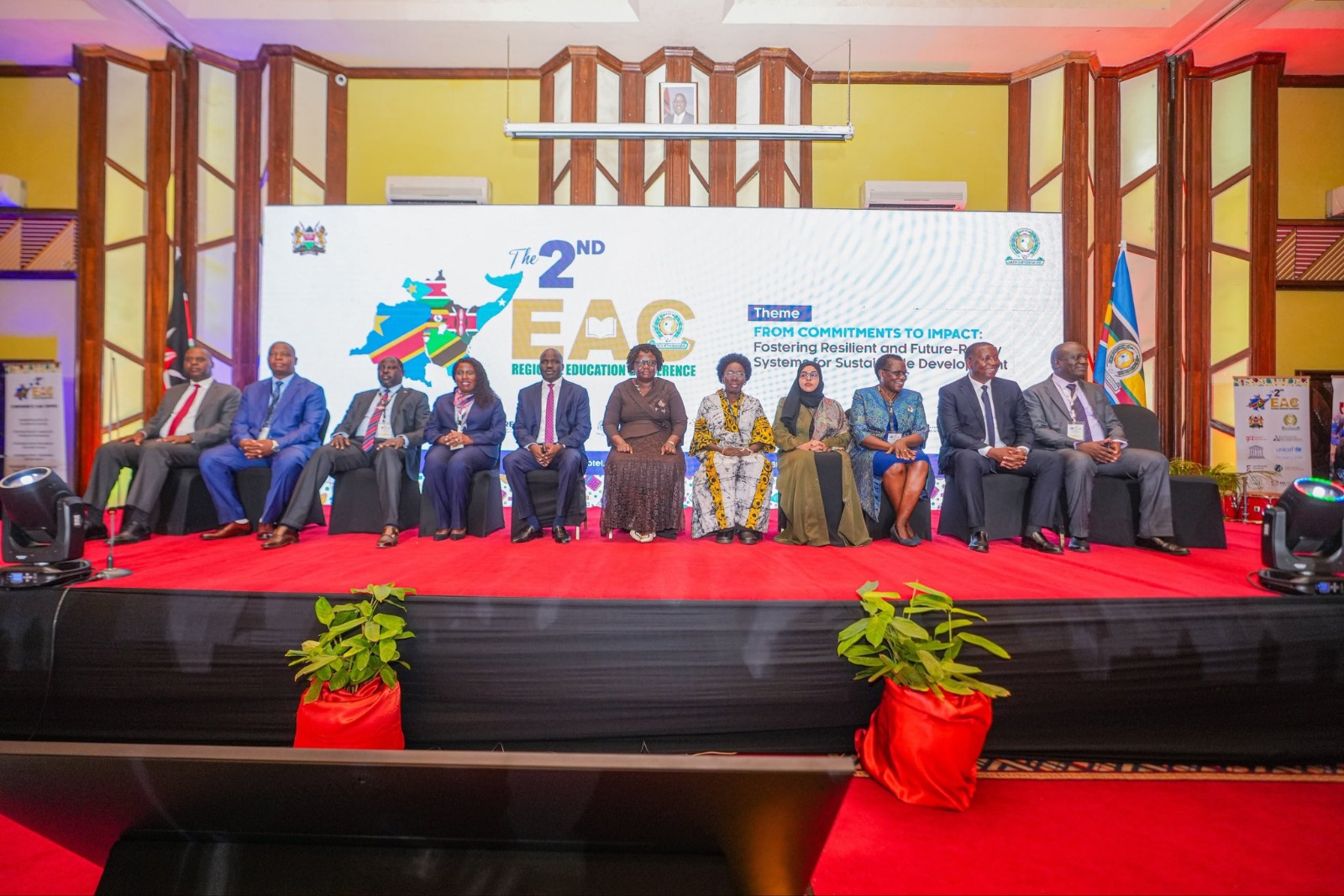
By Lawrence Kooko
Kenyan President William Ruto has challenged East African countries to move beyond education policies and commitments and focus on results that can be seen in the lives of learners.
Ruto made the call in a statement delivered by Kenya’s Cabinet Secretary for East African Community Affairs, Beatrice Askul Moe, at the opening of the Second East African Community Regional Education Conference in Nairobi.
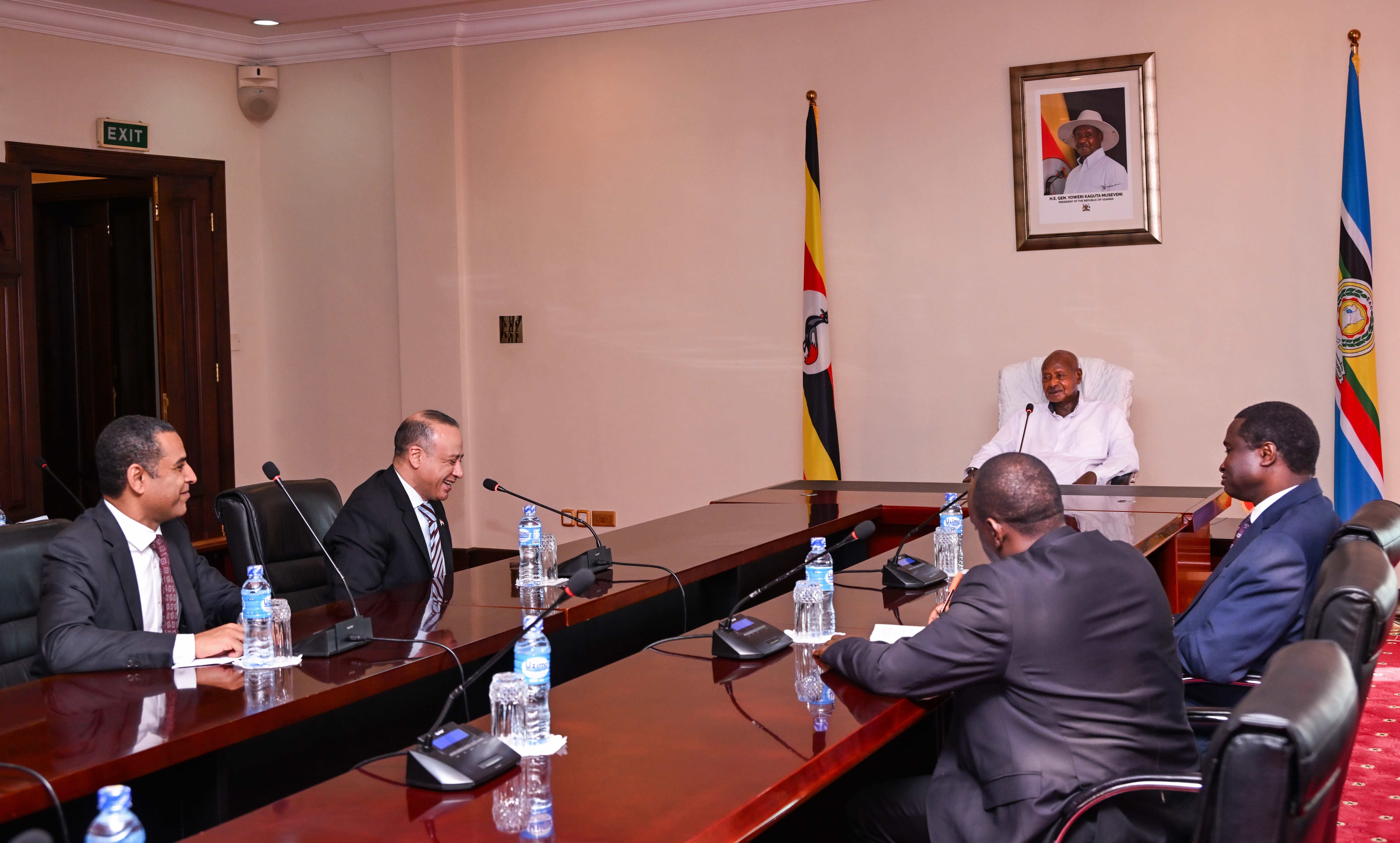
The conference, which runs from August 25 to 28, has brought together education ministers, government officials, teachers, researchers, development partners, civil society organisations and other stakeholders to discuss the state and future of education in the region.
Ruto said East Africa already has numerous education policies, reforms and frameworks, but the test is whether they are improving learning and preparing young people for the world of work.
“The real question is whether our commitments are producing results in the lives of our children. Are our children learning? Are our young people acquiring skills the economy needs?” he said.
He said education systems should be judged by what learners know, what they can do and the opportunities available to them, rather than by the quality of policy documents.
Ruto noted that while access to education has expanded across East Africa, learning outcomes have not improved at the same pace. Too many children, he said, spend years in school without acquiring basic literacy and numeracy, while many young people leave the education system without the skills required by the economy.
He challenged EAC Partner States to identify interventions that are producing results, understand why they work and establish their cost before expanding them.
Ruto also emphasised the role of teachers at a time when artificial intelligence and other technologies are rapidly changing education and the workplace. He called for greater investment in teacher training, professional development and working conditions.
He said technology should support teachers rather than replace them, arguing that while technology can deliver information, teachers remain central to the development of learners.
The President also urged East African countries to equip young people to develop and build emerging technologies rather than remain consumers of innovations developed elsewhere.
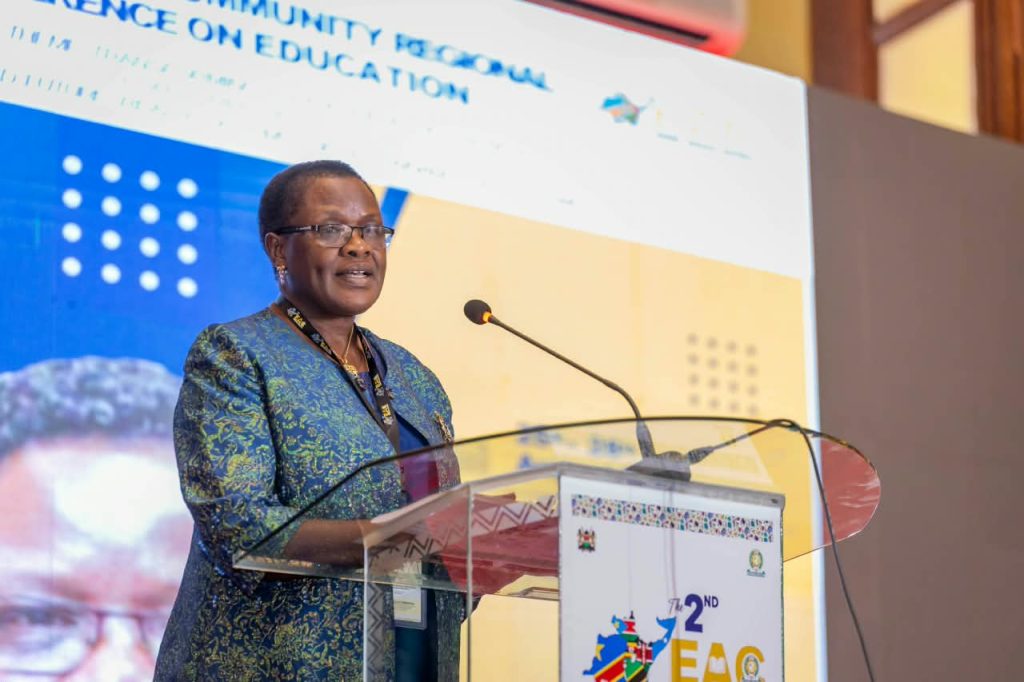
Uganda’s State Minister for Primary Education, Phyllis Chemutai, said education reform must address teacher capacity and welfare, curriculum relevance and the skills learners need in a changing labour market.
Chemutai said learners need digital skills, creativity, critical thinking, problem-solving and entrepreneurship. She said technology should widen access to quality education without deepening existing inequalities.
She also called for education systems that can withstand disruptions caused by pandemics, climate-related disasters, conflict, displacement and economic shocks.
The Chairperson of the EAC Council of Ministers and Uganda’s First Deputy Prime Minister and Minister for East African Community Affairs, Rebecca Alitwala Kadaga, raised concern over the number of school-age children who remain out of school and the learning difficulties facing many of those who are enrolled.
Kadaga also pointed to high attrition at Primary Seven, secondary and higher secondary levels, questioning what happens to children who leave the education system at these stages.
She called for action on teacher shortages, unequal access to education, the digital divide and the mismatch between the skills graduates acquire and those required by employers.
Kadaga also urged Partner States to strengthen education financing and governance, including working towards the benchmark of allocating 20 percent of national budgets to education.
EAC Deputy Secretary General Andrea Arik Malwit said the region’s challenge is not a shortage of policies, but turning regional commitments into action.
He called for clear implementation plans, institutional responsibility and measurable targets, as well as greater regional recognition and mobility of qualifications, skills and talent.
UNICEF representative Eva Kadili said education success should be measured by whether children are learning and progressing, rather than enrolment figures alone.
Kadili said climate shocks disrupted the education of 130 million children across Eastern and Southern Africa between 2005 and 2024, highlighting the need for education systems that can continue functioning during crises.
The Board Chair of the Regional Education Learning Initiative Africa, Professor Mary Goretti Nakabugo, called for stronger cooperation among governments, civil society, teachers, parents and other stakeholders.