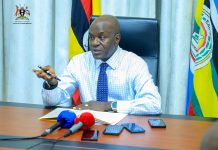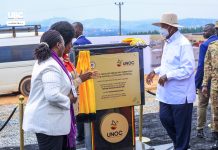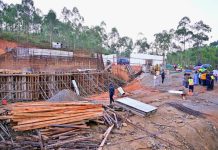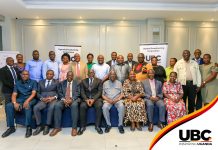
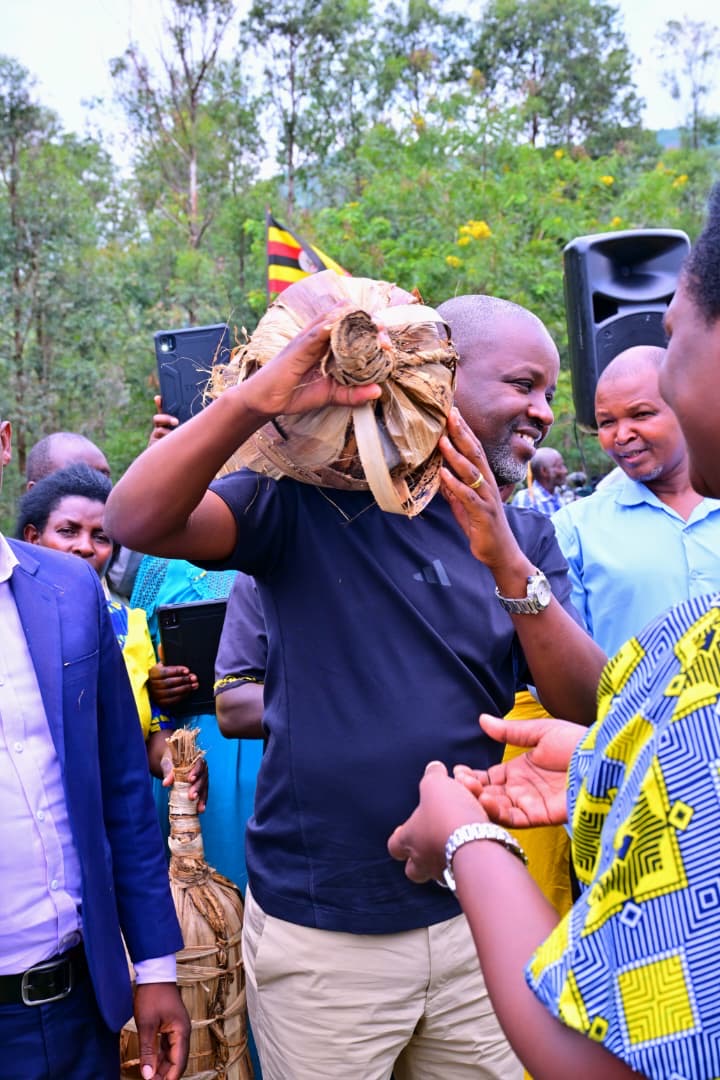
Long delays in accessing Parish Development Model (PDM) funds, alleged illegal deductions, fear of reporting corruption and limited youth representation on PDM committees have emerged as some of the key challenges raised during Deputy Speaker Thomas Tayebwa’s assessment of the programme in Ruhinda North.
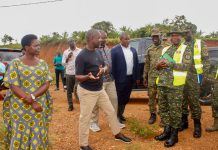
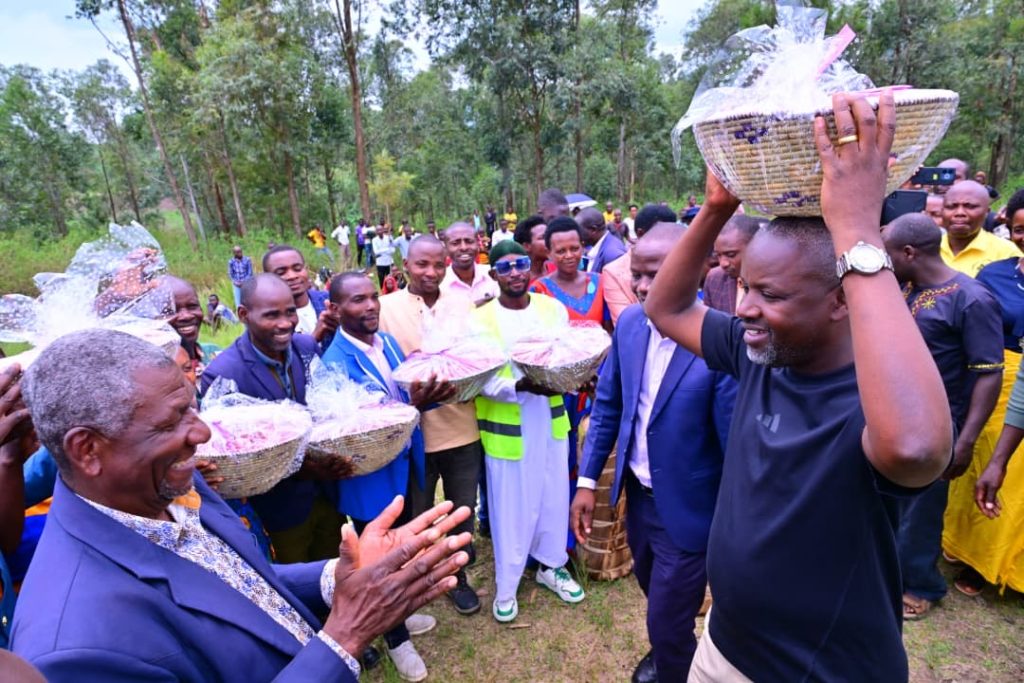
Tayebwa, together with district political and technical leaders, spent Wednesday and Thursday meeting residents across the constituency to assess the performance of PDM funds and hear concerns about their implementation.
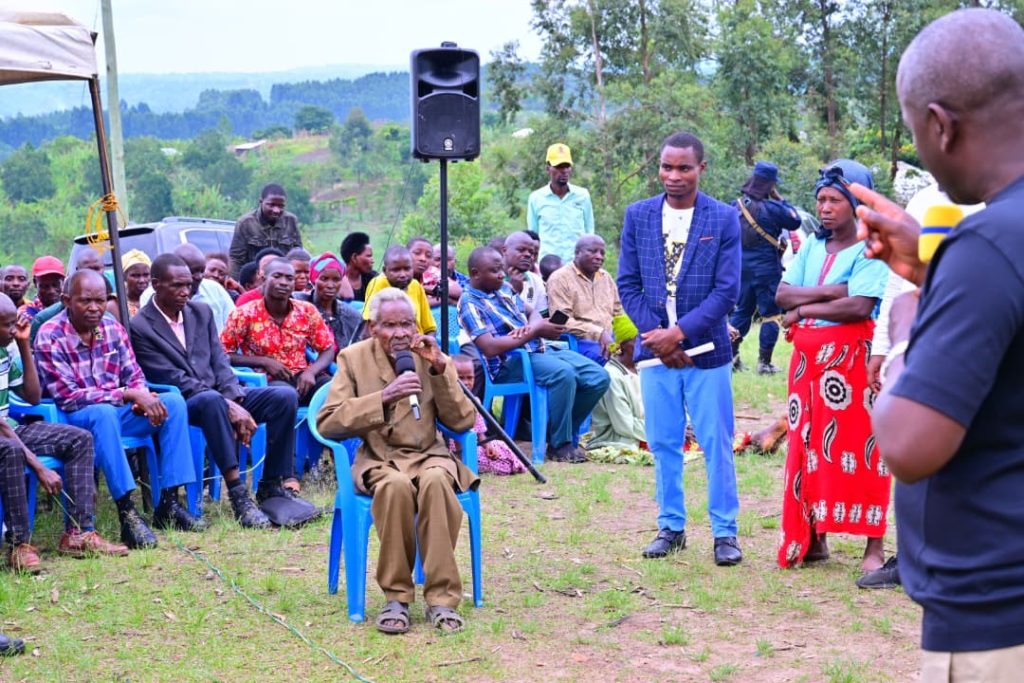
Several applicants told the Deputy Speaker that they had waited for extended periods after registering for the funds, with some reportedly waiting for up to two years.
Tayebwa said the delays were partly linked to the way the funds are released but stressed that the selection of beneficiaries must be transparent and follow the order in which people applied.
“The money comes in installments; there are parishes which are small, they have given all people and they are now starting the second round. But there are parishes that will take time because every year we give 100 million,” he said.
“If a parish has 1,000 families, it means it will take 10 years to cover them. We have to be patient. But what is important is transparency. If a person applies first, a person who applies after that person should not receive money before the one who came first,” Tayebwa said.
He advised that lists of PDM applicants be displayed on parish noticeboards according to the date of application so that beneficiaries can be selected transparently.
Concerns over corruption and illegal charges also featured during the meetings. Tayebwa said residents should not pay anyone to access PDM funds and encouraged them to report attempts to solicit money.
“There are some of you who are afraid to speak out, fearing that the people you’re reporting are the ones who will come back to ask you to pay it back,” Tayebwa told residents. He added that money repaid under the programme remains available to other members of the community.
“This is your money. If someone doesn’t pay, he is costing you as a group and a community,” he said.
The assessment also uncovered cases involving beneficiaries who received less than the Shs1 million expected under the programme, especially during its initial implementation.
Tayebwa explained to beneficiaries that they are required to repay the amount they actually received but noted that a problem arises where someone signed for Shs1 million but received a smaller amount.
He urged those who received PDM funds during the programme’s initial phase to repay the money so that they can apply for another round.
“If you received PDM money when the programme was starting, I would encourage you to start paying back. After paying, you can apply for the second round, and in the second round, you will receive one million,” Tayebwa said.
Another concern involved youth participation in the committees responsible for managing the programme. Nasasira Ronald, the youth councillor for Kigyende Sub-county, said young people were not adequately represented on PDM committees, making it difficult for them to access their share of the programme.
“When they are selecting PDM committee members, they don’t consider youth, yet 30% of the money is supposed to be for youth. We end up not getting our fair share because we are not represented. We appeal that youth be represented at all committees,” Nasasira said.
Tayebwa directed local leaders to review the composition of the committees and ensure that youth are represented.
“You should review all committees and show the youth who are representing them on the committees. If they are not represented, the committees should be changed to add youth representatives,” he said.
There was also confusion over whether people receiving Social Assistance Grants for Empowerment (SAGE), the government programme providing regular cash support to vulnerable older people, qualify for PDM funds.
“If you get SAGE money, you qualify to get PDM money,” Tayebwa clarified.
Other concerns raised during the two-day consultative meetings included attempts by some people to use identity cards that did not belong to them to apply for PDM funds. There were also reports of beneficiaries who were allegedly misled into believing that the funds did not have to be repaid.