By Sarah Mawerere
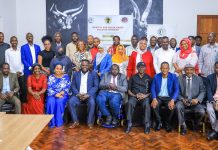
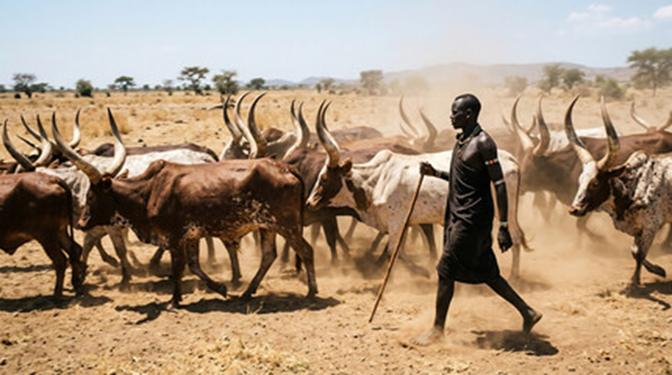
Members of Parliament (MPs), through the Uganda Parliamentary Land Management Forum, have agreed to advance pastoralism priorities, particularly access to grazing land, water and livestock mobility.
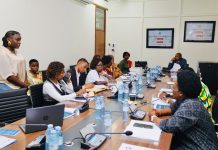
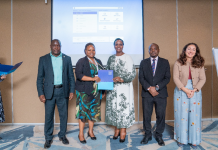
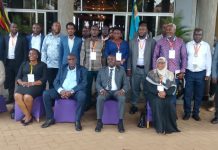
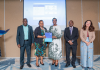
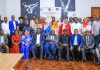
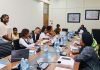
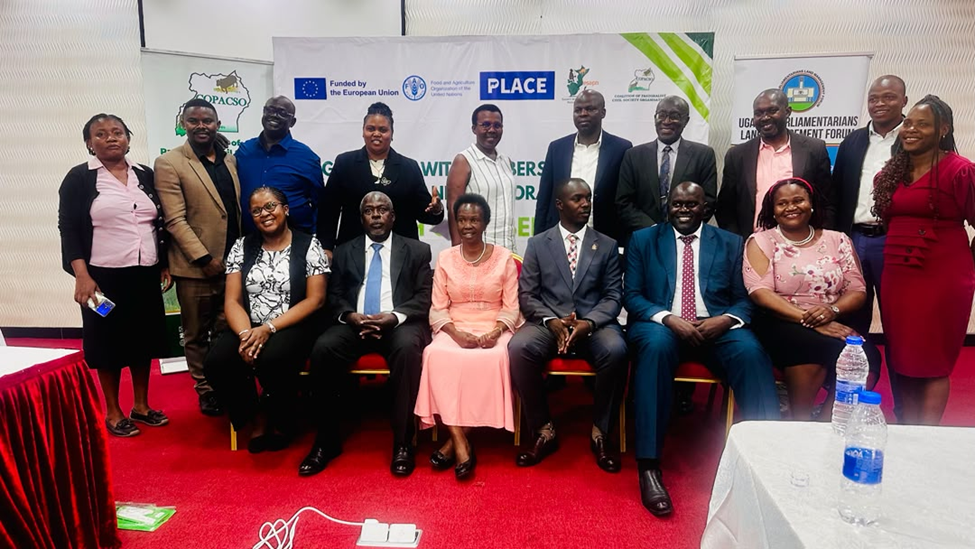
The agreement was reached during a meeting organized by the Eastern and Southern Africa Pastoralist Network (ESAPN) and the Coalition of Pastoralism Civil Society Organizations (COPACSO) at Hotel Africana in Kampala.
The members discussed policies and laws affecting pastoral communities, as well as strengthening efforts to address challenges facing pastoral communities.
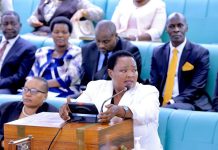
Chairman Uganda Parliamentary Land Management Forum, who is the Member of Parliament-Butemba-Kyankwanzi District, Hon. Bingi Patrick Nyanzi, said land tenure remains a major challenge.
He urged MPs to follow up on policy and legal reforms, pledging to champion the pastoralist concerns in parliament.
Land management and pastoralism are closely linked, as secure access to land could give pastoralists the confidence to take climate action to protect natural resources hence build their resilience to climate change.
The Facilitator for National Land Coalition Dr. Doreen Nancy Kobusingye noted that a policy to protect pastoral livelihoods requires secure access to land.
Dr. Kobusingye further said women and youth need to be included in matters concerning land and pastoralism.
For pastoral households, land is essential for food, income and livestock survival. When grazing areas are divided or enclosed, livestock may lose access to pasture and water. This makes communities more vulnerable during dry seasons.
The Eastern and Southern Africa Pastoralist Network (ESAPN) Coordinator Benjamin Beyeza-Mutambukah called upon Parliament to use its lawmaking, budgeting and oversight powers to address challenges facing pastoral communities.
Mutambukah said Uganda needed policies and laws that protect pastoralist rights and reflect African, regional and international commitments on land governance and sustainable development.
He further called for cooperation between countries to promote peaceful sharing of resources, improve livestock health and support cross-border trade.
Assistant Commissioner- Animal Nutrition- Ministry of Agriculture, Animal Industry and Fisheries, Denis Mulongo Maholo, presented findings from a Regulatory Impact Assessment.
The assessment recommends a dedicated National Rangeland Management Policy supported by legislation.
The proposed policy seeks to improve rangeland management through clear institutional responsibilities, sustainable grazing practices and better access to water. It also addresses livestock mobility, reliable funding and community participation.
The measures are expected to protect rangelands, improve livestock production and support communities that depend on pastoralism.
Meanwhile, the Pastoralism and Livestock Adaptation for Climate Change in Eastern Africa Project (PLACE) Focal Person for Uganda, Dr. Gerald Nizeyimana, highlighted the project’s support for rangeland restoration and improved animal feed management, including interventions in Karamoja region.
He urged Parliament to support reforms that improve feed security, drought preparedness and peaceful livestock movement.
He also called for stronger cooperation between government and pastoralist organizations to increase investment in resilient livestock systems.
Representing pastoralists, COPACSO Chairman Simon Peter Lomoe, called for increased government funding to help pastoral households protect their livestock before droughts and floods become emergencies.
Lomoe said protecting livestock is so pertinent being the main source of livelihood for pastoralist households.
He proposed investment in water facilities, veterinary services, fodder reserves and early-warning systems ahead of expected climate shocks.
The meeting ended on the next step to turn the commitment into action through regular parliamentary engagement, policy and legal reforms.
They also stressed the need to involve pastoral communities in decisions affecting their land and livelihoods.
The meeting was funded by the European Union through the Food and Agriculture Organization of the United Nations (FAO), under the Pastoralism and Livestock Adaptation for Climate Change in East Africa (PLACE) Project.
The participants included members of parliament from the pastoralist areas in Uganda, civil society representatives and the media.