By Joseph Mary Buwule
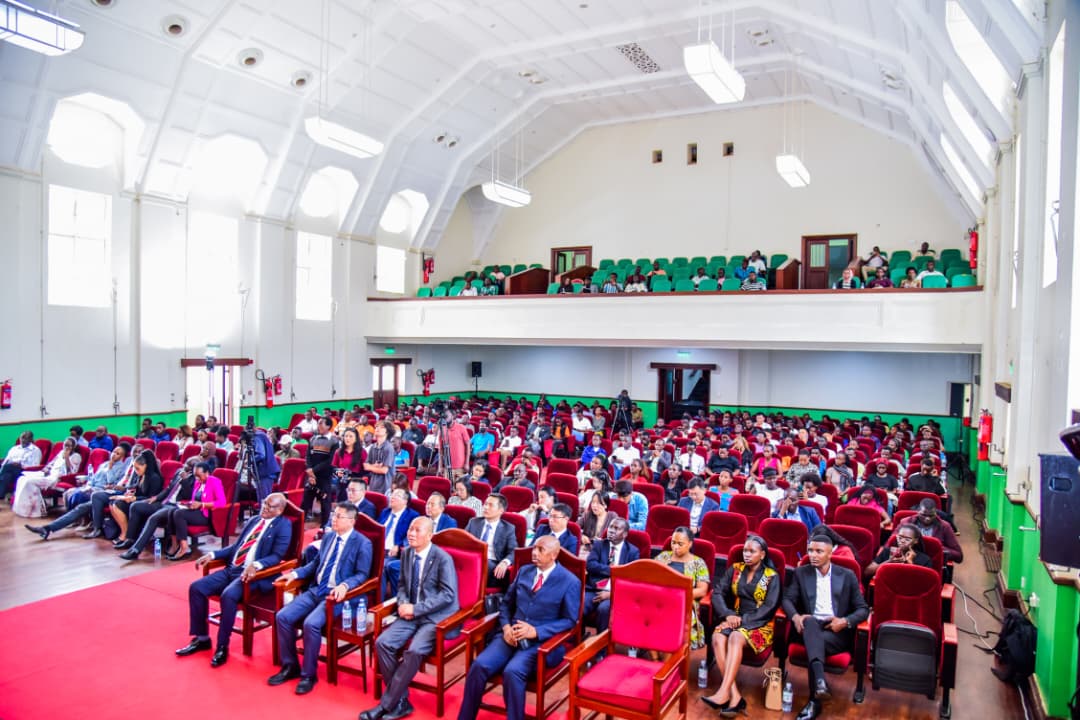
Makerere University is set to establish a Centre for Chinese Studies to strengthen Chinese language education, cultural exchange and academic cooperation as the institution seeks to deepen Uganda’s understanding of China’s development experience and its growing partnership with Africa.
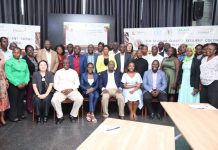
The announcement was made by Makerere University Vice Chancellor Prof. Barnabas Nawangwe during a China-Africa Public Lecture held at the university under the theme “Knowledge, Culture and Economic Transformation: Rethinking China–Africa Partnerships in a Changing Global Order.”
Nawangwe said the proposed centre would go beyond the existing teaching of the Chinese language to provide a platform for broader academic engagement and understanding of China.
“ Apart from the teaching of the Chinese language, we have decided that we are going to establish a Centre for Chinese Studies,” Nawangwe said.
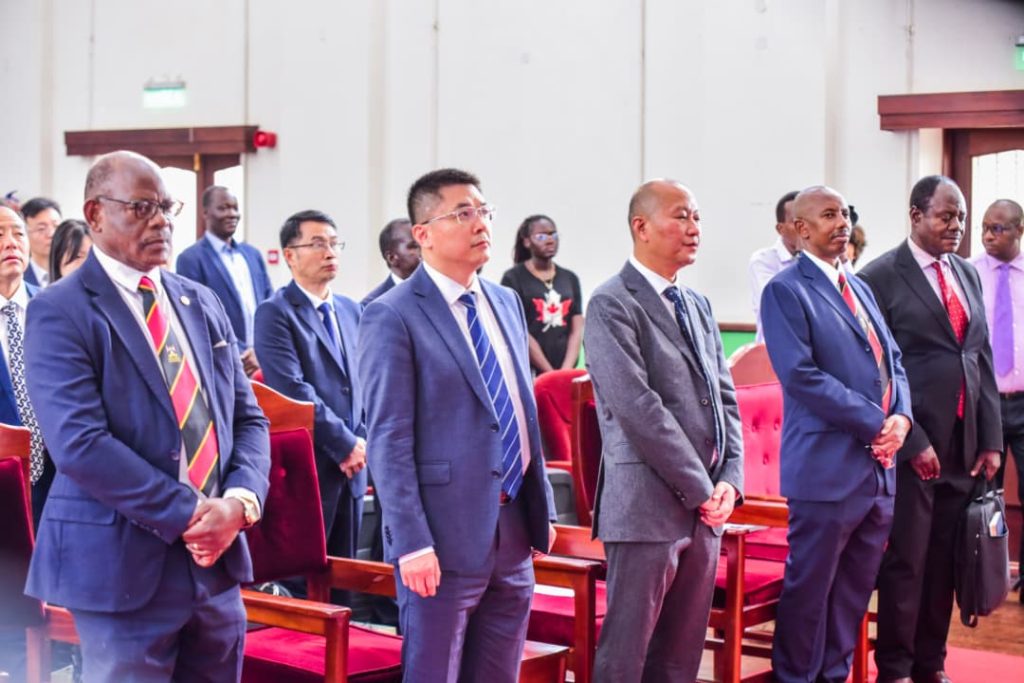
He described China as an important development model from which African countries could draw lessons, particularly in the fight against poverty.
Nawangwe noted that China had experienced foreign invasion and domination by seven world powers, drawing parallels with Africa’s historical experience of colonialism and the partition of the continent.
He said China’s subsequent transformation demonstrated the possibilities of sustained national development and deliberate efforts to improve people’s livelihoods.
“China, in 30 years, managed to move 400 million people out of poverty,” he said, challenging African scholars and policymakers to examine the factors behind the country’s remarkable economic transformation.
The Vice Chancellor said the public lecture provided an opportunity for scholars to critically examine China’s development experience and its relevance to Africa’s search for sustainable economic growth.
The keynote address was delivered by Prof. Julius Kiiza, who challenged participants to critically interrogate the meaning of China-Africa partnerships, particularly against the background of unequal global power relations.
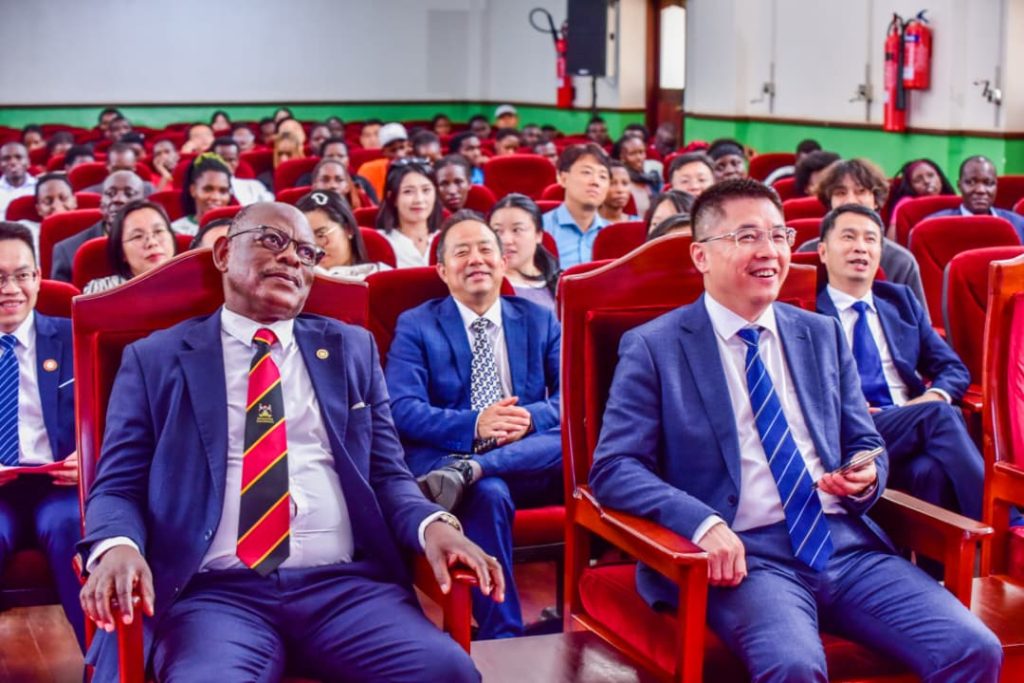
Speaking on the topic, Kiiza questioned whether the language of partnership adequately reflected the actual relationship between China and African countries.
Drawing on his background in political science, which he described as fundamentally concerned with power, Kiiza observed that even the framing of the lecture’s theme, which places China before Africa, could invite questions about the balance of power between the two sides.
“We are supposed to rethink China-Africa partnerships. The people who designed this topic started with China, and then they brought Africa, and they used the word partnership,” he said.
He argued that although the term partnership suggests cooperation between equals, the actual relationship could involve unequal power dynamics.
“As a student of political science, which is basically power, I do appreciate that when you say partnership, you begin in alphabetical order. When you begin with China, then bring Africa, and then say it’s a partnership, you are making a very clear proposition, namely that whereas we are using officially the word partnership, we may be talking about asymmetrical power relations,” Kiiza said.
He explained that asymmetrical power relations refer to unequal relationships in which one partner has greater influence, resources or bargaining power than the other.
Kiiza further called for a distinction between official diplomacy and what he described as real diplomacy, urging scholars to look beyond diplomatic language and examine the actual interests, influence and power structures shaping China-Africa relations.
He questioned whether the two sides were engaging as equal partners or whether African countries were working with China from a position of disadvantage.
His presentation set the stage for broader discussions on how Africa can negotiate partnerships that advance its economic interests while responding to changes in the global political and economic order.
Meanwhile, Prof. Lin Jingang of Xiangtan University reaffirmed the Chinese institution’s commitment to supporting Makerere University’s efforts to strengthen Chinese studies and international academic cooperation.
Lin said Xiangtan University took pride in its achievements and would continue supporting the development of the institute as a regional centre of excellence in language education, cultural exchange and international academic cooperation.
He emphasised the importance of deeper international exchanges and cooperation, describing them as an important component of China’s reform and opening-up process.
“Xiangtan University will continue to give its full support to the Institute’s development as a regional centre of excellence in language education, cultural exchange, and international academic cooperation,” Lin said.
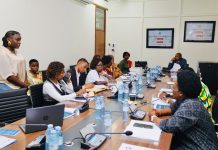
The event also featured a panel discussion moderated by Dr. Eunice Akulo, a lecturer in Political Science and International Relations in Makerere University’s Department of Political Science and Public Administration.
The panel brought together experts in Chinese language education, international relations, cybersecurity, translation and academic cooperation.
Among the panellists was Mr. Mukama Chris, a Mandarin language educator promoting Chinese language education and intercultural communication in Uganda.
Others included Ms. Sarah Mirembe, a political science lecturer at Nkumba University and PhD candidate at Makerere University, whose research focuses on United States and Chinese cybersecurity partnerships in East Africa.
Mr. Godfrey Muhairwe, a PhD candidate in Makerere University’s Department of Political Science and Public Administration and director of Dollar Travel Services, also participated.
The panel further included Ms. Hilda Ayebare, a Chinese translation specialist working with the National Curriculum Development Centre, and Prof. Wang Weiyan, Director of the International Exchange Centre at Xiangtan University and a professor of chemical engineering.
The public lecture comes at a time when China-Africa relations continue to attract growing attention amid shifting global economic and political dynamics.
For Makerere University, the proposed Centre for Chinese Studies is expected to provide an institutional platform for strengthening knowledge exchange, language training, cultural understanding and research into China’s engagement with Africa.
The discussions also highlighted the need for African countries to approach international partnerships with a clear understanding of their national interests, negotiating capacity and long-term development priorities.