By Daniel Mugoya
Uganda’s economy is showing strong signs of recovery, driven by a sharp rise in export earnings and renewed investment in infrastructure. But a new economic digest highlights a deeper concern: growth is not translating into enough jobs or broad-based opportunity.
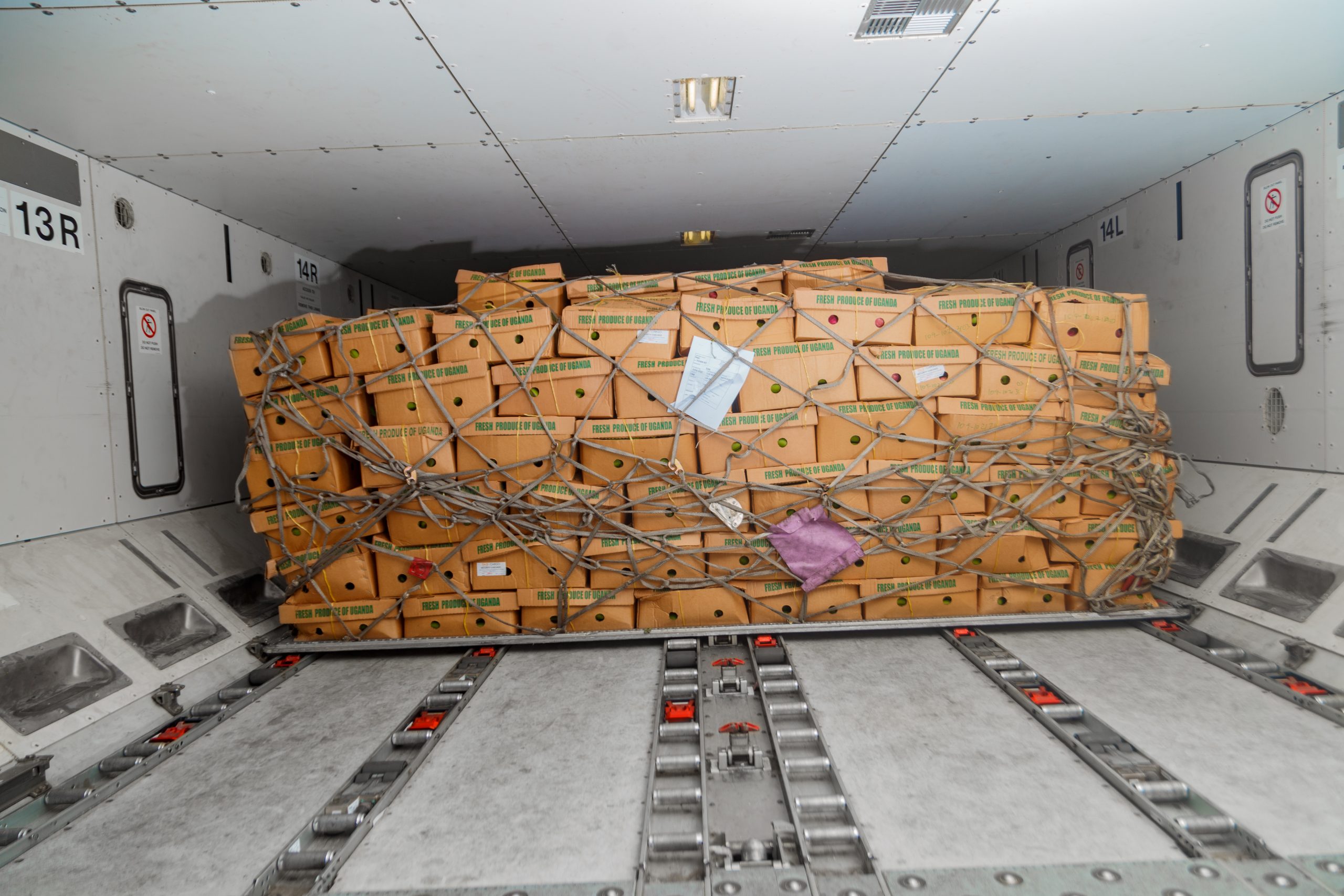
According to the latest Quarterly Economic Digest for January to March 2026, Uganda’s export earnings jumped significantly, reaching US$13.4 billion in 2025, up from US$8.7 billion in 2024, largely on the back of coffee and gold.
The increase has strengthened foreign exchange reserves and supported macroeconomic stability, creating a more favourable environment for government spending and development financing.
But beneath the headline growth, the report raises a key question: who is benefiting?
Growth without enough jobs
Despite improved economic indicators, a large share of Ugandans remain locked out of stable employment.
The report shows that 74 percent of workers are in vulnerable employment, while over half of young people aged 18 to 30 about 50.9 percent are not in employment, education or training (NEET).
Even as the number of registered businesses has risen to 850,000, and mobile money accounts climbed to 33.7 million, access to social protection remains extremely low, with only 2.8 percent of the population covered.
This gap between economic growth and everyday livelihoods is at the centre of the report’s analysis.
Infrastructure push gathers pace
At the same time, Uganda is pushing ahead with large-scale infrastructure projects aimed at unlocking long-term productivity.
Construction of the Kenya–Uganda Standard Gauge Railway has been launched, with completion targeted for 2028. The project is expected to cut travel time by up to 10 hours and reduce freight costs by about 35 percent, easing movement of goods across the region.
In parallel, the government has secured financing for major infrastructure investments in energy, transport and water systems, with expected gains including job creation, improved service delivery and lower production costs.
However, the report warns that expanding transport corridors could also increase risks such as human trafficking and smuggling if not properly managed.
Informal economy remains dominant
The digest points to Kampala’s ongoing efforts to formalise trade and transport as a test case for how policy can bridge the gap between growth and livelihoods.
With an estimated 350,000 boda boda riders in Kampala alone, and about one million nationwide, the sector remains one of the country’s largest sources of employment after agriculture.
Street vending and informal trade continue to sustain thousands of households, particularly in urban areas. But attempts to formalise these sectors face resistance due to high costs of registration, limited incentives and uneven enforcement.
The report notes that formalisation efforts succeed where they offer real benefits, such as access to finance, social protection and simplified processes. Without these, many workers remain in the informal sector.
Youth under pressure
The report also highlights a growing crisis among young graduates.
Despite years of education, many are unable to find work, with some turning to informal trade or relying on family and social networks to survive. Limited access to capital remains a major barrier for those trying to start small businesses.
The report calls for targeted support, including expanded access to affordable loans, investment in entrepreneurship, and easier business registration processes to help young people turn ideas into viable enterprises.
The bigger picture
Uganda’s economy is growing, with strong export performance and rising investment.
But the report makes clear that growth alone is not enough.
The real challenge is ensuring that economic gains translate into jobs, income and opportunity for a wider share of the population — especially young people and those in the informal economy.
Until that gap is addressed, the benefits of growth risk remaining concentrated, leaving many Ugandans on the margins of an expanding economy.