
By Tumwine Byaruhanga
Uganda remains among the faster-growing economies in sub-Saharan Africa, even as new global shocks begin to weigh on the region’s outlook, according to the latest International Monetary Fund report.
The IMF notes that countries like Uganda were part of a strong 2025 performance, where regional growth hit about 4.5 percent, the fastest in over a decade, supported by improved policies, stable inflation and better fiscal management.
But that momentum is now facing pressure.
Across sub-Saharan Africa, growth is projected to ease slightly to about 4.3 percent in 2026 as the impact of rising global tensions begins to filter through economies.
Rising costs and external shocks
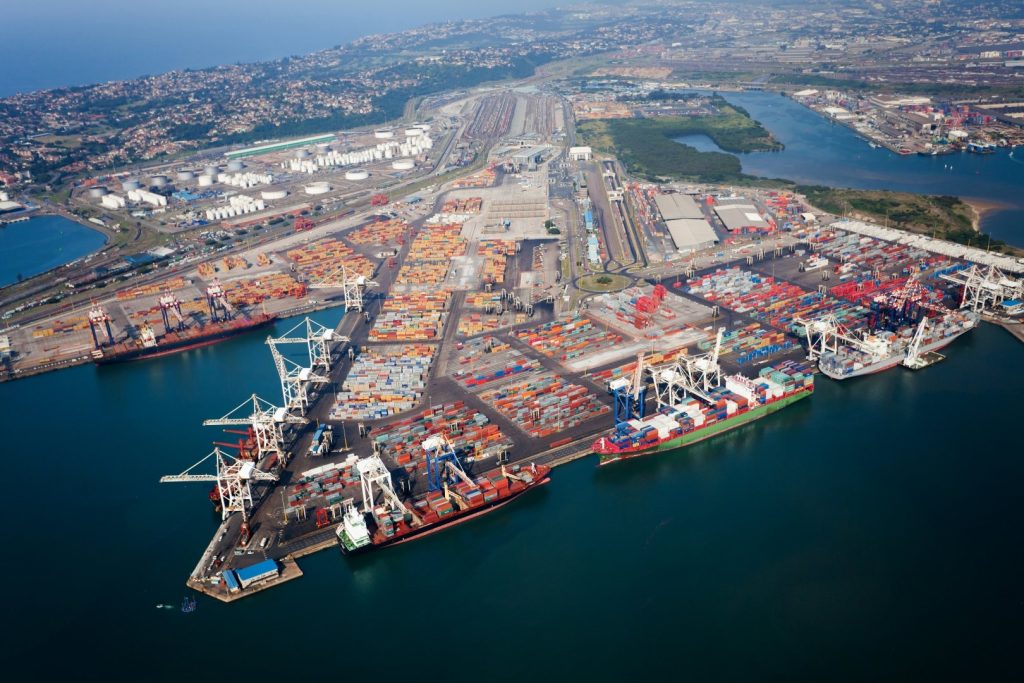
The IMF points to the ongoing conflict in the Middle East as a key disruptor, pushing up prices of fuel, fertilizer and shipping. These increases are already raising the cost of living, especially in oil-importing countries like Uganda.
Higher fuel and transport costs are expected to feed into food prices and broader inflation, reversing some of the gains seen in 2025 when inflation had eased across much of the region.
Tourism, trade and remittance flows are also under strain, with disruptions to global supply chains and weaker demand from key markets.
Uneven impact across the region
The effects are not uniform.
Oil-exporting countries are expected to benefit from higher global prices, boosting revenues in the short term. But for non-resource-rich economies, the picture is tougher, with widening trade deficits and rising import bills.
For Uganda and similar economies, the pressure is likely to show up in higher living costs and tighter fiscal space, even as growth remains relatively resilient.
Inflation and food security risks
Inflation across the region is projected to pick up again, reaching around 5 percent by the end of 2026, driven largely by rising food and energy prices.
The IMF warns that a sharp increase in global food prices could worsen food insecurity, potentially pushing millions more people into vulnerability if the shock persists.
Policy focus shifts to stability
Governments are now being urged to strike a balance between protecting households and maintaining economic stability.
Key priorities include:
- Containing inflation through careful monetary policy
- Protecting vulnerable populations with targeted support
- Preserving critical spending on health, education and infrastructure
- Accelerating reforms to support private sector growth
The IMF also highlights the need for stronger domestic revenue collection and more efficient public spending to manage rising fiscal pressures.