By Samuel Ssenono
A consortium comprising Technip Energies, Airbus, Safran and Tereos has agreed to establish a joint venture aimed at developing one of Europe’s largest Sustainable Aviation Fuel (SAF) production facilities.
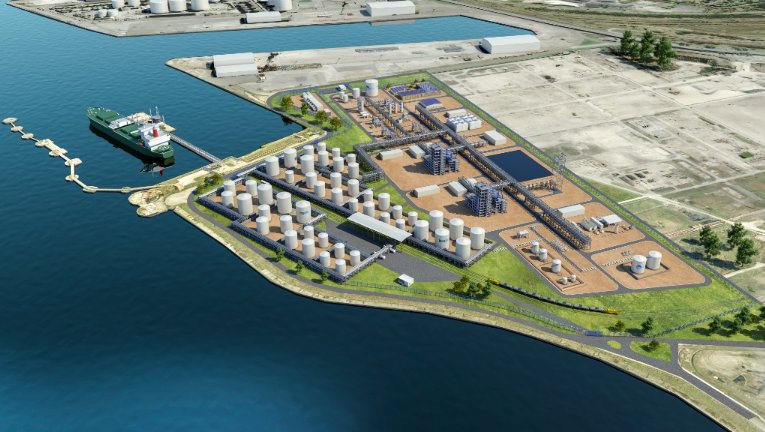
The project, named Rebound, will be located at the Port of Dunkirk in northern France and is expected to produce approximately 160,000 tonnes of Sustainable Aviation Fuel annually using the Alcohol-to-Jet (AtJ) production pathway.
The partners say the facility will play a significant role in supporting the aviation industry’s transition to lower-carbon operations while strengthening Europe’s energy security.
The agreement commits the four companies to fund the project’s development phase, including engineering studies and preparatory activities required ahead of a Final Investment Decision.
The planned facility will convert advanced ethanol derived from agricultural and forestry residues into aviation fuel that can be blended with conventional jet fuel and used in existing aircraft and engines without modification.
Sustainable Aviation Fuel is widely viewed as the aviation sector’s most immediate pathway towards reducing carbon emissions.
Under the European Union’s RefuelEU Aviation regulation, SAF blending requirements are expected to rise from current levels to six percent by 2030 and 70 percent by 2050, creating a sharp increase in demand across the industry.
Technip Energies will lead project development and engineering activities, drawing on its experience in large-scale energy infrastructure projects.
Airbus and Safran will participate as industrial partners and potential fuel off-takers, while Tereos, one of Europe’s leading ethanol producers, is expected to supply the advanced ethanol required for fuel production.
Together, the four companies cover the entire value chain, from feedstock production to the eventual use of the fuel by airlines and aircraft operators.
A key milestone has already been achieved with the Port of Dunkirk allocating an industrial site for the project, providing direct access to transport infrastructure and simplifying future permitting processes.
The partners will now move into the next stages of development, including selection of technology providers, environmental and regulatory approvals, Front-End Engineering Design studies, feedstock agreements, SAF supply contracts and financing arrangements.
The joint venture is expected to be formally established during the second half of this year, subject to regulatory approvals and customary closing conditions.
Commenting on the project, Technip Energies Chief Strategy and Sustainability Officer Benjamin Lechuga described Sustainable Aviation Fuel as one of the most important tools available to reduce aviation emissions, adding that the Alcohol-to-Jet pathway offers a scalable route towards commercial SAF production.
Airbus Chief Sustainability Officer Julie Kitcher said the project demonstrates confidence in both Sustainable Aviation Fuel and Europe’s ability to lead aviation decarbonisation efforts. She noted that the initiative is expected to expand the availability of lower-carbon fuels, strengthen energy security and support the creation of new industrial jobs.
Safran Chief Sustainability Officer Nathalie Stubler said large-scale SAF production is essential for reducing aviation emissions and described the project as an example of European industrial cooperation aimed at building a competitive sustainable fuel sector.
Tereos Chief Strategy Officer Jérôme Bos said the project aligns with the company’s strategy of developing low-carbon industrial value chains and creating additional value from agricultural production through advanced ethanol manufacturing.
If completed, Rebound would become one of the largest Sustainable Aviation Fuel facilities in Europe and a significant contributor to the continent’s efforts to decarbonise air transport.