By Wadulo Arnold Mark
The Ice Breaker
“What diplomatic outcomes do you get when you put 13 intercontinental foreign media delegates in a nation-building simulation?”
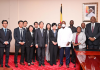
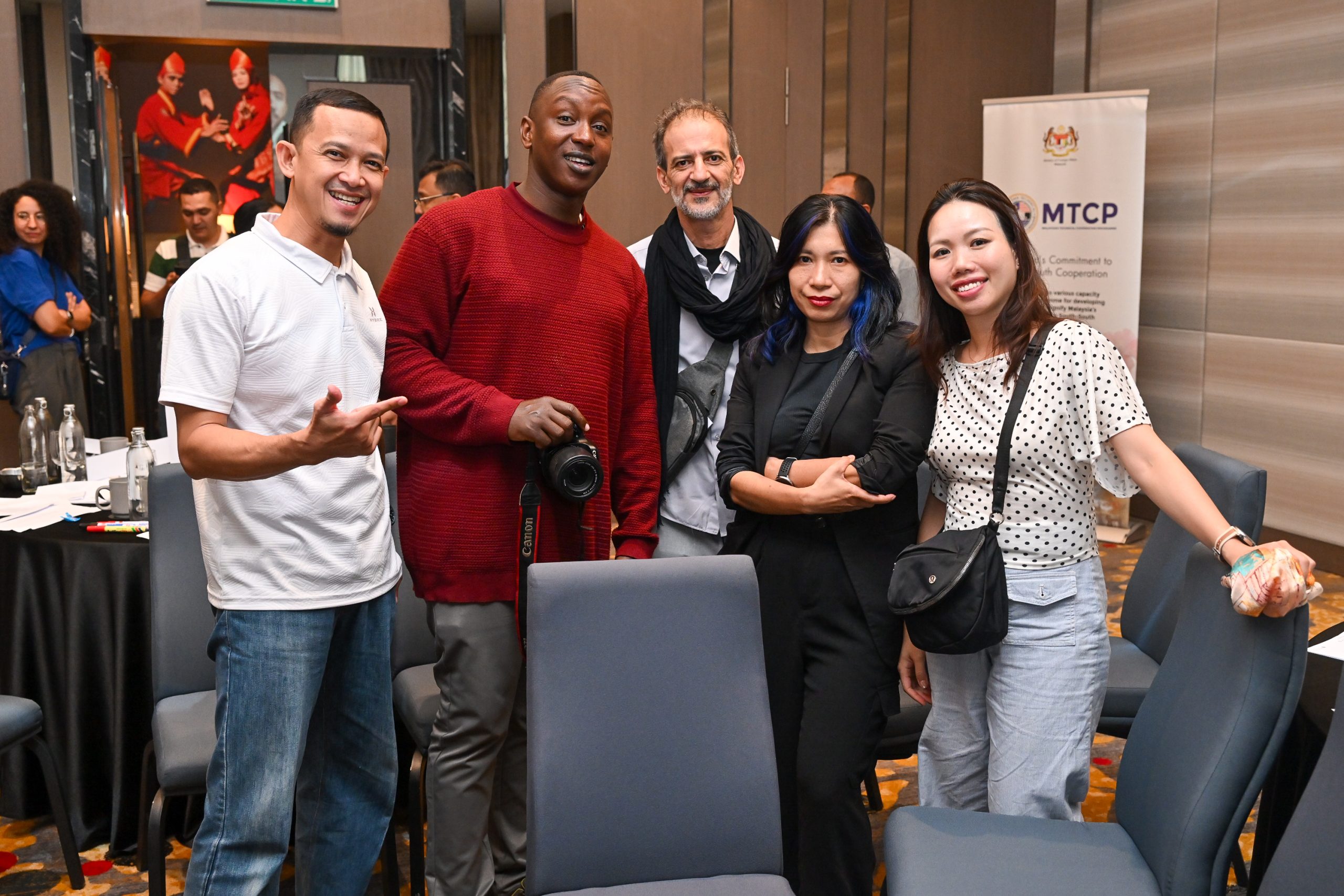
This was the mission embarked on during the opening day of the Malaysia Foreign Media Visitors’ Programme (MFMVP) 2026 at the Pullman Hotel in Kuala Lumpur, which I took part in. I was representing Uganda Broadcasting Corporation alongside public media stakeholders from 10 other countries: Russia, Indonesia, Kenya, Nigeria, Morocco, Ethiopia, Bhutan, Algeria, Pakistan, and Vietnam.
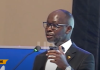
Team builder and business strategist Mohd Zikry Kholil facilitated the full-day sessions on behalf of Malaysia’s Ministry of Foreign Affairs, enabling team members to build trust, form relationships with one another, and feel understood a task he executed in the most practical way.
These sessions were key because participants came from different backgrounds and continents. Therefore, realizing common values was essential if the next supercharged days were to run smoothly and effectively.
To begin, Kholil asked participants to close their eyes and visualize what they saw in themselves in the mirror that morning beyond their appearance, focusing on inner qualities like “greatness” or “potential.”
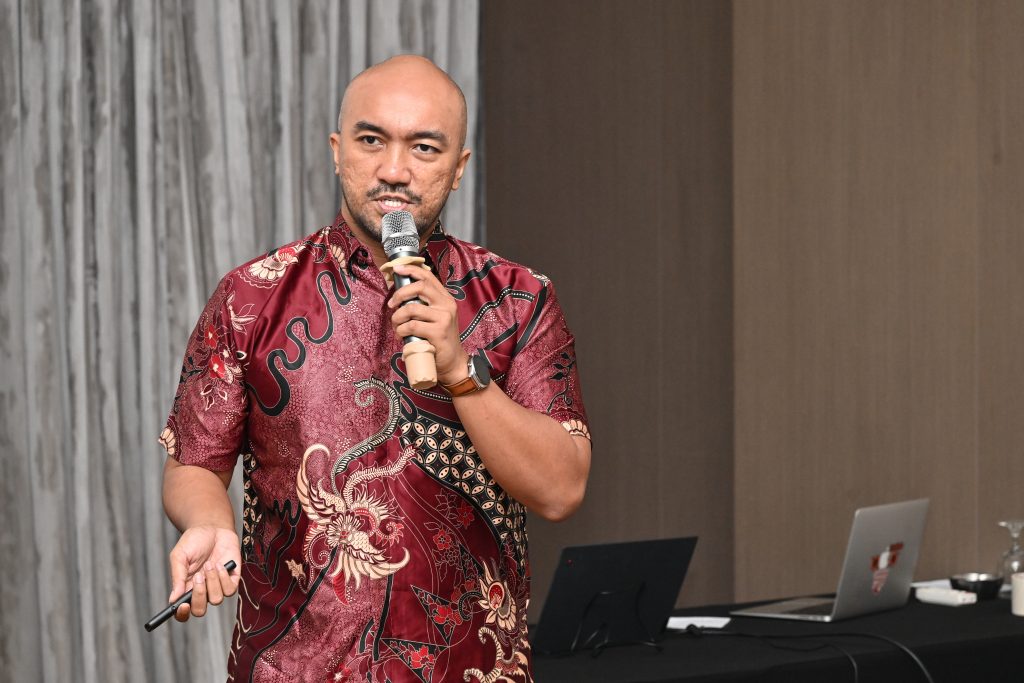
“What did you say or see in yourself this morning when you looked in the mirror?” he asked.
Each participant gave a response that somehow reflected strong personal awareness throughout the room.
The group collectively created a code of conduct for the ten-day programme, agreeing on values such as empathy, mutual understanding, curiosity, respect, and collective development.
Kholil also introduced an appreciation practice he called “Sugar Cubes,” where participants wrote anonymous notes to one another daily to be opened on the final day of the programme.
Pitching Session
About two hours later, participants were tasked with creatively “selling” ordinary items to one another. By this time, the ambience in the room had loosened, and we all knew who was from which country and continent.
During this creative pitching exercise, Dimitri (from Russia), whom I was paired with for the exercise, pitched a pen to me by imbuing it with a sense of historical grandeur and sentiment from the Russian Empire. The facilitator, Kholil, noted that while Dimitri’s pitch was straightforward, it was effective because it leveraged the “sentimental days of the Russian Empire” to create value beyond the object itself. In return, I sold Dimitri a glass by claiming it was the vessel from which King Louis XVI took his final sip of wine before being captured during the French Revolution, which Dimitri purchased for $5,000.
The pitching sessions were designed as a high-energy exercise in the art of influence and persuasion, moving beyond simple sales to explore how journalists and diplomats “sell” narratives to the public, rubber-stamping the idea that successful pitches often leverage sentiment.
Nation Building
After lunch, the facilitator challenged us to step beyond our roles as journalists and become architects of new worlds. I found myself joined by colleagues from Vietnam, Algeria, and Indonesia to birth a nation we called VIAU (pronounced Vaayu) a name woven from our homelands’ initials.
We defined ourselves as a “teenage nation” with a mean age of 13, standing by the motto, “Justice for people, independence for my country.” We sketched a flag of hands uplifted in love, embodying our core values of human rights and respect.
Across the room, Dimitri and Patricia forged Techlabistan (the United States of Techlabistan). Their motto, “Prosperity through Innovation,” was mirrored in a flag of red for humanity and blue for technology, centered by a brain symbol to remind us that people must always outrank machines.
My highlight came when each simulated nation was given handfuls of printing paper to build the tallest tower in about six minutes, using only telepathic communication, with each member contributing sheets of paper. My country, VIAU, built fast and high. By the third minute, we had three stories and were still rising. However, by the fourth minute, our tower came crumbling down due to having a small base and beams that easily gave way to a slight wind.
ASICA Federation (Kenya, Vietnam, Ethiopia, Morocco, and Nigeria) struggled with their foundation but eventually got it right at three stories, while, after a few failed attempts, the United States of Techlabistan (Russia, Bhutan, Indonesia, Kenya and Morocco) decided to top their one-floor tower with a paper boat.
Then, the mood shifted.
Mr. Kholil fast-forwarded us five years into a grim reality: climate change had slashed a shared river’s flow by 55%. The Diplomatic Crisis Summit was no longer a game; it was a battle for survival.
As downstream neighbours, we in VIAU pleaded for equitable water distribution to sustain our food production and transport, but the upstream ASICA Federation stood firm, refusing to halt their dam project in the name of national sovereignty.
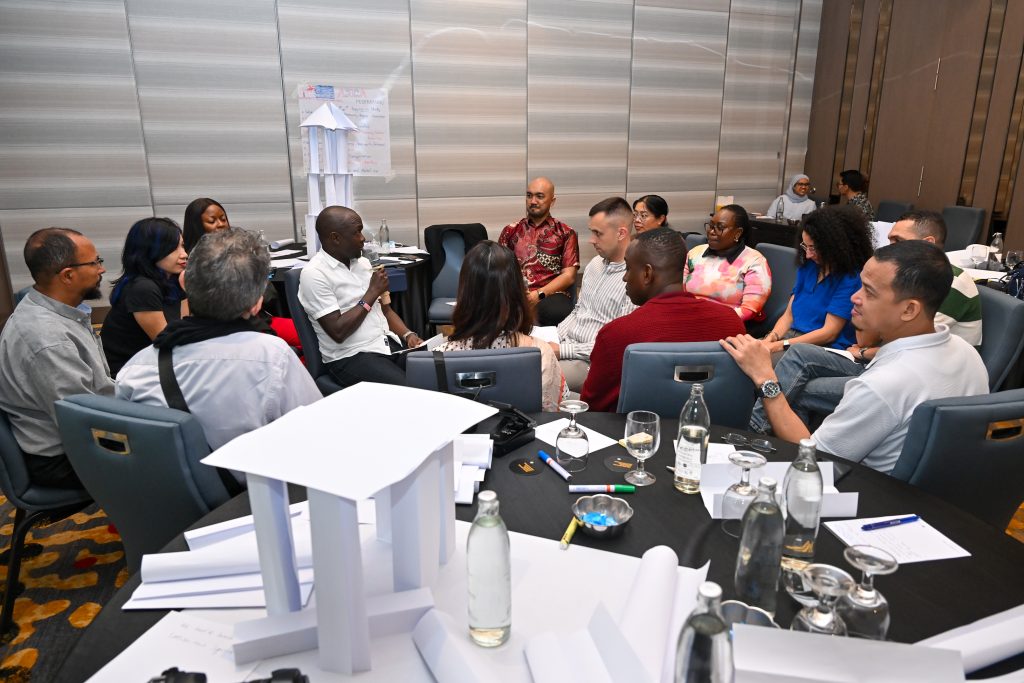
The room crackled with tension as “breaking news” began to disrupt our negotiations. A catastrophic earthquake struck ASICA, affecting one billion people, while Techlabistan suddenly announced the discovery of 100-year underground water reserves.
We watched as ASICA, in a display of fierce pride, rejected a “$200 billion aid offer from Elon Musk” because “investor” demanded 30% of their natural resources.
Through this simulation, I learned that transparency in diplomacy is a delicate balance; showing your weaknesses can lead to exploitation. I also realized that emotional delivery can often cloud a genuine message. Ultimately, we found that in the high-stakes theatre of international relations, national pride is a heavy burden, and trust remains the rarest resource upon which many bilateral relations depend.
This account chronicles the author’s experiences during the Malaysia Foreign Media Visitors Programme (MFMVP) 2026. The nations, geopolitical crises, and negotiations were part of a nation building simulation and were fictitious, designed to challenge delegates’ skills in diplomacy, storytelling, and international cooperation.