By Sharon Kyomugisha
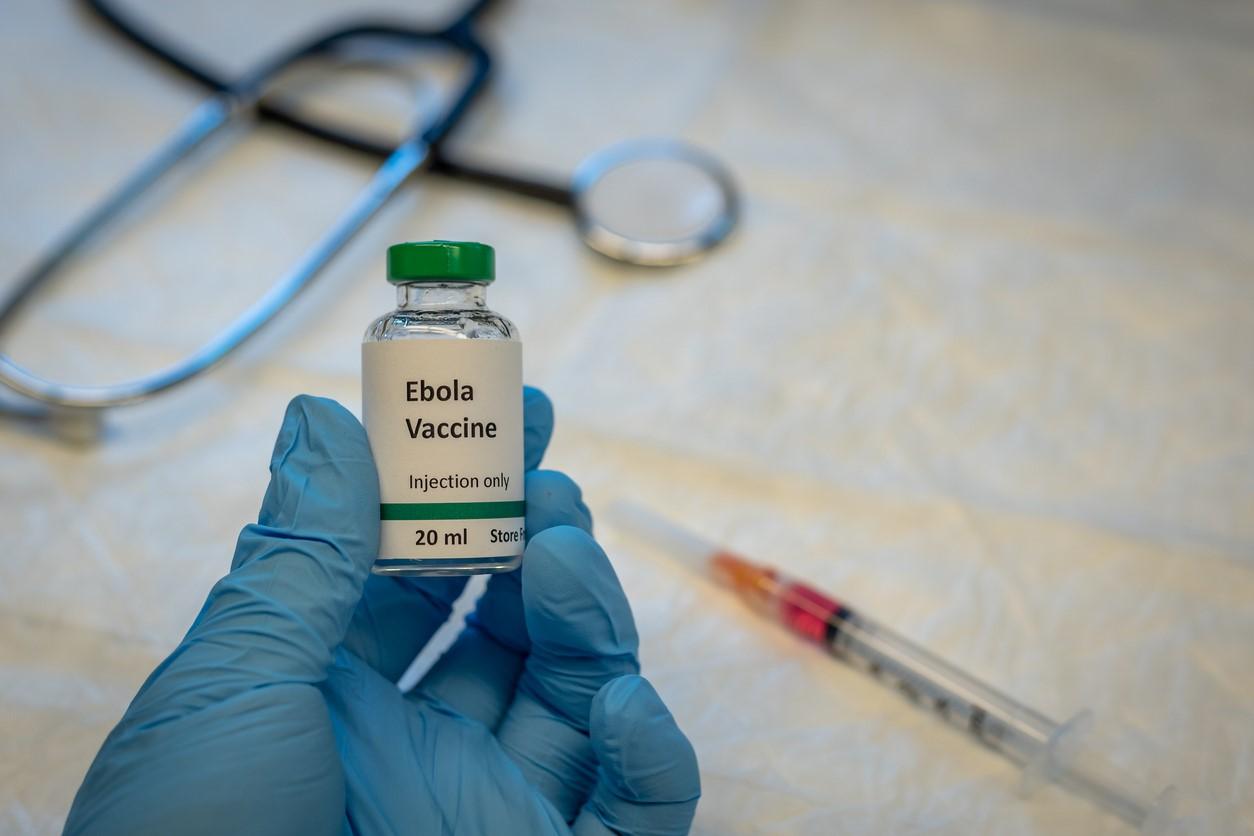
The University of Oxford is recruiting 50 healthy volunteers aged between 18 and 55 for the first Phase I clinical trial of a vaccine developed to protect against Bundibugyo ebolavirus.
The study, to be conducted in Oxford, will evaluate the safety, tolerability and immune response of the experimental ChAdOx1 BDBV vaccine. Recruitment and screening of volunteers are already underway, while vaccinations will begin after regulatory approval, followed by scheduled monitoring visits.
The vaccine has been developed in response to the ongoing Bundibugyo Ebola outbreak, for which there is currently no licensed vaccine specifically targeting the virus.
To support the rapid launch of the trial, the Serum Institute of India has manufactured and stockpiled approximately 620,000 doses of the vaccine candidate within two weeks for potential future use. The institute has also supplied 4,000 investigational doses for the Phase I study.
The programme is supported by the Coalition for Epidemic Preparedness Innovations (CEPI), which has committed US$8.6 million to the University of Oxford and the Serum Institute of India to accelerate the development of Bundibugyo Ebola vaccines.
Preparations are also underway for additional clinical studies with partners, including the Medical Research Council/Uganda Virus Research Institute and the London School of Hygiene and Tropical Medicine Uganda Research Unit, subject to regulatory approval.
The ChAdOx1 BDBV vaccine was developed by scientists at the University of Oxford’s Oxford Vaccine Group and Pandemic Sciences Institute using the same viral vector platform that was used to develop the Oxford-AstraZeneca COVID-19 vaccine.
Professor Teresa Lambe, Lead Scientific Investigator for the study, said the continuing Bundibugyo Ebola outbreak underscores the urgent need for effective vaccines and treatments.
She said the vaccine candidate reached clinical evaluation just 57 days after the World Health Organization declared the outbreak a Public Health Emergency of International Concern, demonstrating the importance of global scientific collaboration in responding to emerging health threats.
Professor Katrina Pollock, Chief Investigator at the Oxford Vaccine Group, described the first-in-human trial as a significant milestone in the development of a Bundibugyo Ebola vaccine.
She said the study will evaluate the vaccine’s safety and immune response under rigorous clinical standards and appealed to eligible volunteers to participate in the research.
CEPI Executive Director for Preparedness and Response, Dr Nicole Lurie, said every step towards developing a safe and effective Bundibugyo Ebola vaccine strengthens the global response to the outbreak and brings the world closer to protecting vulnerable communities.
Serum Institute of India Chief Executive Officer Adar Poonawalla said rapid vaccine development depends on speed, preparedness and international collaboration. He said the institute was proud to support the trial by supplying investigational vaccine doses for clinical evaluation.
If the Phase I trial is successful, CEPI, the University of Oxford and the Serum Institute of India plan to support larger clinical trials to generate data required for emergency use authorisation or full licensure.
Africa Centres for Disease Control and Prevention Director General Dr Jean Kaseya welcomed the launch of the trial, saying it represents an important step towards developing tools to combat Bundibugyo Ebola.
He noted, however, that while early-stage clinical trials will not provide an immediate solution to the current outbreak, they are essential in developing safe and effective vaccines for future public health emergencies.