Uganda has begun a critical 42-day countdown towards being declared free of the Ebola Bundibugyo virus outbreak, following the absence of new confirmed cases for the past 21 days.
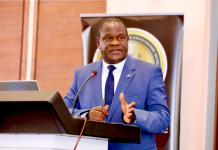
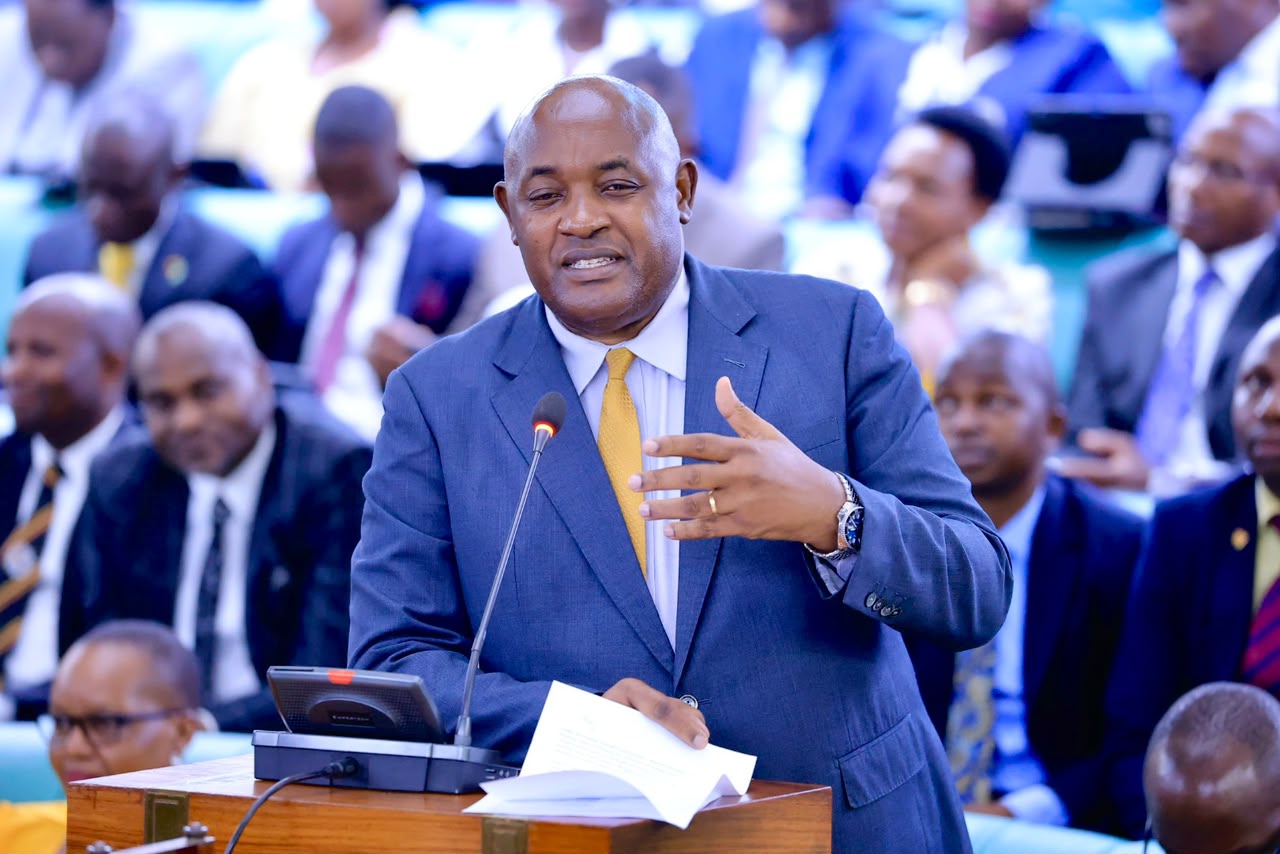
The Minister of Health, Dr. Chris Baryomunsi, told Parliament on Thursday that although the last patient had been discharged from the Ebola Treatment Unit at Mulago National Referral Hospital, Uganda cannot yet be declared Ebola-free under World Health Organisation (WHO) guidelines.
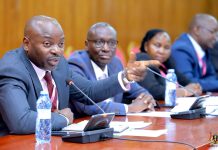
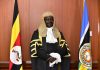
Speaking during a plenary sitting chaired by Speaker Jacob Marksons Oboth, Baryomunsi said the country must complete 42 days without a new confirmed case, equivalent to two incubation periods, before the outbreak can officially be declared over.
“There are no new confirmed cases in the last 21 days. This is the strongest available epidemiological signal that local human-to-human transmission has been interrupted,” Baryomunsi said.
He explained that the 42-day period is the final stage of monitoring, with the countdown having begun following the latest confirmed case.
Since the outbreak was declared on May 15, 2026, Uganda has recorded 20 cases, including 15 imported cases from the Democratic Republic of Congo (DRC). Two patients died.
Baryomunsi attributed the country’s response to the experience gained from previous outbreaks, noting that most of those who died had presented for treatment late.
Meanwhile, Uganda continues to support the DRC in its response to the virus. The Minister said President Yoweri Museveni had approved the establishment of four Ebola treatment centres in the DRC, while more than 50 Ugandan specialists have been deployed to support the response.
Joint surveillance is also ongoing, with laboratories established at border points in Arua and Kasese districts.
The government has intensified public awareness campaigns in border communities and restricted community markets in affected areas. Baryomunsi said the borders with the DRC will remain closed as a joint task force continues consultations on the way forward.
He also revealed that government is engaging countries that imposed travel restrictions on Ugandans following the outbreak.
However, the Shadow Minister of Health, Hon. Sheilah Amaniyo, criticised the government’s communication during the outbreak, saying unclear messaging negatively affected Uganda’s international image and tourism sector.
She argued that the outbreak was not a widespread local epidemic but that inadequate communication led the international community to perceive Uganda as a high-risk zone, resulting in tourists cancelling planned visits.
The Chairperson of the Committee on Health, Hon. Julius Rude, commended the government’s interventions in containing the outbreak.
Uganda remains under close surveillance as it completes the final 42-day monitoring period required before the WHO can declare the outbreak officially over.