Parliament has demanded a detailed breakdown of the price at which the Uganda National Oil Company (UNOC) supplies fuel to oil marketing companies, as MPs seek answers over the sharp rise in pump prices.
The demand followed a statement by the Minister of Energy and Mineral Development, Dr Monica Musenero, who attributed the increase to several factors, including the depreciation of the Uganda shilling, a Shs200 increase in fuel excise duty introduced in the 2026/2027 financial year, and pressures on international oil supplies.
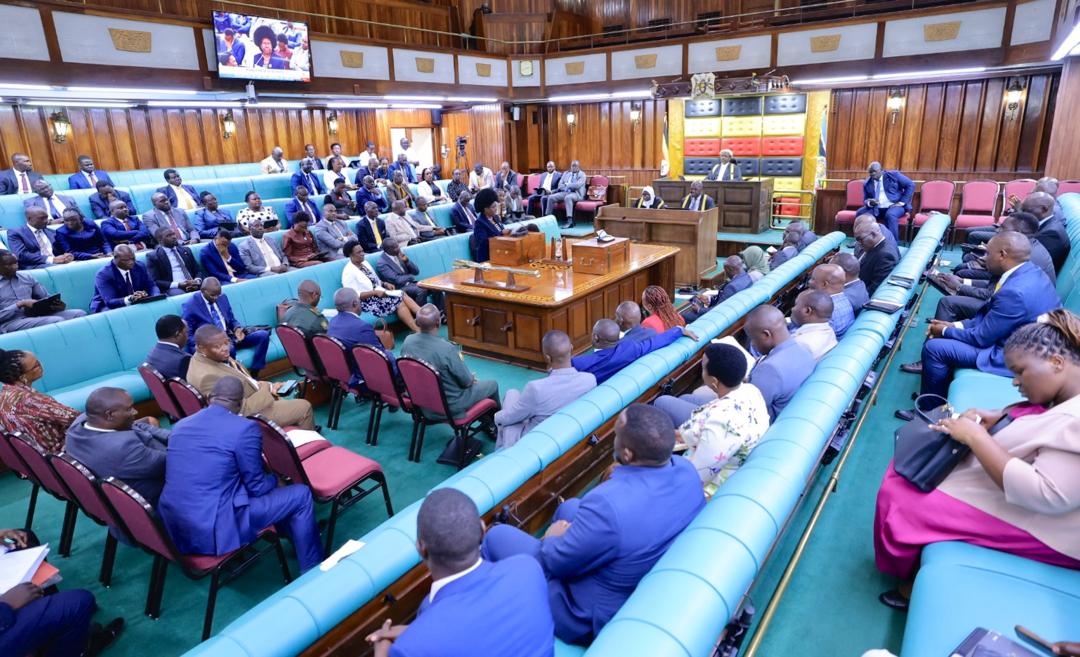
Presenting the statement to Parliament on Wednesday, October 7, Musenero said UNOC serves as a buffer against international price shocks and helps the country mitigate shortages and price increases experienced in neighbouring countries.
However, Deputy Speaker Thomas Tayebwa challenged the Minister to disclose UNOC’s actual selling price to oil marketing companies, saying Parliament needs to establish how much is added to the price before fuel reaches consumers.
Leader of the Opposition Joel Ssenyonyi also questioned the government’s decision to increase the fuel excise duty, arguing that MPs had warned during the budget process that the additional tax would contribute to higher fuel prices.
Other legislators called for temporary tax relief on petroleum products and the suspension of the Shs200 excise duty increase, saying the measure could have wider effects on the economy.
Defence Minister Kiryowa Kiwanuka said the country’s fuel prices were also being affected by international oil prices, noting that Uganda relies entirely on imported petroleum products. He said the country was not experiencing a fuel shortage but was facing a price challenge driven by international developments, including disruptions linked to the Strait of Hormuz.
MPs also raised concerns about the depreciation of the shilling and its impact on fuel prices and the wider economy. Remigio Achia said the shilling’s decline from about Shs3,600 to Shs4,000 against the dollar had increased the domestic debt burden by an estimated Shs7.6 trillion without additional borrowing.
Minister Musenero told the House that she had not yet received the detailed UNOC selling price but promised to provide the information.
The debate was subsequently adjourned pending a comprehensive government statement addressing fuel prices, the exchange rate and the broader state of the economy.