Scientists in Ivory Coast are developing new cocoa varieties that can withstand declining rainfall and rising temperatures as climate change threatens production in the world’s largest cocoa-producing country.
Ivory Coast accounts for nearly 40 percent of global cocoa production, while the crop contributes about 15 percent of the country’s GDP and supports roughly five million people.
But farmers are increasingly struggling with unpredictable rainfall and prolonged dry conditions, which are affecting cocoa trees and reducing yields.
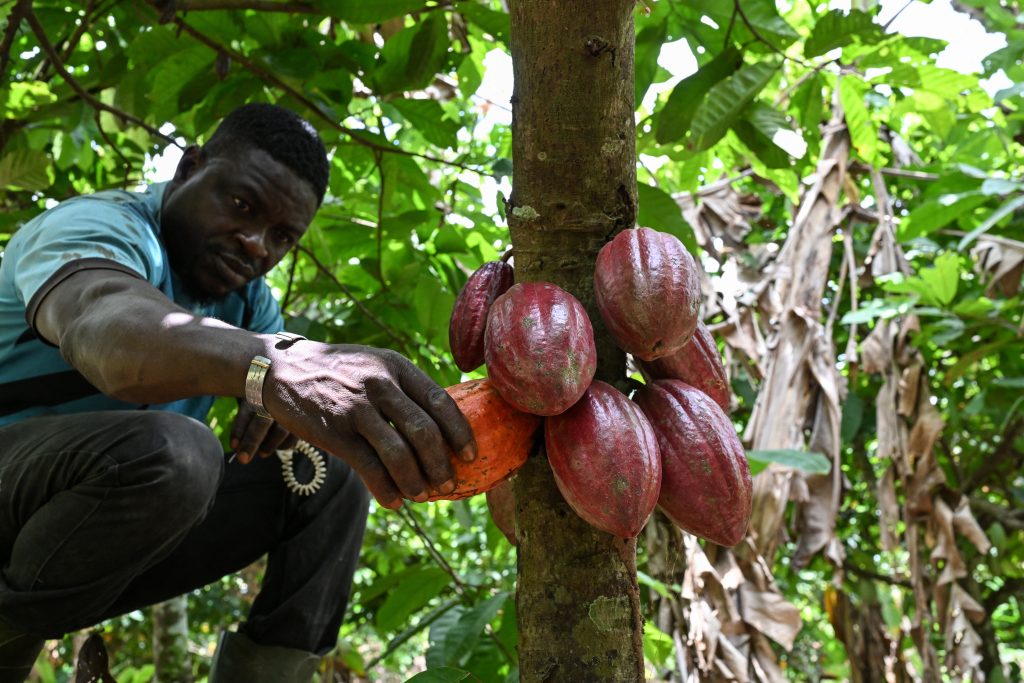
Kofi Alexis Amani, a cocoa farmer, said changing rainfall patterns have left some of his trees wilting or dying.
“You can lose everything,” he said.
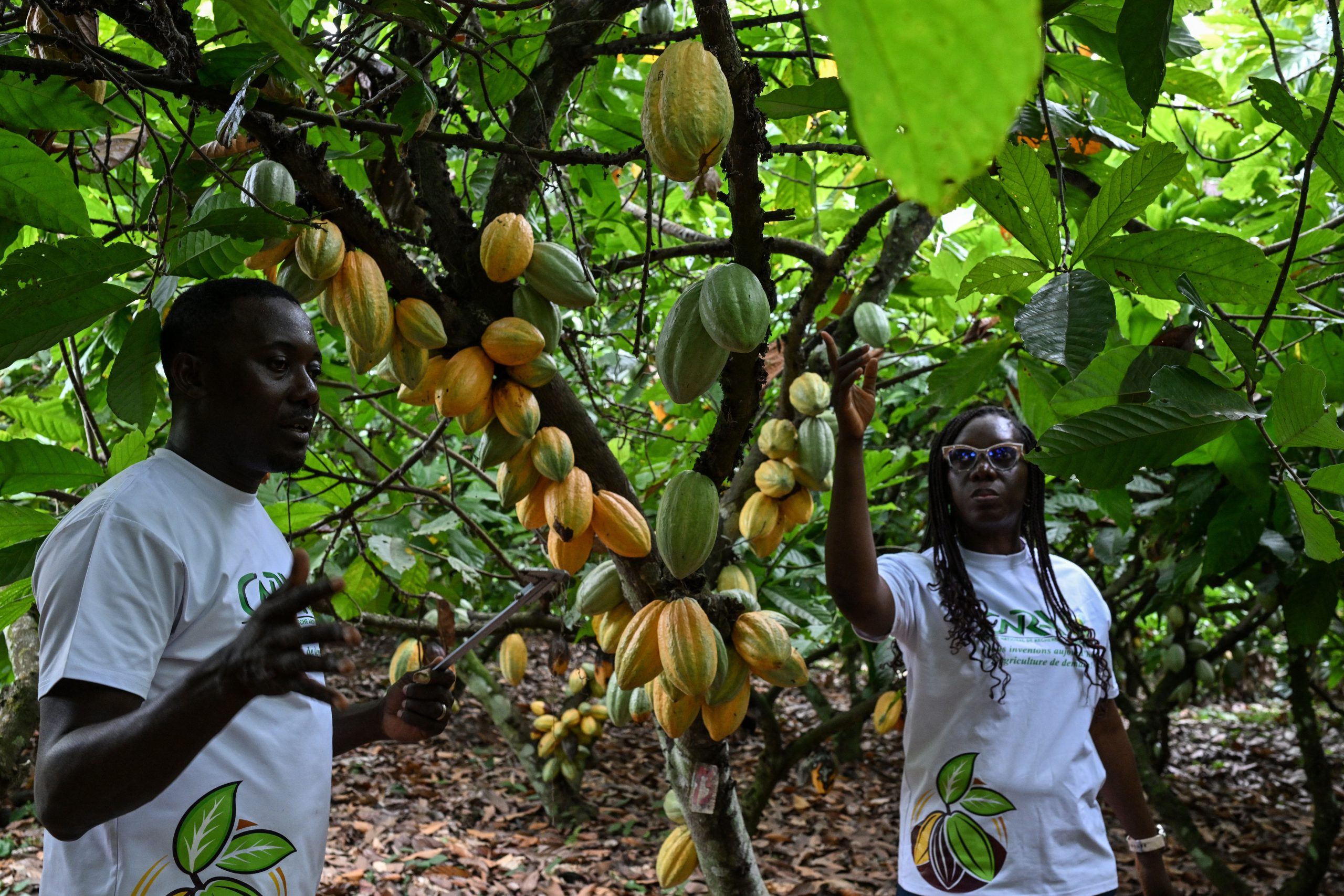
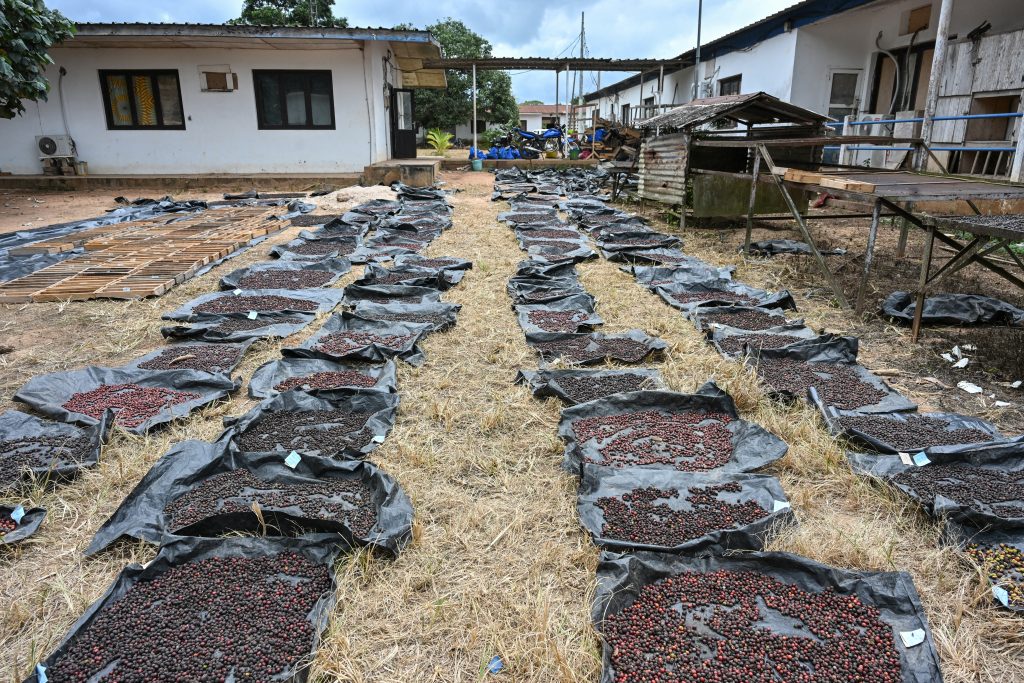
Researchers at the National Center for Agronomic Research (CNRA) are now working on cocoa varieties that are less dependent on regular water supply.
Geneticist Caudou Trebissou said researchers cross selected cocoa plants before testing their offspring under different levels of water stress in greenhouses.
“We take the flowers from the male parents, which we then use to pollinate the flowers of the female parents… it’s their offspring that we take,” Trebissou said.
Researchers have so far identified 11 varieties they consider satisfactory, with plans to eventually make them available to farmers.
Rainfall declines
Rainfall in Ivory Coast has fluctuated since the 1950s but has generally declined since the 1980s.
CNRA agronomist Maryse Assi said average annual rainfall in some cocoa-growing areas fell to slightly above 1,100 millimetres between 2003 and 2022, below the 1,200 to 2,000 millimetres required by cocoa trees.
She said water shortages affect flowering and fruit production and can also reduce soil fertility by making some mineral nutrients less accessible to plants.
Farmers are already seeing the effects.
“When it doesn’t rain, the branches are dry, the leaves curl up” and “the pods are small,” said cocoa farmer Anselme Kouakou.
Farmers turn to shade trees
As researchers work on more resilient cocoa varieties, farmers are also changing how they manage their plantations.
Amani now grows cashew, iroko timber and banana trees alongside cocoa. The additional trees provide shade and help the cocoa plants cope with hotter and drier conditions.
The changes come as Ivory Coast faces the prospect of more extreme weather, including droughts and heavy rainfall.
“The future of our orchards lies in research,” said Yves Brahima Kone, head of the country’s cocoa industry regulatory body.
Temperatures in Ivory Coast rose by about 1°C between 1991 and 2020 and could increase by between 1.7°C and 3.7°C by 2080, according to studies cited by the government.
The government has warned that without action, cocoa production could decline by 20 percent by 2050.
The impact would extend beyond Ivory Coast. Europe, the world’s largest consumer of chocolate products, receives about 70 percent of Ivorian cocoa exports.