Mombasa, Kenya
A Mombasa court is expected to deliver a long-awaited verdict in the trial of Kenyan pastor Paul Mackenzie and his associates, who are accused of murdering 191 people, mostly children, in the Shakahola cult case.
Hundreds of bodies have been recovered since 2023 from Shakahola Forest, inland from the coastal resort town of Malindi, in what became known as the Shakahola Forest Massacre.
Mackenzie is accused of directing his followers to starve themselves to death in order to “meet Jesus”.
Mackenzie and his associates pleaded not guilty to 191 counts of murder in 2024. He has also denied charges of manslaughter and terrorism in separate cases.
In the three years since the first bodies were discovered, hundreds more children, women and men have been exhumed, taking the overall death toll to more than 400.
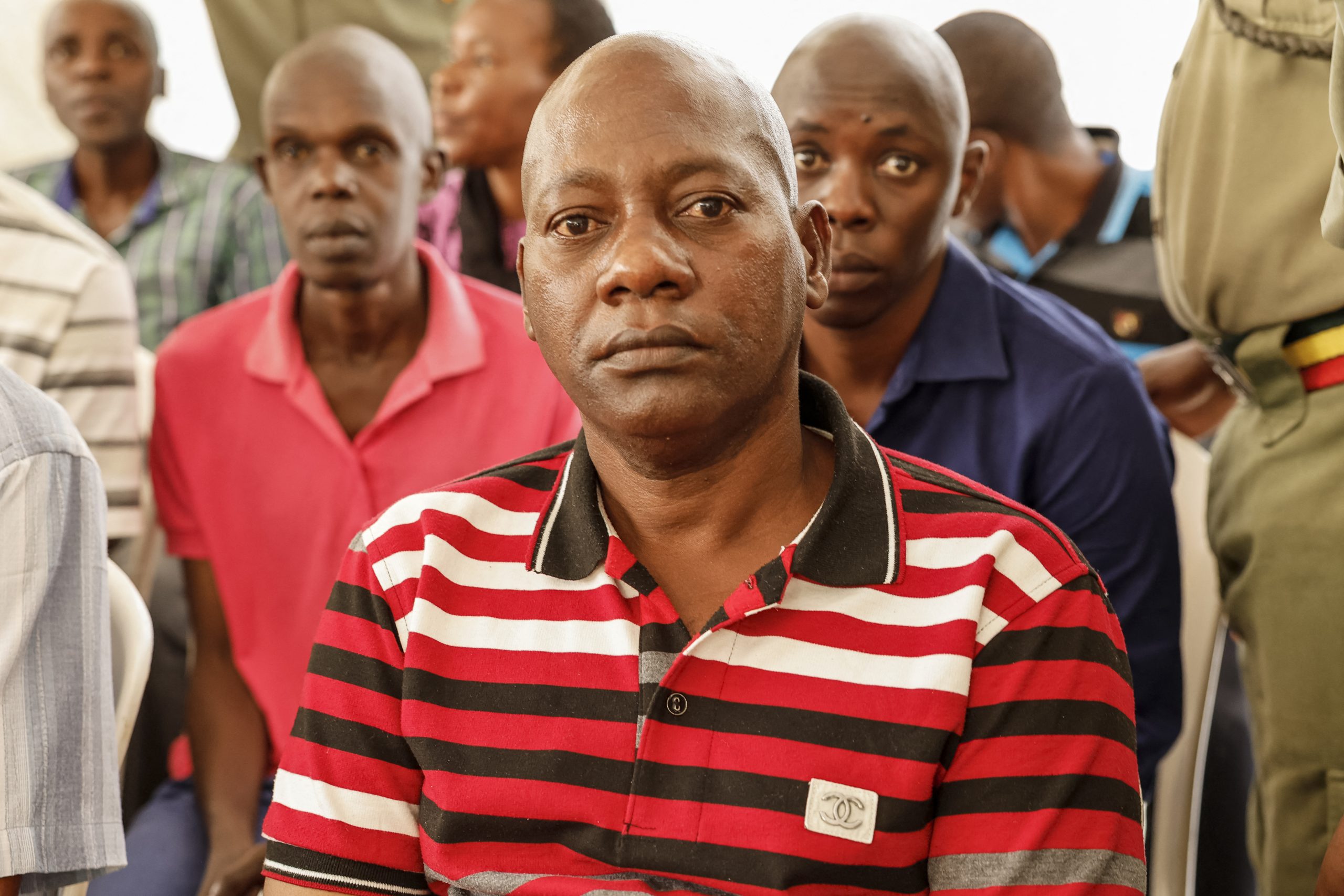
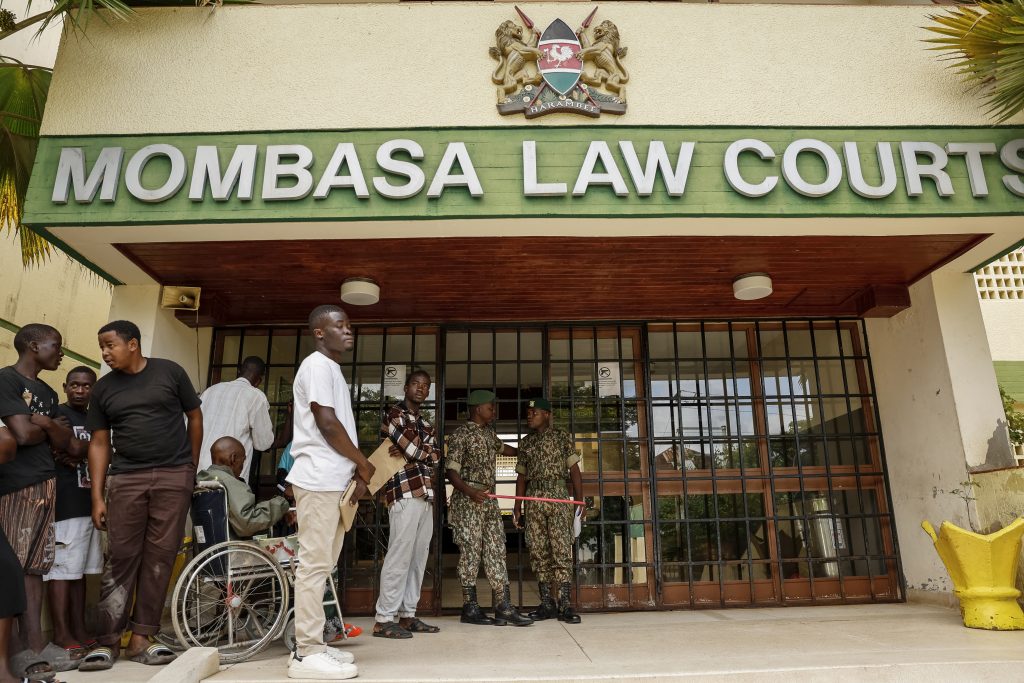
Mackenzie appeared at the Mombasa Law Courts on Monday alongside 29 other accused persons, who arrived aboard a barred-window bus and were handcuffed in pairs.
Relatives of the victims were also in court, with many travelling from rural communities along Kenya’s coast to hear the verdict.
Francis Wanje, 62, lost eight family members, including his daughter and two grandchildren, in Shakahola.
“This day, to me, is a very, very important day,” he said before the court session.
“We are expecting a ruling that will be a lesson to the whole public, so that such kinds of things will not happen again,” Wanje said, while expressing anger over what he described as the authorities’ initial failure to act.
The Shakahola deaths have triggered calls in Kenya for tighter regulation of religious organisations after it emerged that Mackenzie had previously been arrested but released.
Prosecutors allege that Mackenzie “initiated and directed” extreme fasting at his 800-acre, or 325-hectare, property in Shakahola Forest.
They say there was a “structured hierarchy of death” under which children were supposed to die first, followed by teenagers, women and then men.
According to prosecutors, post-mortem examinations and police reports showed that most of the children died from starvation, while others died from “asphyxia, neck compression and traumatic head injury”.
Mackenzie’s lawyers have challenged the prosecution’s case, arguing that it is “largely founded on circumstantial evidence, hearsay accounts and inconclusive forensic findings”.
Case exposed
Mackenzie was arrested in April 2023 after a rights group alerted authorities and some of his followers were rescued.
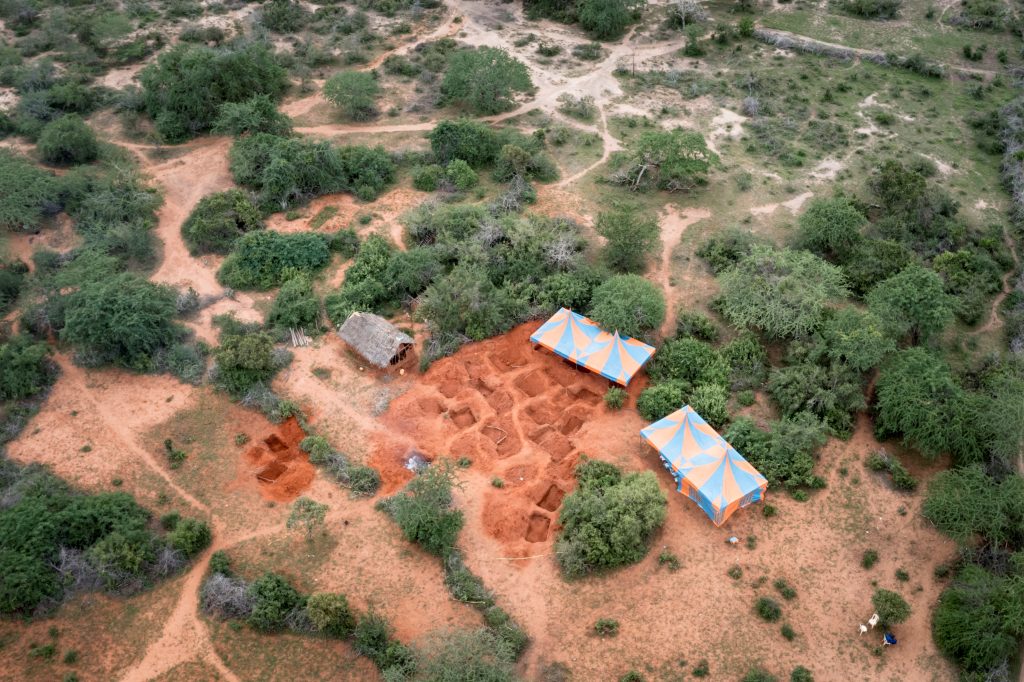
The subsequent police operation uncovered hundreds of shallow graves in Shakahola Forest. The number of bodies recovered became so high that excavations had to be temporarily suspended after local morgues ran out of space.
The Kenya National Commission on Human Rights put the death toll at 429 in 2024, with some of the victims still unidentified.
In January, Mackenzie was charged in connection with a further 52 bodies discovered at a nearby village.
Mackenzie established the Good News International Church in 2003 and set up branches in Nairobi and along Kenya’s coast, attracting thousands of followers. He later claimed the church had closed in 2019.
He had previously come to the attention of law enforcement authorities.
In 2017, Mackenzie was arrested on charges of “radicalisation” but was later acquitted.
He was arrested again in 2019 in connection with the deaths of two children at Shakahola but was released on bail.
The latest proceedings are centred on the 191 murder charges, with Mackenzie and his co-accused awaiting the court’s verdict in one of Kenya’s most closely watched criminal cases.