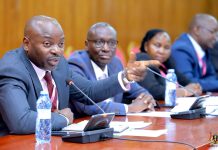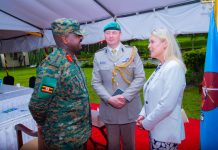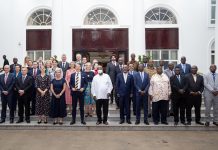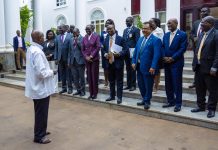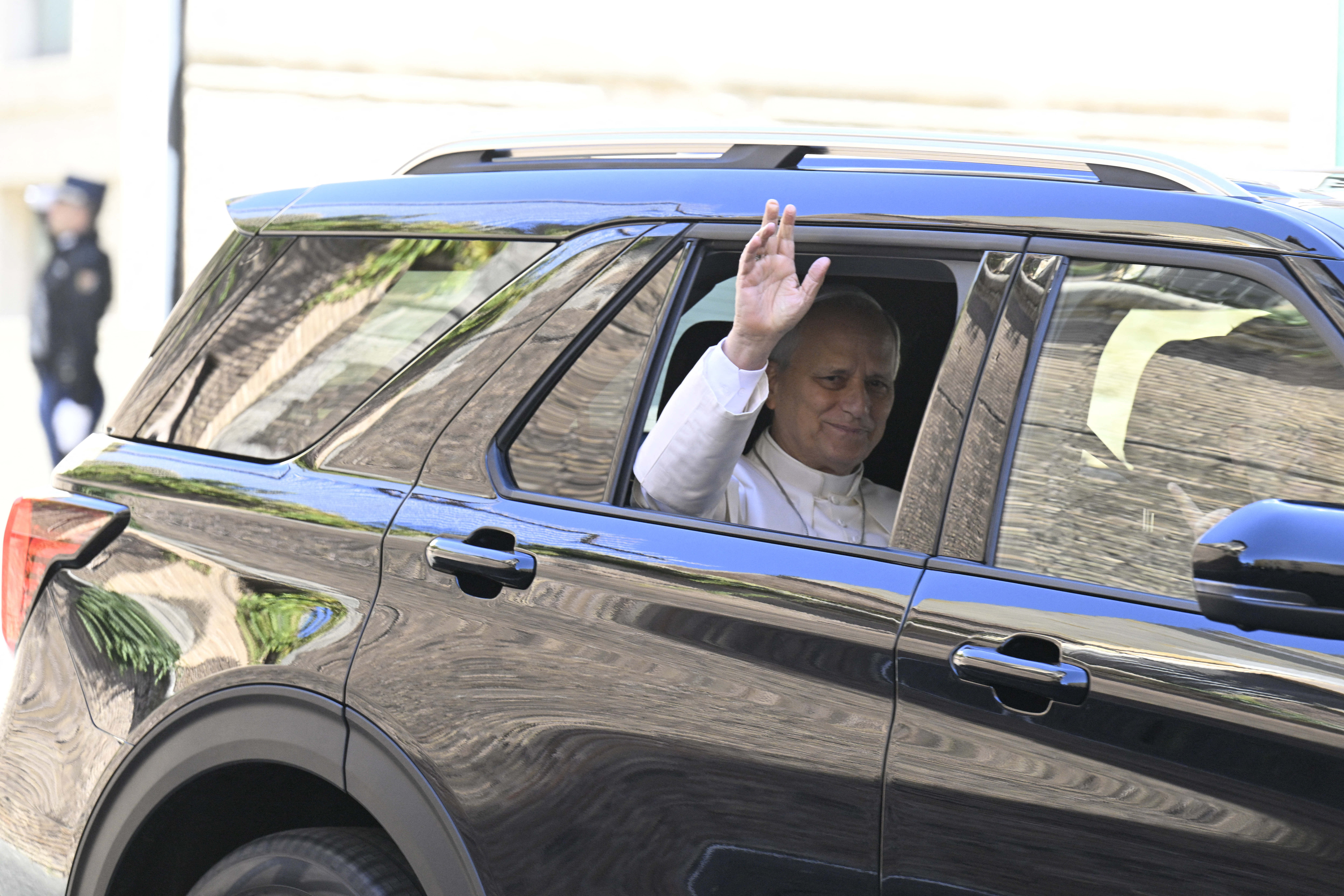
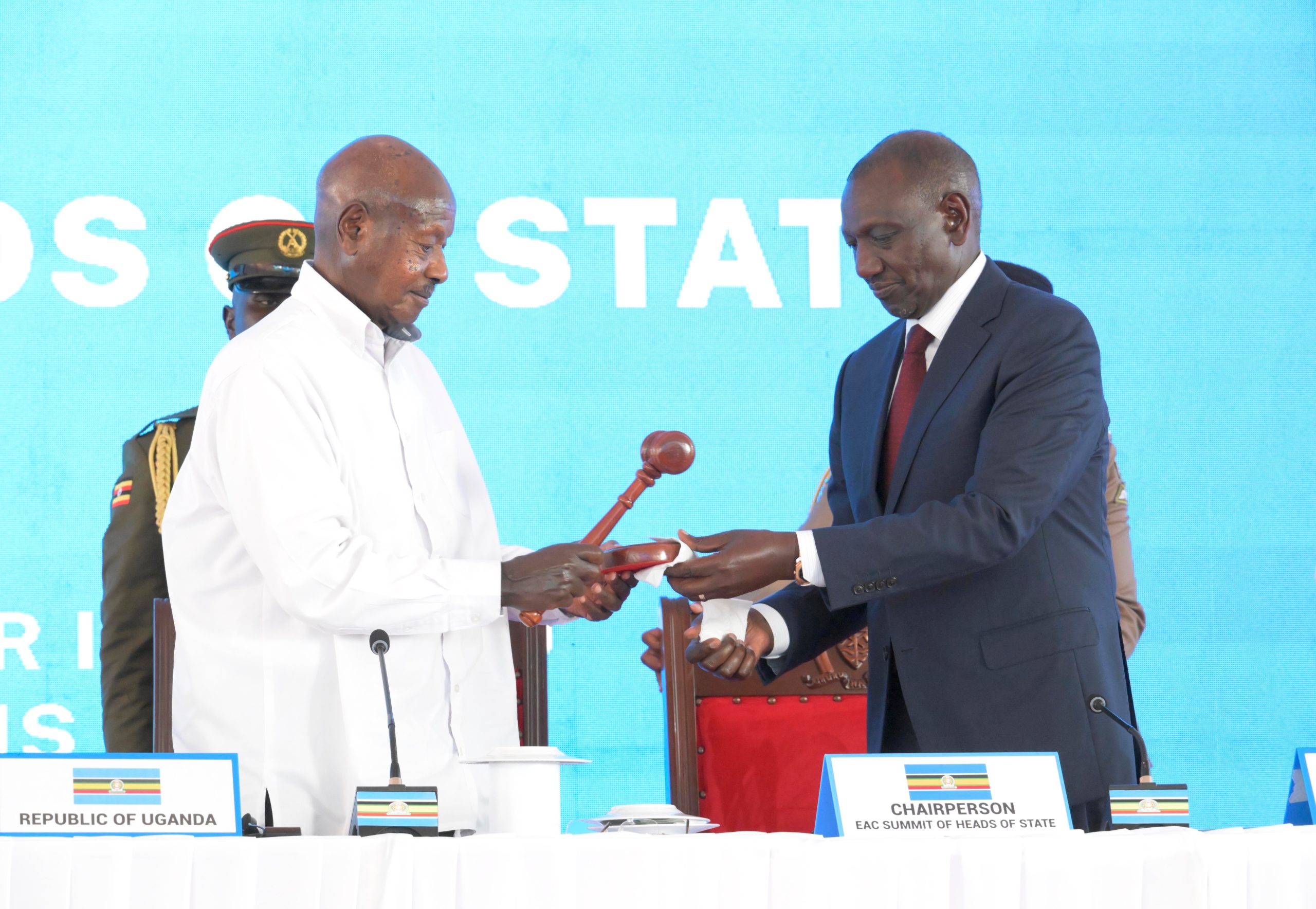
President Yoweri Kaguta Museveni has today assumed the Chairmanship of the East African Community (EAC) Summit, taking over from the outgoing Chairperson, President William Ruto of the Republic of Kenya, at the conclusion of the EAC Heads of State Summit held at the Arusha International Conference Centre.
During the Summit, Heads of State and Government also approved the appointment of Ambassador Stephen Patrick Mbundi of the United Republic of Tanzania as the new Secretary General of the East African Community.
In his remarks as the incoming Chairperson of the Summit, President Museveni thanked the leaders of the region for entrusting him with the responsibility of guiding the Community over the next year and conveyed greetings from the people of Uganda. He emphasized that East Africa stands at a critical moment in its history and urged leaders and citizens of the region to remain focused on the historic mission of Africa’s transformation.
President Museveni reflected on what he described as the challenge of “Okukonesa”, the mis-cooking of the African Revolution, a metaphor drawn from local languages describing food that fails to cook properly because the necessary heat is not applied for long enough. He cautioned that Africa must avoid repeating historical mistakes that led to colonisation and underdevelopment, stressing that weak leadership, disunity, and failure to adopt scientific and technological advancement had historically undermined the continent.
He recalled that by the year 1900, almost the entire African continent had fallen under colonial rule, largely due to divisions among African societies and the inability of leaders to respond strategically to the encroachment of foreign powers. Despite this, he noted that Africa survived because of the resilience of its people and the emergence of liberation movements across the continent and in the diaspora.
The President highlighted the historic mission of the African liberation struggle, which he said centred on four key objectives: liberation, modernisation, prosperity, and strategic security. He emphasized that the foundation for achieving these goals remains “Uhuru na Umoja” — Freedom and Unity.
According to President Museveni, while Africa has largely achieved political independence, the challenge of unity remains unfinished. He stressed that economic integration is essential to building prosperity, noting that production alone cannot create wealth unless producers have access to large markets.
He observed that Africa’s combined GDP remains relatively small compared to major global economies, arguing that fragmented markets across the continent limit economic transformation. Drawing lessons from countries such as China, India, and South Korea, he stressed that large internal markets are critical to economic growth and industrialisation.
The President therefore called on the region, particularly the youth, to focus on building productive economies, strengthening regional integration, and avoiding distractions that could undermine the long-term mission of development.
He also underscored the importance of strategic security, noting that modern states must be capable of defending themselves across all domains, land, air, sea, and space while working together to safeguard regional stability.
President Museveni paid tribute to the historic leaders who championed African unity and liberation, including Mwalimu Julius Nyerere, Sheikh Abeid Amani Karume, Kwame Nkrumah, Ahmed Sékou Touré, and Modibo Keïta, noting that their vision of African unity remains relevant today. He particularly commended Tanzania for its historic role in advancing regional integration and supporting liberation movements across the continent.
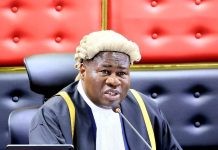
During the Summit, several key milestones were also marked. The meeting witnessed the swearing-in of judges appointed by the Summit to the East African Court of Justice, the launch of the 7th EAC Development Strategy (2026/27–2030/31), and the launch of the EAC Customs Bond, aimed at facilitating trade across the region.
The Summit also recognized regional youth excellence through the awarding of winners of the 2024 EAC Essay Writing Competition.
The Summit concluded with the presentation of the official Summit Communiqué by the EAC Secretary General, outlining key resolutions and decisions adopted by the Heads of State.
Under President Museveni’s chairmanship, the East African Community is expected to deepen regional integration, strengthen economic cooperation, and advance the collective prosperity and security of the region’s more than 300 million citizens.