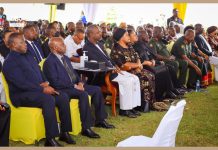

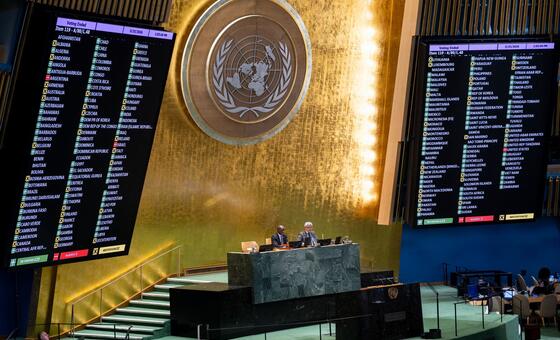
Applause filled the UN General Assembly hall as member states adopted a resolution declaring the transatlantic slave trade the gravest crime against humanity.
The resolution, spearheaded by Ghana on behalf of the African Group, was backed by 123 countries. Argentina, Israel and the United States voted against, while 52 abstained.
Call for Justice and Reparations
Presenting the resolution, Ghana’s President John Dramani Mahama said the move was a step towards truth, healing and reparative justice.
“For more than 400 years, millions of Africans were captured, enslaved and transported under brutal conditions,” he said, describing a system that reshaped global history and left lasting scars.
The resolution recognises the slave trade as a defining injustice, citing its scale, brutality and long-term impact, including persistent racial inequality and discrimination.
Divisions Over Reparations
The vote exposed divisions within the Assembly, particularly on the issue of reparations.
The United States opposed the resolution, arguing that it does not recognise a legal obligation for reparations for actions that were not considered illegal under international law at the time.
Despite this, the resolution calls for concrete steps to address historical injustices affecting Africans and people of African descent, including support for reparatory measures.
Legacy Still Felt Today
UN officials used the occasion to highlight the enduring impact of slavery on modern societies.
General Assembly President Annalena Baerbock described slavery as one of the gravest human rights violations in history, noting that African countries lost generations of people, weakening their development.
UN Secretary-General António Guterres called for action to tackle systemic racism and inequality that continue to affect people of African descent.
Push for Global Action
The resolution aligns with broader international efforts, including the Second International Decade for People of African Descent and the African Union’s Decade of Reparations.
Leaders urged countries to take stronger action to ensure equality, expand opportunities and address historical imbalances in global systems.
“No Peace Without Justice”
The debate closed with a powerful reminder of the human cost of slavery.
Barbados’ First Poet Laureate, Esther Philips, told delegates that the legacy of slavery still demands accountability.
“There can be no peace without justice, and that call is answered only when words are turned into action,” she said.
If you want, I can tighten this further for homepage or craft a TV script version with bites and cues.