By Nasir Lubwama
The Judiciary and the Uganda Police Force are seeking closer coordination to address case backlog and improve the administration of justice.
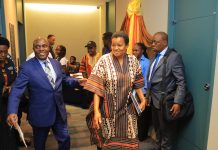
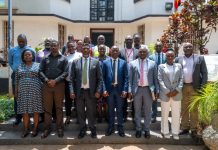
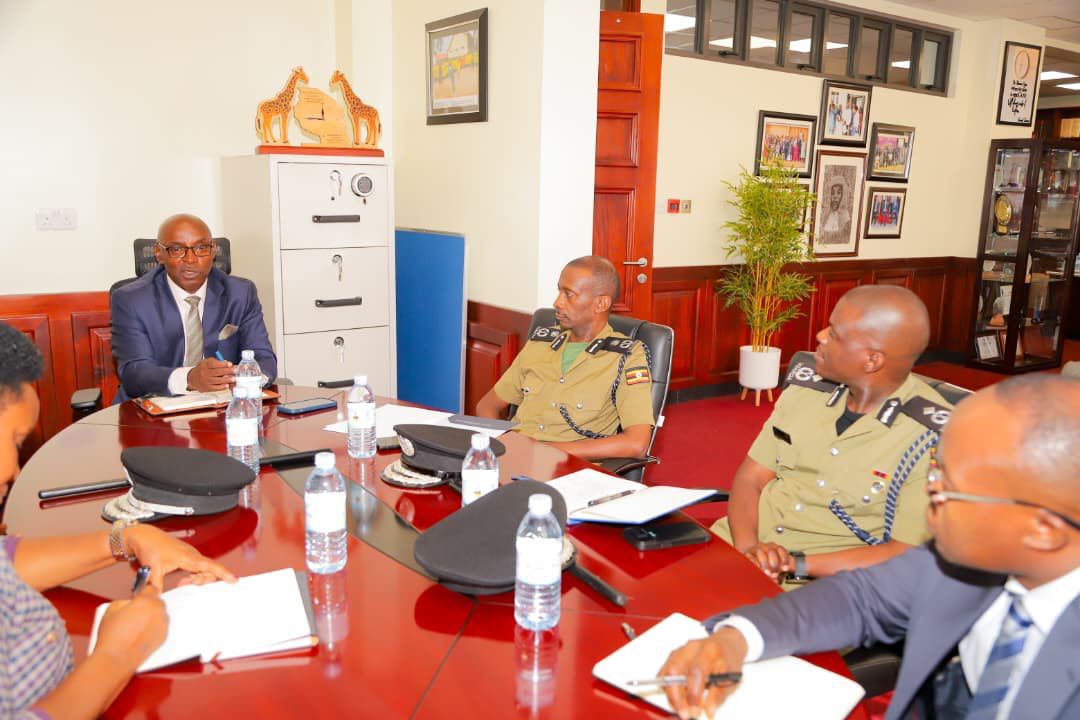
This followed a meeting at the Supreme Court in Kampala where a police delegation led by Deputy Inspector General of Police James Ocaya paid a courtesy call on Chief Justice Dr Flavian Zeija.
The delegation included AIGP Erasmus Twaruhukwa, SCP Beata Chelimo and ACP Andrew Mubiru.
Speaking during the meeting, Chief Justice Zeija said effective justice delivery depends on strong coordination between investigators and the courts, noting that criminal cases begin with police work.
He said gaps remain in information sharing, especially intelligence from CID, which limits oversight and accountability within the justice system.
To address this, the Chief Justice proposed regular engagements between the Judiciary, CID, forensic teams and research units to review challenges and improve coordination.
He also raised concern over funding constraints affecting both institutions, saying delays in budget approvals have at times slowed operations. He noted that stop-gap measures, including using Judiciary funds to support some police activities such as witness handling, are not sustainable.
The Chief Justice revealed that the Judiciary’s budget has been reduced by Shs2 billion this financial year, warning of the impact on justice delivery.
He also pointed to operational challenges, including limited police vehicles for court duties and constraints in emergency procurement, suggesting better use of available resources within the system.
Despite the challenges, he commended the Police for improving capacity, particularly in forensic and tracking capabilities, which he said has helped reduce crime.
On his part, Deputy IGP Ocaya congratulated Zeija on his appointment and said the Police is committed to strengthening ties with the Judiciary.
He said findings from the latest Police annual crime report show that case backlog remains a major challenge, partly due to poor coordination between police case files and court schedules.
Ocaya also raised concerns about reduced funding for CID training, warning that it is affecting the quality and speed of investigations.
Both sides agreed on the need for closer collaboration to improve efficiency across the justice chain.