By Tumwine Byaruhanga
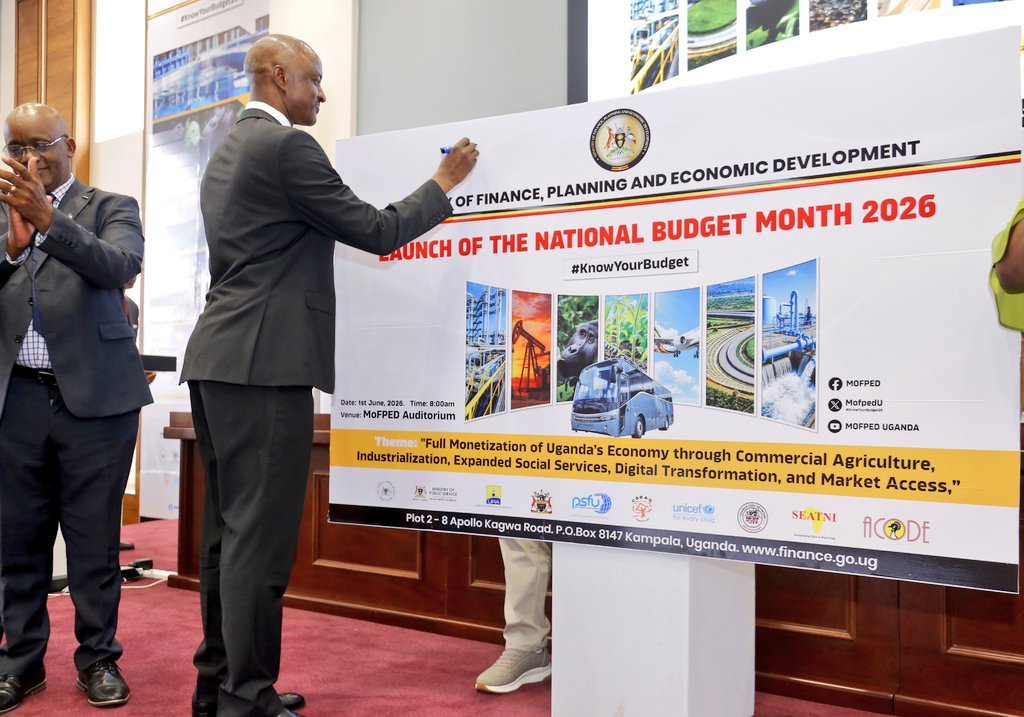
The Ministry of Finance, Planning and Economic Development has launched the National Budget Month for the Financial Year 2026/27, turning attention from budget approval to how public funds will be spent, monitored and accounted for across government.
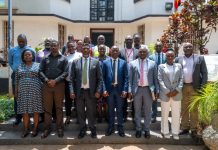
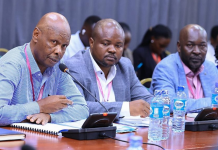
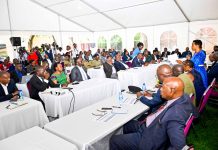
The launch, held at the Ministry’s Conference Hall in Kampala, was presided over by the Permanent Secretary and Secretary to the Treasury, Dr. Ramathan Ggoobi, who said the exercise is intended to deepen transparency, strengthen accountability and bring citizens closer to the national budget process.
The FY 2026/27 Budget, passed by Parliament on April 24, 2026, is anchored on the theme, “Full Monetization of Uganda’s Economy through Commercial Agriculture, Industrialization, Expanding and Broadening Services, Digital Transformation and Market Access.”
Dr. Ggoobi said the budget was developed through a broad consultative process involving President Yoweri Museveni, Cabinet, Parliament, Ministries, Departments and Agencies, local governments, civil society organisations, development partners, the private sector, academia, community leaders, youth and women groups, persons with disabilities, and citizens across the country.
He noted that while the budget sets out government’s spending priorities for the new financial year, its real impact will depend on implementation, monitoring and public oversight.
“The National Budget Month provides an important platform for Government to account to citizens on achievements registered during the current financial year, communicate opportunities available in the new budget, and obtain feedback that informs future planning and policy decisions,” Dr. Ggoobi said.
The Budget Month will include public dialogues, media engagements, publications, social media campaigns and community outreach activities aimed at explaining government priorities, available opportunities and the role of citizens in tracking service delivery.
Introduced in 2018, the National Budget Month has become one of government’s key public finance management platforms, bringing together state institutions, civil society, development partners, the private sector and citizens to discuss budget priorities and accountability.
Dr. Ggoobi said the initiative has helped improve public ownership of the national budget, increased awareness of government programmes and strengthened Uganda’s performance in international budget transparency assessments.
According to the latest Open Budget Survey, Uganda’s budget transparency score improved from 58 percent in 2021 to 59 percent in 2023, above the global average of 45 percent. Budget oversight also improved from 59 percent to 67 percent over the same period, higher than the global average of 52 percent.
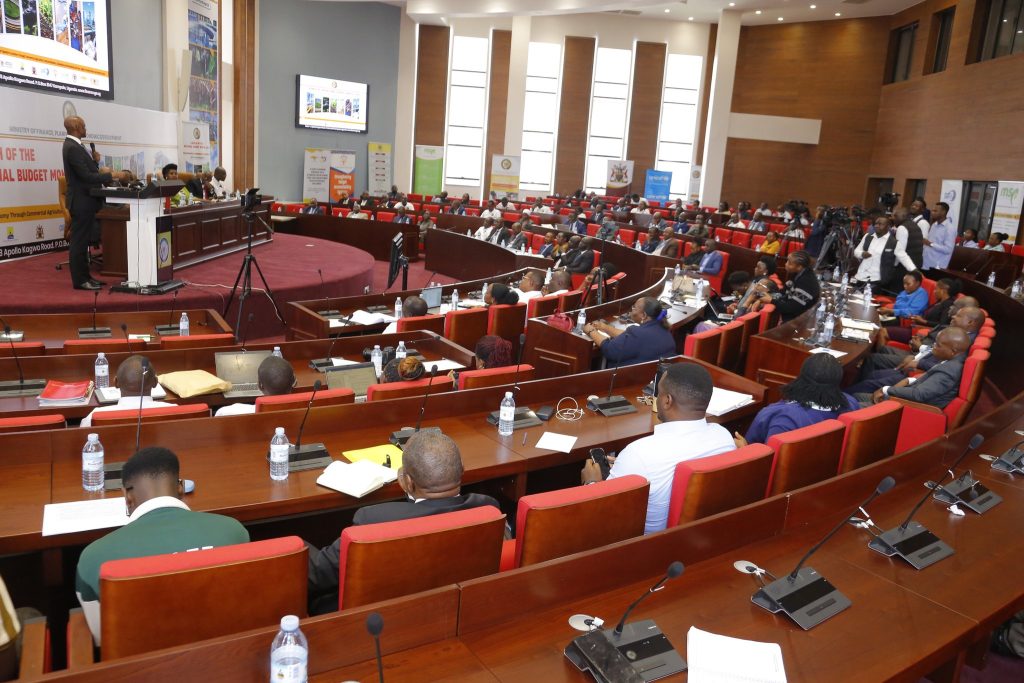
The Permanent Secretary, however, said public participation still needs to be strengthened, especially in ensuring that citizens do not only receive information, but also actively question, track and influence budget decisions.
He expressed optimism that the ongoing reforms and citizen engagement efforts will improve Uganda’s performance in the 2025 Open Budget Survey.
Dr. Ggoobi commended Budget Transparency and Accountability Partners, including CSBAG, ACODE, Uganda Debt Network, UNICEF Uganda, SEATINI Uganda, Uganda Revenue Authority and the Private Sector Foundation Uganda, for supporting budget literacy, citizen engagement and accountability initiatives.
The Ministry reaffirmed government’s commitment to working with stakeholders to promote openness, transparency and accountability in the management of public resources.
Dr. Ggoobi officially launched the National Budget Month activities for FY 2026/27 and called on citizens, institutions and development partners to take part in the engagements, saying effective budget implementation will be central to Uganda’s growth, service delivery and broader development agenda.