By David Mwanje
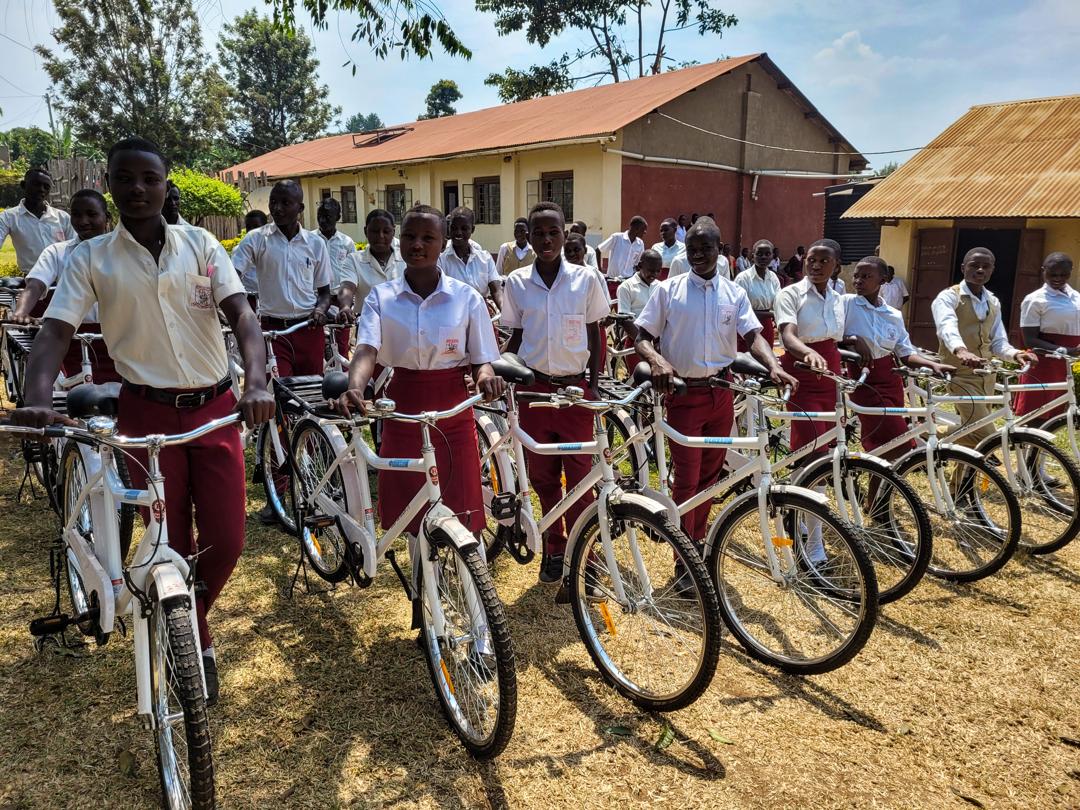
Hundreds of learners in Kamuli, Kyegegwa and Adjumani are receiving bicycles under a school transport programme aimed at reducing long daily walks to class.
The WeLearn WeTeach Bicycle Empowerment Programme has so far delivered 728 bicycles to 14 secondary schools in the three districts.
The programme is being implemented by CooP Uganda in partnership with Enabel, the Ministry of Education and Sports, the European Union and Belgium.
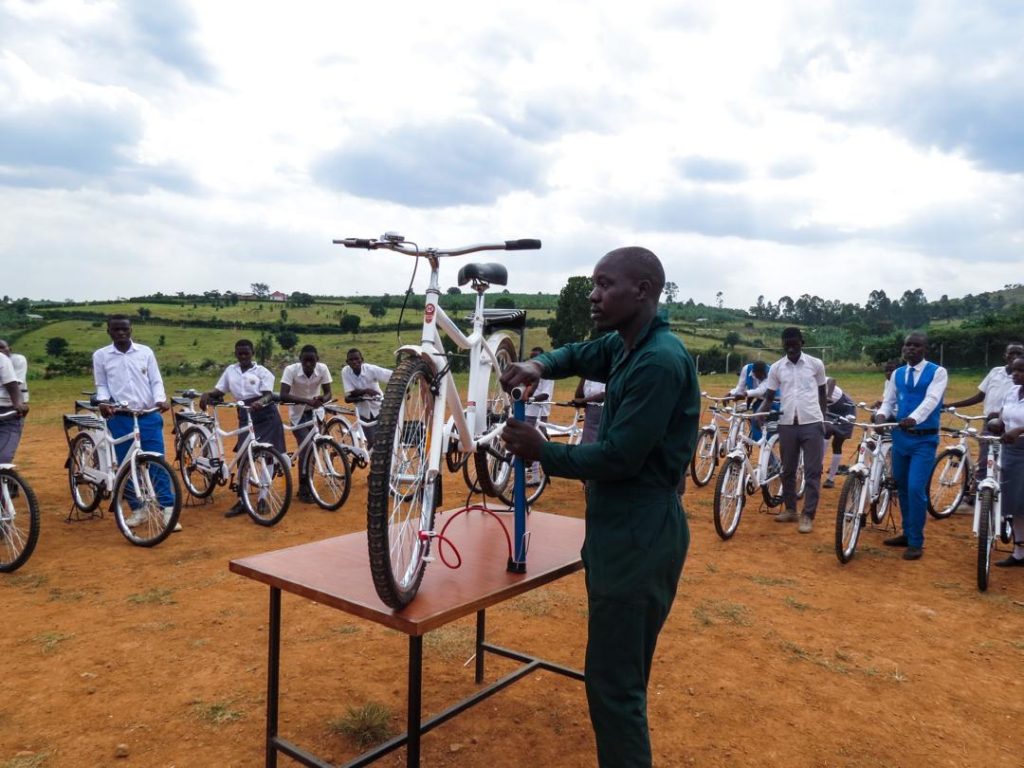
In the latest phase, 458 bicycles were handed over to nine secondary schools in Kamuli and Kyegegwa. Kyegegwa received 208 bicycles for four schools, while Kamuli received 250 bicycles for five schools. The schools also received spare bicycles, toolkits, pumps and repair equipment.
For many learners in remote villages, the journey to school involves walking between five and 15 kilometres each day. School authorities say the distance contributes to late reporting, absenteeism and dropout, with girls facing additional safety concerns along the way.
CooP Uganda General Manager Kabaale Edgar said the bicycles are intended to address a practical barrier that keeps many learners away from school.
“A bicycle may look simple, but for many learners it means arriving at school on time, attending classes consistently and staying in school longer. This programme is about dignity, opportunity and keeping education within reach,” he said.
The beneficiary schools in Kyegegwa are Rwentuha Seed Secondary School, Mpara Secondary School, Kakabara Secondary School and Kibuye Secondary School.
In Kamuli, the bicycles were distributed to Namasagali College, St John Bosco Secondary School, St Paul Secondary School Mbulamuti, Bulopa Secondary School and Luzinga Secondary School.
The schools have also set up bicycle management committees to oversee allocation, maintenance and accountability. Learners have received training in road safety, basic riding and bicycle maintenance, while cycling clubs have been introduced to promote responsible use.
Enabel Project Manager Joeri Leysen said community involvement is central to the programme, especially in addressing attitudes towards girls cycling.
“We engaged communities directly on cultural attitudes around girls cycling because lasting impact only comes when communities support the solution. Better transport for girls means better attendance, improved safety and stronger chances of completing school,” he said.
The programme encourages schools to allocate at least 40 percent of the bicycles to girls as part of efforts to improve attendance and retention.
Researchers are also tracking the effect of the bicycles on punctuality, attendance, retention, safety and academic performance. The findings are expected to inform future discussions on school transport in Uganda.
The programme has now moved to Adjumani, where 260 bicycles are being distributed to learners at Pagirinya Secondary School, Adjumani Secondary School, Dzaipi Secondary School, Lewa Secondary School and Ofua Seed Secondary School.
In Adjumani, school management committees are being trained to manage the bicycle fleet, while learners are taking part in cycling and maintenance sessions. Five local mechanics are also being trained to provide repair services in the district.
The programme targets one of the common but often overlooked barriers to education in rural areas: the distance between home and school.