By Mwanje Gideon
For weeks, my sister’s home was clouded by a quiet, heavy anxiety. Her daughter, just months away from stepping into her final primary school year in P7, was visibly stressed. She wasn’t losing sleep over an upcoming PLE mock exam; she was terrified of being left behind. The school had announced a study tour and slapped a price tag of 150,000 shillings on it.
To the school administration, 150,000 shillings might have seemed like a standard line item on a circular. But to a mother calculating rent, school fees, and food, that amount felt deeply unfair, a steep premium for a single day’s excursion.
I understood that my sister didn’t want her daughter to carry the emotional scar of exclusion, to be the one child left behind sitting in an empty classroom while her peers went out to see the world, but she had to look into her pockets too!
Study tours and field trips are beautiful, essential milestones. They are where children first taste independence, see geography leap out of textbooks, and learn how big the world is. But right now, without strict regulations, these trips have transformed from spaces of wonder into terrifying gambles, accidents and stress for parents. We cannot leave the safety of our children to individual school discretion anymore. I write this article in grief of the deaths of the pupils of King David Primary school, may their souls rest in peace! Such young children who untimely met their kismet.
The tragic realities on our roads have exposed a brutal truth: too many school buses are structural illusions. They are brightly painted on the outside, gleaming with school colors and logos, but completely dead inside. Their engines are strained, their brake pads worn thin, and their chassis pushed far past their mechanical limits.
Where is the problem ? When a school plans a trip, they often look for the lowest bidder. This brings a deadly combination to the driver’s seat.
Look at these inexperienced Drivers. Operating a massive bus across hundreds of kilometers climbing steep hills or navigating sharp, rural bends requires highly specialized heavy-vehicle experience. Unfortunately, temporary or low-cost drivers are routinely hired who have only driven short, flat urban routes.
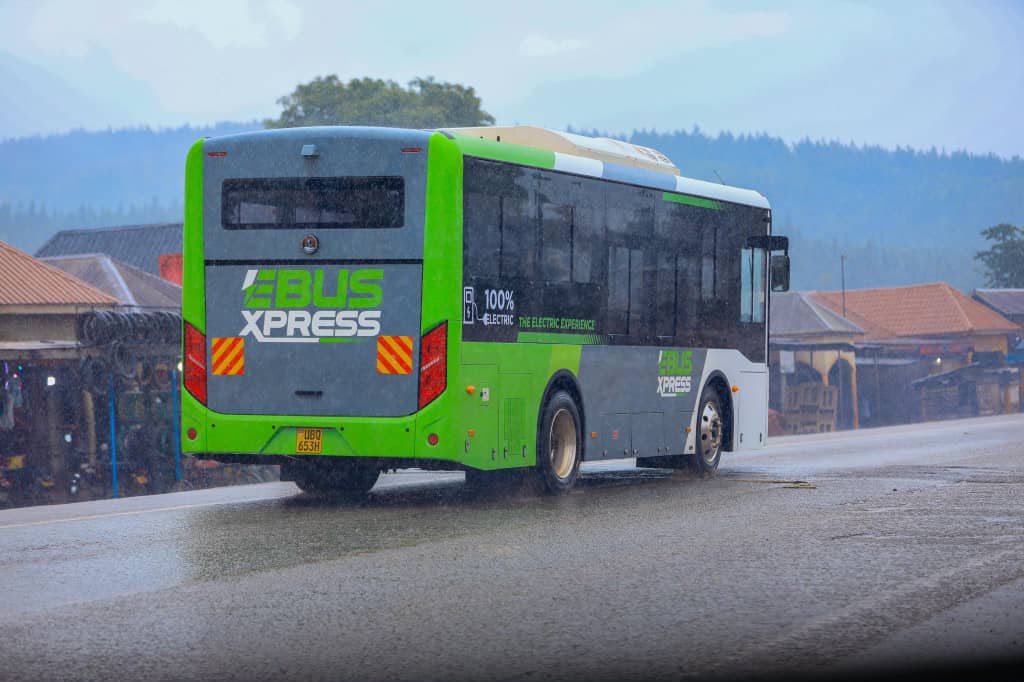
We need to treat student transportation with the same gravity as civil aviation. Safety cannot be an option a school chooses to afford; it must be a baseline statutory requirement. Can’t we give school buses a free way as we do to the ministers?, I should remind you that these are the leaders of tomorrow. To safeguard our children, the Ministry of Education and the Ministry of Works and Transport must embrace new technology of E-buses and furthermore allow School Buses free ways.
As we redesign school transport safety, we have a golden opportunity to leap forward technologically. The emergence of locally manufactured electric buses such as the Kayoola electric vehicles produced by Kiira Motors Corporation presents a massive safety and economic upgrade over traditional fuel-powered buses.
Schools across Kampala, like Kololo Senior Secondary School, have already begun pioneering smart electric transport solutions. It is time to scale this vision nationwide for school excursions.
Electric school buses are inherently safer because their electronic systems allow for seamless integration of smart safety technology, real-time tracking, and automated speed limits. Furthermore, because they cost significantly less to run per kilometer, adopting e-vehicles would fundamentally drive down the cost of these tours. My sister wouldn’t have to face an unfair 150,000-shilling fee, and her daughter wouldn’t have to face the stress of being left behind. e-buses are driven by experts which solves the problem of inexperienced drivers. I understand accidents are “sudden happenings” but some are foreseeable, we just waive our concerns.
We can no longer afford to wake up to the news of mangled metal and shattered young dreams. Policy guidelines that change with the wind are not enough; we need robust, unyielding statutory laws that govern student mobility.
The government must heavily incentivize schools to transition their fleets to locally built electric buses while imposing immediate, uncompromising penalties on any institution that puts an uncertified vehicle or an unverified driver on the road. Let us invest in the future of our children by making their safety non-negotiable.
For God and my Country.
The author is a legal scholar at the Law Development Centre, Kampala.