The Government has unveiled a six-month response plan aimed at strengthening ongoing food relief efforts while addressing the underlying causes of recurrent food shortages in the Karamoja sub-region.
The plan brings together immediate humanitarian interventions and longer-term measures designed to strengthen food security, improve livelihoods and build resilience among communities across Karamoja.
It is anchored on six key pillars: coordination, logistics, data and early warning; food assistance, cash and markets; nutrition, health, mortality, water, sanitation and hygiene; agriculture, livestock and livelihoods; education and school meals; and governance, cross-border peace-building and protection.
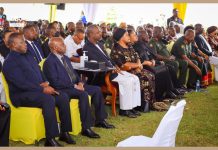
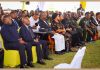
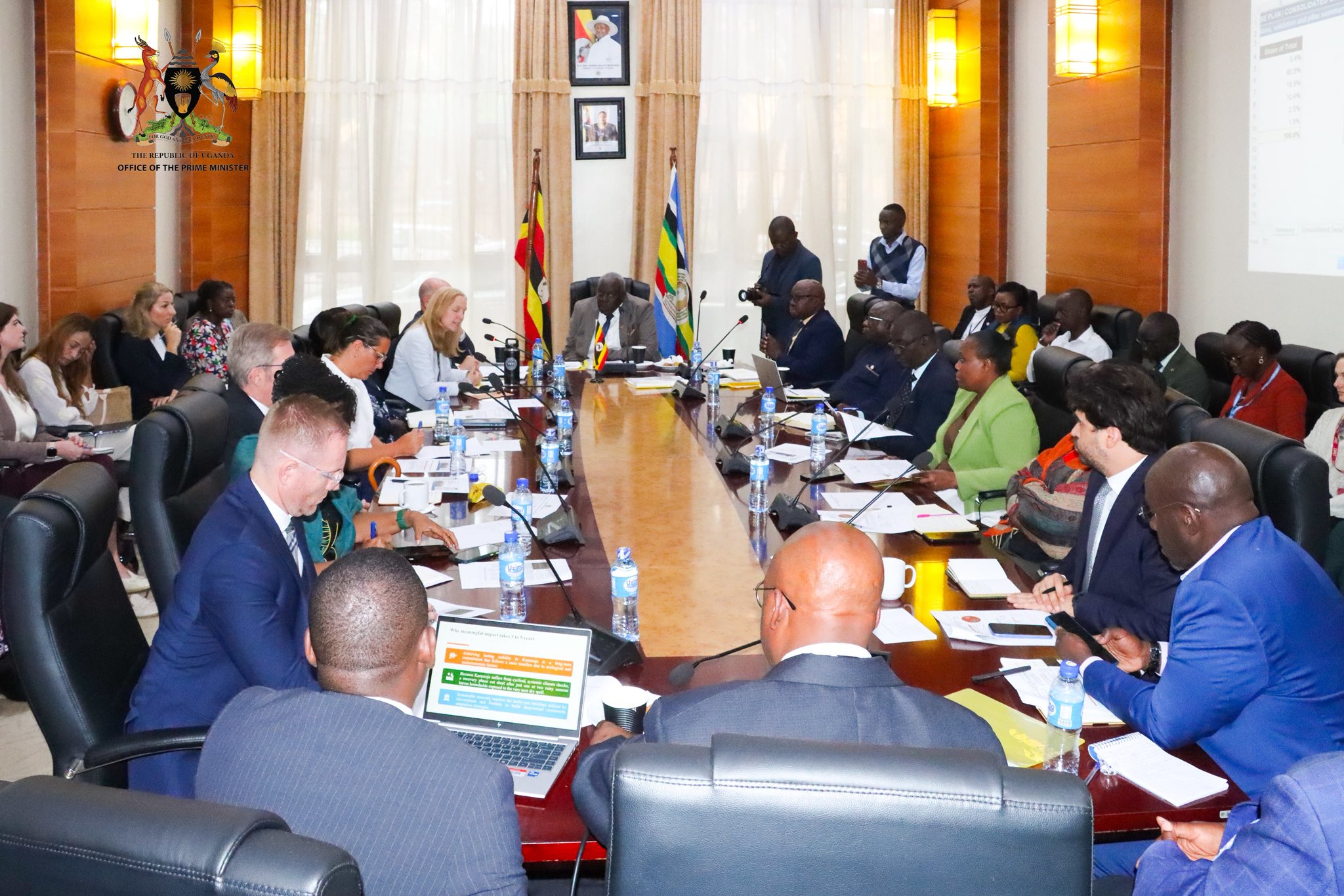
The plan was unveiled during a follow-up meeting with the Karamoja Development Partners Group, chaired by the Minister for Relief, Disaster Preparedness and Refugees, Hon. Sam Engola, on behalf of Prime Minister Robinah Nabbanja.
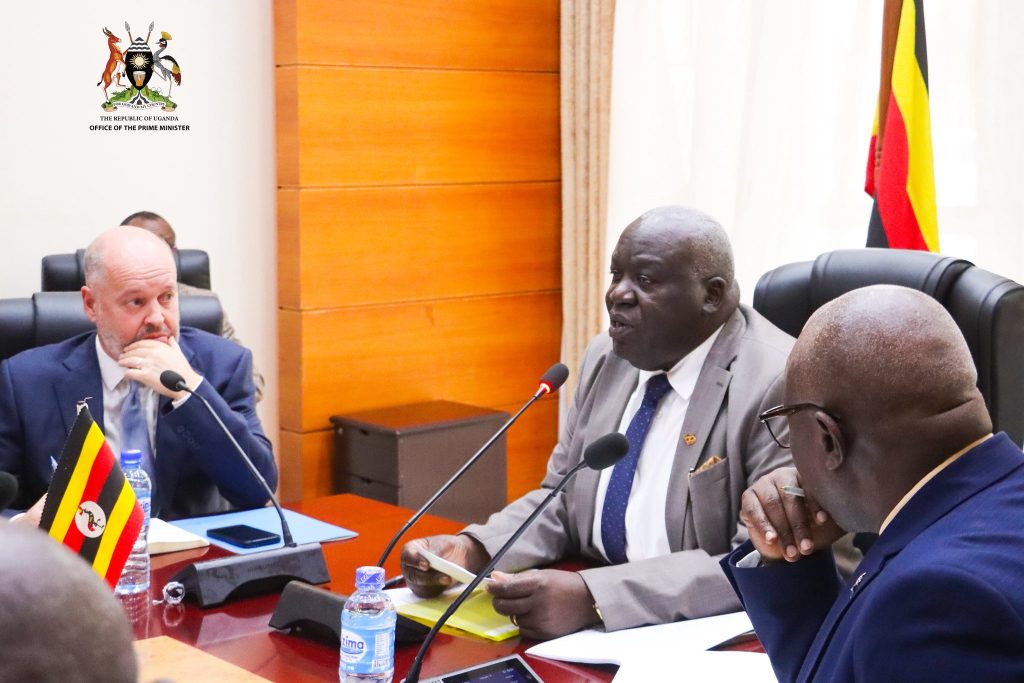
The meeting provided a platform for the Government and development partners to coordinate interventions and strengthen their collective response to food insecurity and other challenges affecting communities in the region.
Through the six-month plan, the Government seeks to build on ongoing food relief distribution while strengthening early warning systems, improving access to nutrition and essential services, supporting agriculture and livestock production, and protecting livelihoods.
The strategy also places emphasis on education and school feeding programmes, alongside governance, peace-building and protection initiatives, recognising the interconnected challenges that contribute to vulnerability and food insecurity in Karamoja.
The response plan is expected to enhance coordination between government agencies and development partners while balancing immediate humanitarian needs with sustainable interventions aimed at reducing recurrent food shortages and strengthening resilience in the region.